

The rise of microdramas raises the question:
Was Quibi right all along?
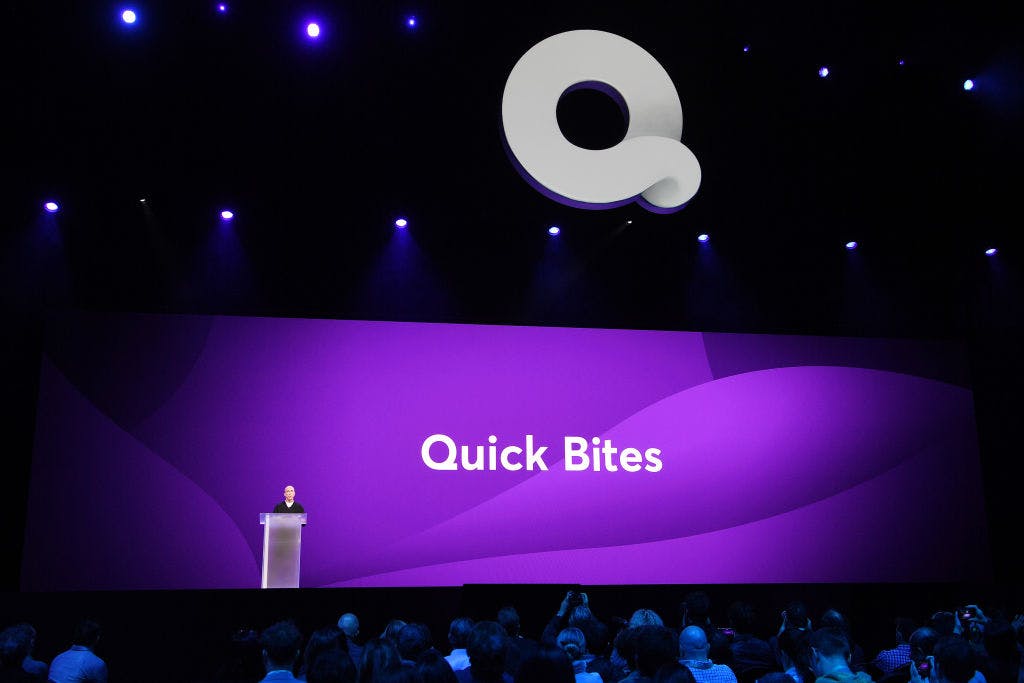
Jeffrey Katzenberg might have just made his bet on short-form stories a little early
Mobile-first, minutes-long scripted content is blowing up around the world.
The continued rise of microdramas — filmed specifically for phone screens, often a mere two minutes long, and typically action-packed — suggests that more people are looking to bite-sized, TikTok-ified vertical versions of longer content to keep themselves entertained in 2025.
Long on short
The genre sees feature-length scripted dramas chopped into short-form episodes and has boomed in China recently, with microdramas generating $6.9 billion in revenue last year, outweighing the domestic box office for the first time, a Shenzhen-based research company found. Now, the rest of the world is starting to catch up, and the US is one of the countries leading the charge.
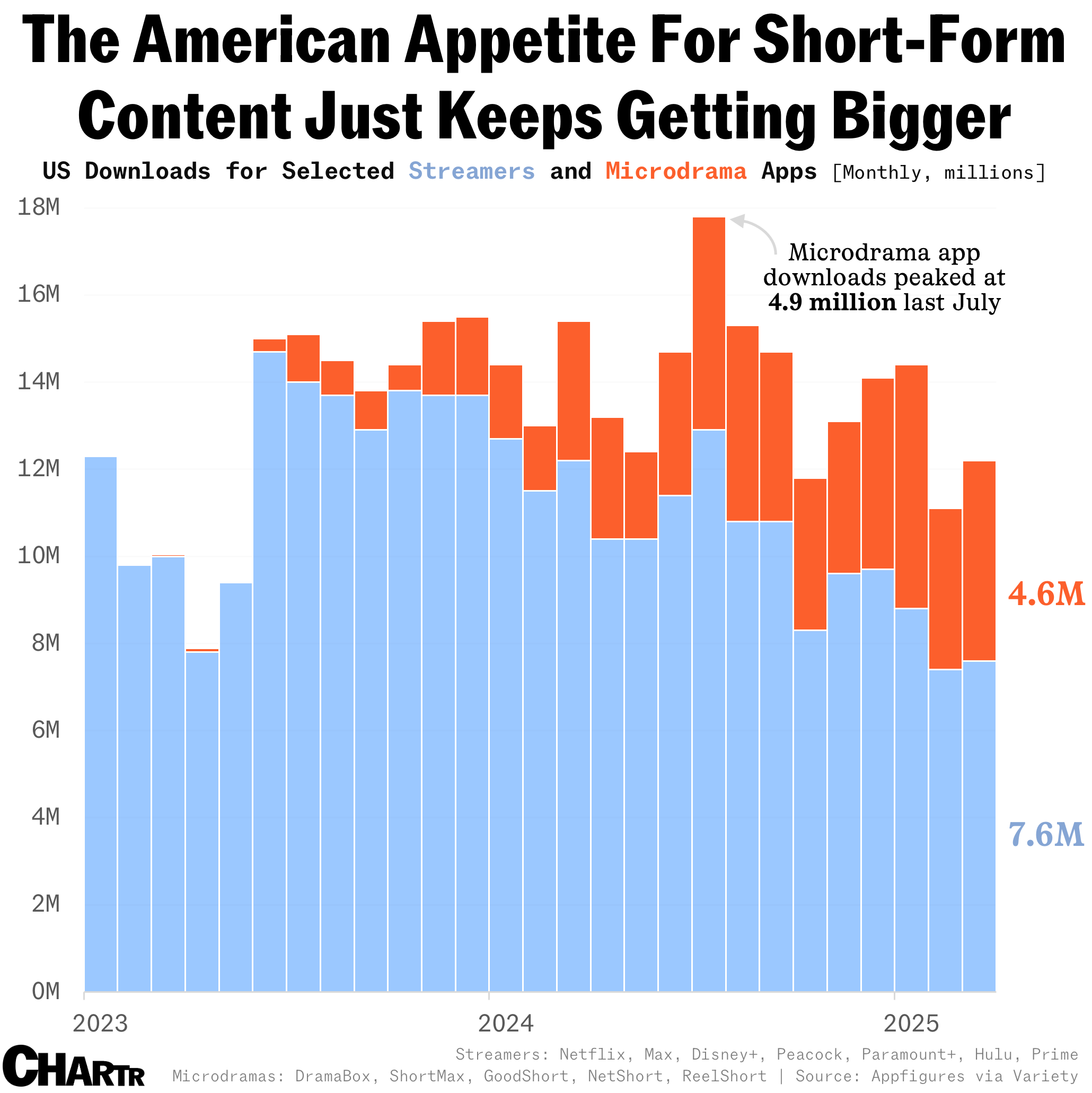
Apps from giants like Netflix, Disney, Paramount, and others still rack up more downloads than microdrama apps like ShortMax, ReelShort, and DramaBox. However, the gulf between the two genres is closing in the US, according to data from Appfigures reported in a Variety piece by Robert Steiner on the burgeoning format.
In March 2023, for instance, microdrama apps notched just 43,000 downloads in America. This March, they clocked 4.6 million. That’s growth of 10,600% for anyone keeping score, as series like “Accidentally Pregnant, Forever Spoiled,” “Unwanted True Mate,” and “Fated To My Cruel CEO” have registered hundreds of millions of views between them as audiences return to get a quick fix of thrilling (regularly romantic) drama.
Most of the apps end up landing somewhere between a traditional VOD library and a TikTok-ish feed of constant clips designed to maximize the amount of screen time they can grab from users, resulting in a modern mix that feels as reflective of current tastes and scrolling sensibilities as it does cynical. Interestingly, 33% of Americans reported learning about microdramas through TikTok, according to a survey commissioned last year by the social platform.
The inescapably 2025 feel that many of the platforms now employ might go some way in explaining the failure of one of the most infamous, and most ill-fated, players in the short-form media landscape of recent years: Quibi.
The “Q” word
Sure, Quibi didn’t deal solely in fiction — it boasted current affairs offerings from the BBC and reality shows hosted by Chrissy Teigen and Chance the Rapper — but chopping up movies and longer serials into sub-10-minute episodes certainly makes it a pretty good proxy for a lot of the apps that are exploding across the US today. And, like the platforms that have come since, it really could have been a success.
Founded by venerated media mogul Jeffrey Katzenberg, with almost $2 billion raised before it launched and a host of A-listers in tow, Quibi (a portmanteau of “quick” and “bites”) promised to revolutionize how we consume entertainment and serve a generation uncatered for by traditional television giants.
Quibi was, if only for a brief moment, a genuinely exciting property in Hollywood that was trying to do something different. That something might have mainly been to contribute to our increasingly shortened attention spans, but it was still new.
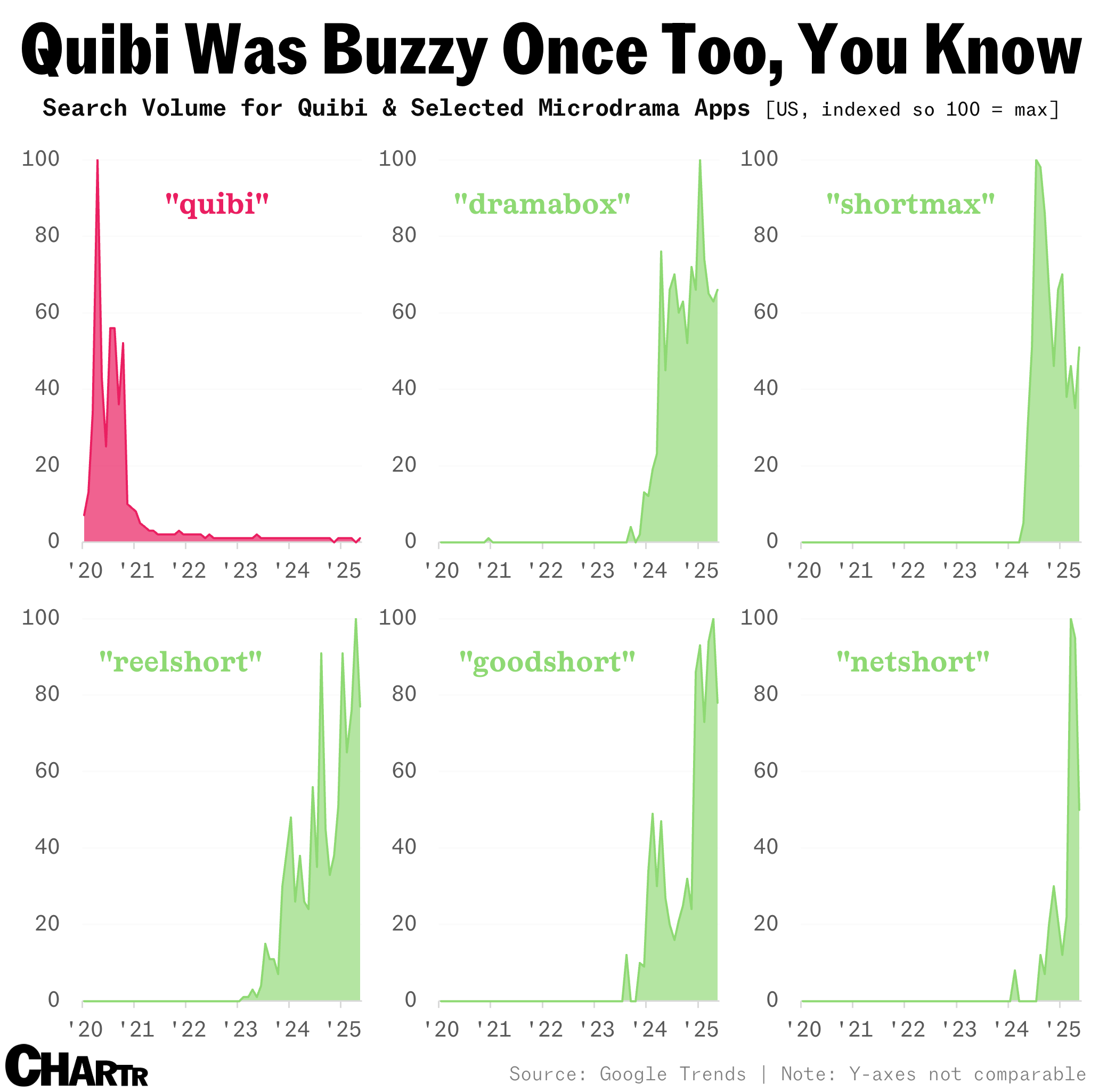
Guess you guys aren’t ready for that yet…
Despite its much-hyped launch, the platform soon became a punchline — The Atlantic described it as a “vast wasteland” five days after it landed — and is now often referenced as a cautionary tale for new media companies overreaching and under-delivering. Quibi’s widely mocked shows failed to attract subscribers and the venture was shut down just six months after going live in April 2020. (For balance, I watched upward of 10 minutes of offerings like “Fated To My Cruel CEO” and can confirm that microdramas still have issues with dialogue, plot points, and other fundamental components of the second half of the genre’s name.)
Putting aside the quality issues and a host of other problems that blighted the company, you do slightly wonder if Quibi wasn’t also a victim of its own prematurity. In 2025, with the format looking more popular than ever, could it be that Katzenberg and co. just showed up to the short-form drama fest a few years too early? And, perhaps, with just too many resources?
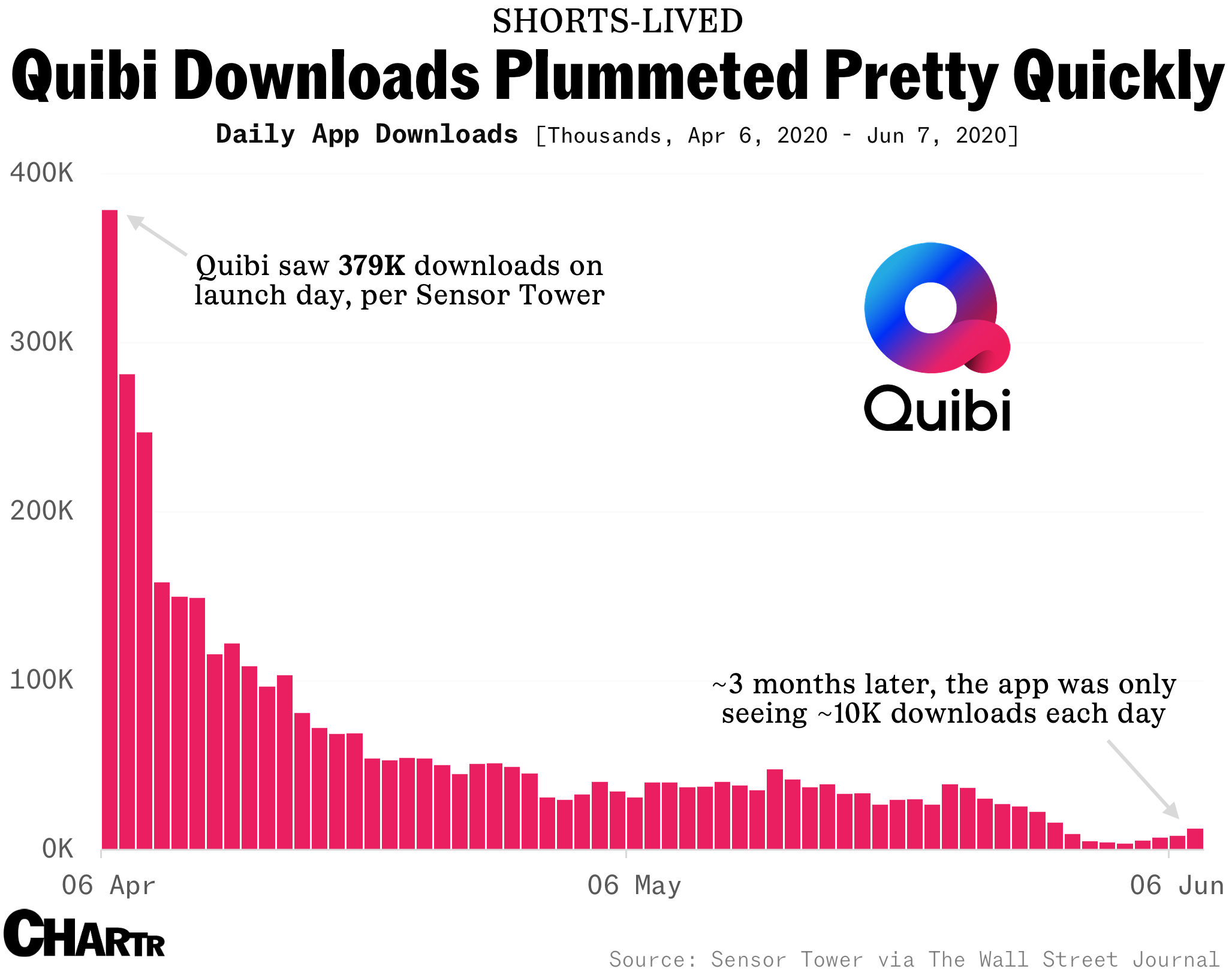
The app got off to a relatively promising start: downloads hit 379,000 on launch day and they’d exceeded the 2 million mark two weeks in, per Sensor Tower figures. The buzz soon subsided, though, as Katzenberg’s initial vision for the app as filling life’s “in-between moments,” like sitting on public transport or waiting in line for coffee, began to clash against the increasingly shuttered backdrop of the early pandemic.
By the end of its third (and final) quarter, Quibi had just 710,000 subscriber households, according to Kantar figures reported by Engadget — some way off the 7 million paying subs it had projected in its first year. Compare that to the growth of many of the biggest streamers in the pandemic era, when millions of us binged-watched box set after box set, and its failure to live up to its potential looks even more stark.
If it were launching today, Quibi may also have learned a few tricks from its competition on how to structure its business model. ReelShort, for example, uses a virtual currency system, which users can spend to unlock more episodes. The theory presumably being, once you’re hooked on a show, you’re a lot more willing to cough up to see what happens next.
Admittedly, there’s no way of knowing whether some version of Quibi five years down the line would have fared any better. However, with TikTok clearly a bigger US funnel for microdramas (for now), more people than ever getting interested in the genre, and many more of those “in-between moments” to fill, it’s not too tricky to imagine Quibi getting a warmer reception in 2025.
Still, as the old saying goes in the stock market: being early is the same as being wrong.