

Mammoth de-extinction becomes a $10B biz as gene editing gets buzzy
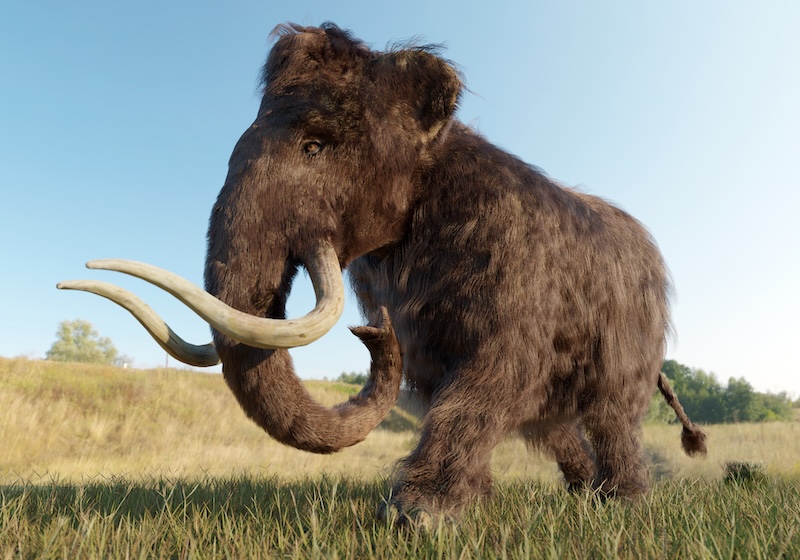
Woolier heads prevail… Turns out, making people believe in the magic of “Jurassic Park” is pretty lucrative. De-extinction startup Colossal Biosciences, which aims to revive the woolly mammoth, the dodo, and the Tasmanian tiger, said yesterday that it had raised $200M at a $10.2B valuation (6x what it was worth two years ago). The company uses gene-editing tech including CRISPR to try to reproduce relatives of long-lost organisms.
#Goals: Colossal said it's on track to produce a woolly-mammoth calf (well, a gene-edited Asian elephant relative) by 2028. Investors include the CIA’s investment arm, In-Q-Tel, and Paris Hilton.
Beyond dodos: Colossal’s de-extinction efforts have led to advancements like an elephant vaccine and cellular work that could genetically improve threatened animals’ resistance to toxins.
One mammoth step for humankind… Colossal isn’t alone in its high hopes for gene-editing’s potential applications. CRISPR and similar tools are being used for everything from agriculture (making sweeter tomatoes) to medicine (fighting antibiotic resistance). In 2023 the FDA approved Casgevy (the first CRISPR-based gene therapy for sickle cell disease) and patients began receiving it last year. The therapy, made by Vertex Pharmaceuticals and CRISPR Therapeutics, is now authorized in 45 treatment centers.
Big potential: The market for CRISPR genome editing is expected to reach nearly $29B by the end of the decade.
Big costs: Vertex last reported $2M in quarterly revenue from its first patient for Casgevy, which reflects the massive cost of the therapy in the US.
The implications are colossal… Gene editing could one day cure hereditary diseases like sickle cell and cystic fibrosis, and eventually eradicate them from the human gene pool. But the tech has raised ethical concerns, from worries of “designer babies” to illegal experiments on humans (see: gene-edited twins).