

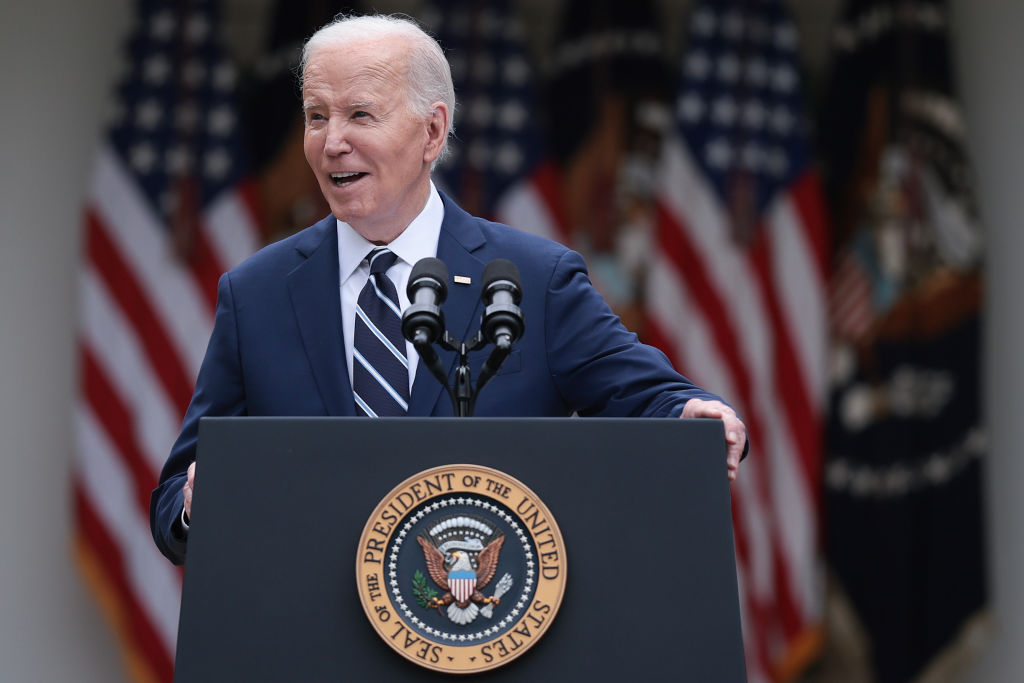
Biden doubles down on China tariffs
The Biden Administration is pressuring China with more tariffs in key industries, and consumers will likely feel the pain.
The Biden Administration is facing a dilemma: how can it protect domestic industries and national security interests while keeping prices low for consumers?
It’s looking more and more like the latter will lose out after the White House announced a new set of tariffs on Chinese imports on Tuesday. The federal government has already pledged billions of dollars to support domestic production of three of the effected imports (semiconductors, electric vehicles, and battery materials), and the White House is doubling down through this new set of tariffs.
The Biden Administration prioritized domestic chip production when it signed the $53 billion CHIPS Act in 2022, and just two months ago, the US Department of Commerce proposed up to $8.5 billion in direct funding through the $53 billion CHIPS and Science Act to advance Intel’s commercial semiconductor projects in Arizona, New Mexico, Ohio, and Oregon. Now, tariffs for Chinese semiconductors will double from 25% to 50% by 2025, building on Chinese export restrictions levied against domestic chip makers such as Nvidia last October.
Domestic EV producers have struggled to compete with Chinese companies on price, as Chinese EV manufacturer BYD sells two models in its home market for $12,000 and $10,000. Meanwhile, Tesla’s cheapest model is the $39,000 Model 3, and Reuters reported that Tesla is scrapping its plans for a cheaper, $25,000 model car (Elon Musk refuted this claim, but didn’t elaborate). To help combat this, the government is also increasing the tariff on Chinese electric vehicles from 25% to 100%.
Chinese EV batteries and battery components will face 25% tariffs by 2026, up from 0 to 7.5%. And that’s on top of the indirect tax they already face through EV tax credit requirements (vehicles with Chinese battery parts aren't eligible for the federal $7,500 tax credit). This move comes after the Biden Administration has already invested almost $20B in grants and loans to expand domestic production capacity for batteries.
These policy changes may protect key US interests, but consumers are going to miss out on cheaper options already available on the market and bear the brunt of higher prices from these levies on crucial parts of electric vehicle supply chain.