

Business
business
Rani Molla

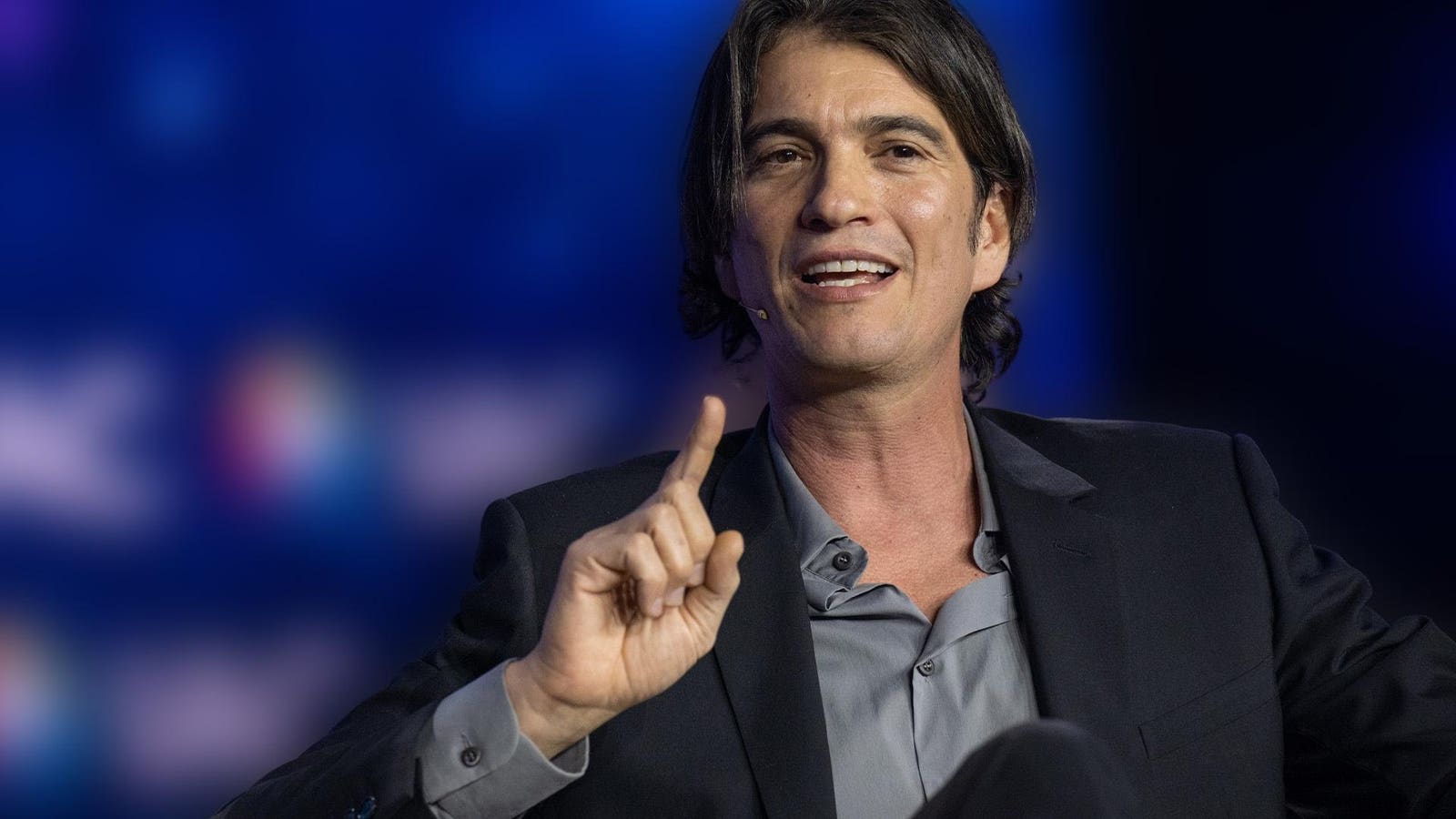
WeWork’s Adam Neumann’s carbon token startup failed at its one job

The stated mission of Adam Neumann’s Flowcarbon was to “drive billions of dollars directly to projects that reduce or remove carbon from the atmosphere by creating the first open protocol for tokenizing live, certified carbon credits from projects around the globe.”

It seems to have failed at its one job, according to reporting by Forbes: the carbon token startup failed to launch a token.

The startup, which had raised $70 million, has been refunding buyers of its carbon token, blaming “market conditions and resistance from carbon registries.” Alas the so-called “Goddess Nature Token,” which was meant to make it easier for people to participate in the carbon market, never saw the light of day.

This is not Neumann’s first flop. After tanking office rental space company WeWork, the founder has proceeded to fail upward, raising gobs of money for new businesses Flowcarbon and Flow.
The startup, which had raised $70 million, has been refunding buyers of its carbon token, blaming “market conditions and resistance from carbon registries.” Alas the so-called “Goddess Nature Token,” which was meant to make it easier for people to participate in the carbon market, never saw the light of day.

This is not Neumann’s first flop. After tanking office rental space company WeWork, the founder has proceeded to fail upward, raising gobs of money for new businesses Flowcarbon and Flow.

More Business

See all Business
$35.4B

The tariffs imposed by the Trump administration have cost automakers at least $35.4 billion since the start of 2025, according to a new analysis by Automotive News.

That total will continue to climb this year, since the Supreme Court’s February tariff ruling largely leaves the 25% levy on vehicles and auto parts untouched.

Toyota has taken the biggest hit, projecting more than $9 billion in tariff costs in its fiscal year ending this month, while Detroit’s big three automakers — Ford, GM, and Stellantis — were hit with a combined $6.5 billion tariff charge in 2025.

In the fourth quarter, automakers sold about 8% fewer imported vehicles in the US compared to the same period a year ago, per the Automotive News Research & Data Center.

Tariff charges come at a rough time for legacy carmakers, which are also scaling back EV plans following the Trump administration’s elimination of tax credits and fuel standard goals. According to Automotive News, the cost of EV write-downs and restructuring is, so far, nearly $70 billion.

Universal Studios Orlando Theme Park

Universal Studios is giving theaters a longer minimum exclusive run

Universal will now guarantee a minimum of five weekends before a movie hits home screens — which might help theater companies like AMC finally get back to profitability.

Tesla Will Open Up Its Chargers To Other Brands, In Order To Receive Federal Subsidies

After a big pullback for EVs, climbing gas prices are causing drivers to eye them again

Still, the market is much different than it was the last time oil prices were this high.

business
Rani Molla

How Tesla quietly wound up owning a small piece of SpaceX

Tesla is converting its recent $2 billion investment in Elon Musk’s AI company, xAI, into a small ownership stake in SpaceX — just months before the rocket maker’s highly anticipated IPO.

Here’s what happened: Tesla announced its xAI investment in late January, after a shareholder proposal to invest fell short last year. Several days later, xAI merged with SpaceX. All three companies are headed by Musk.

Now, regulatory filings with the Federal Trade Commission show Tesla converting that investment into a small stake in SpaceX, formalizing the financial link between the companies ahead of the rocket maker’s IPO. SpaceX is expected to go public this year at a valuation some speculate could top $1.75 trillion, potentially making it the biggest company to ever go public. (The current record holder, Saudi Aramco, went public at a more than $1.7 trillion valuation in 2020.)

While the size of Tesla’s stake wasn’t available, Bloomberg reports that the investment would equate to ownership of less than 1%.

While SpaceX and Tesla have engaged in related-party transactions over the years, Tesla had not previously disclosed an equity investment in SpaceX.

Now, regulatory filings with the Federal Trade Commission show Tesla converting that investment into a small stake in SpaceX, formalizing the financial link between the companies ahead of the rocket maker’s IPO. SpaceX is expected to go public this year at a valuation some speculate could top $1.75 trillion, potentially making it the biggest company to ever go public. (The current record holder, Saudi Aramco, went public at a more than $1.7 trillion valuation in 2020.)

While the size of Tesla’s stake wasn’t available, Bloomberg reports that the investment would equate to ownership of less than 1%.

While SpaceX and Tesla have engaged in related-party transactions over the years, Tesla had not previously disclosed an equity investment in SpaceX.

Latest Stories

Sherwood Media, LLC produces fresh and unique perspectives on topical financial news and is a fully owned subsidiary of Robinhood Markets, Inc., and any views expressed here do not necessarily reflect the views of any other Robinhood affiliate, including Robinhood Markets, Inc., Robinhood Financial LLC, Robinhood Securities, LLC, Robinhood Crypto, LLC, Robinhood Derivatives, LLC, or Robinhood Money, LLC. Futures and event contracts are offered through Robinhood Derivatives, LLC.