Business
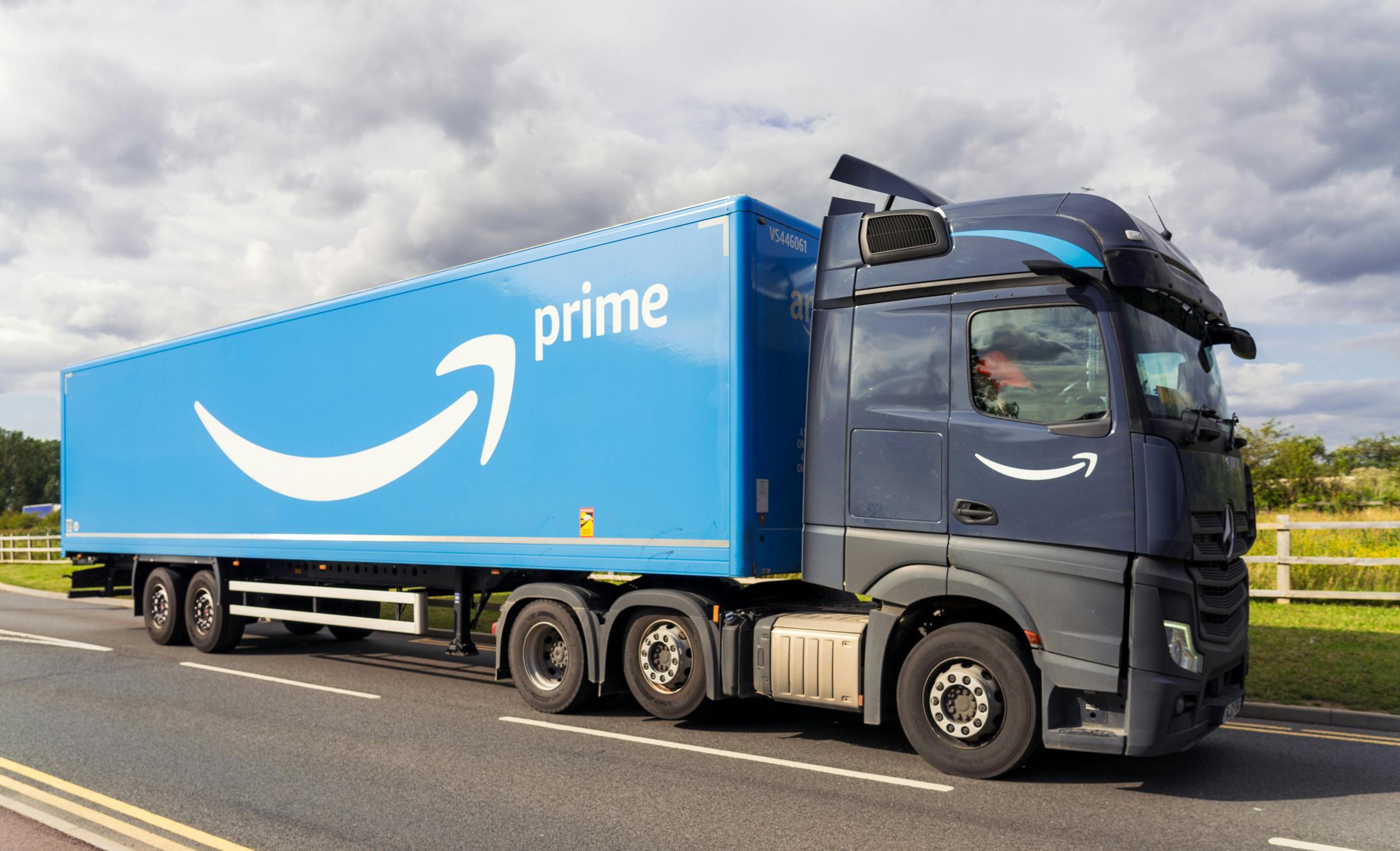
Amazon Prime delivery truck

Amazon’s Prime Day could be the shopping spree that consumers (and the economy) have been waiting for

This year’s mega sales event is longer, earlier, and arriving just as shoppers tighten their belts.

Amazon’s biggest sales event of the year kicks off tomorrow and it could be its biggest ever.

This year’s Prime Day sales event will stretch from July 8 through 11, be available across 26 countries (its widest reach to date), and offer discounts of up to 40% across a range of products. Amazon’s betting a longer window of deals and new AI-powered shopping tools can keep carts full in a cooler retail climate.

Early forecasts are bullish: Adobe Analytics expects the event to generate a record $23.8 billion in US sales, despite signs that consumers are getting more selective with big-ticket buys.

Prime Day isn’t just about deals; it’s about keeping membership sticky.

The sales event is one of Amazon’s biggest drivers of Prime sign-ups and engagement. JPMorgan estimates the company could hit ~350 million global Prime members by the end of this year, up from 200 million in 2021, thanks to a steady climb in both the US and abroad.

Still… shoppers are looser with loyalty than they once were. A recent survey by Upside found that nearly 80% of shoppers consider themselves uncommitted, or willing to switch stores, apps, or brands, to find the best deal.

But analysts believe Prime Day’s impact stretches beyond the four-day event. The sale is expected to give Amazon an early boost on back-to-school and college shopping, helping it lock in spending before the busier fall shopping season kicks off. Bank of America estimates this week’s event will drive ~10% year-over-year growth for Amazon.

Even with rivals circling, Amazon’s scale could keep it ahead.

Walmart, Target, and Best Buy are all running competing sales this week, hoping to capture some Prime Day spillover with discounts of their own. But Amazon’s size and early prep work may give it the edge.

Heading into the event, industry experts were concerned that Amazon’s third-party sellers may not be as active because of recent tariff hikes. But in a recent Bank of America note, analysts said the retailer and many of its sellers stocked up early to avoid tariff hikes and potential shortages later. Amazon’s extended four-day sale is also considered a sign of confidence in its supply chain.

Analysts added that the company’s expansive inventory, industry-leading fulfillment capacity, and record delivery capability allows the company to stretch deals longer without running out of stock.

Amazon has continually made its Prime Day longer, giving members 30 hours in 2017 and 36 in 2018 to shop before going to two full days in 2019. The number of countries privy to the sale has grown as well:

The sales event lands as consumer confidence stays on shaky ground. June’s reading gave back nearly half of May’s sharp gains, and many shoppers are still prioritizing travel and experiences over splurging on a new kitchen setup or 55-inch flatscreen for the living room.

Shoppers may use Prime Day to trade back up.

After months of trading down to budget or cheaper in-house brands, consumers may finally be ready to stretch their wallets for more premium products... if the price is right.

According to Adobe Analytics, the share of higher-priced items sold during the sales event is expected to jump 18% as shoppers dip back into electronics, smartphones, and other bigger-ticket buys they may have delayed until now.

That deal-chasing behavior doesn’t just stay on Amazon. Retailers like Chewy, eBay, Etsy, and Peloton are also expected to see a Prime Day halo effect, as shoppers bounce around sites in search of the best price (or just a little retail therapy). The stakes are high: Amazon said last year’s Prime Day set new records, with estimates pegging sales at $14.2 billion in just 48 hours.

Amazon shares are up just over 1.5% on the year, still trading below their all-time highs.

More Business

See all Business
Capsule Pill and Dots

Justice Department accuses telehealth Zealthy of fraud, says remedy may bankrupt it

The feds say they don’t think Zealthy has the liquidity to pay what it owes customers.

Netflix playground

Will investing in kids games finally make Netflix Games “the Netflix of games”?

Netflix is launching a game for preschoolers, its latest foray into stuff-you-play instead of stuff-you-watch.

business

American Airlines joins the flock, hiking bag fees amid higher jet fuel prices

American Airlines on Thursday announced that it, too, will be hiking the fees it charges customers to check luggage.

With the move, all four of the major US airlines, which together control about 80% of the US market, have now hiked their baggage fees in recent days amid surging jet fuel prices.

The change will go into effect on tickets bought on or after Thursday, the same day Southwest’s hike begins.

Since late March, JetBlue, Delta Air Lines, United Airlines, Canada’s WestJet, and Southwest have hiked their fees. Experts expect more major carriers to follow, and to potentially tweak the pricing of other ancillary revenue sources like seat assignments and carry-on luggage.

The change will go into effect on tickets bought on or after Thursday, the same day Southwest’s hike begins.

Since late March, JetBlue, Delta Air Lines, United Airlines, Canada’s WestJet, and Southwest have hiked their fees. Experts expect more major carriers to follow, and to potentially tweak the pricing of other ancillary revenue sources like seat assignments and carry-on luggage.

business

Less than a year after implementing them, Southwest is also hiking its bag fees

Southwest Airlines has joined the growing list of airlines opting to hike their bag fees amid sustained higher jet fuel costs.

Starting today, the first checked bag at the carrier — which implemented bag fees less than a year ago — will jump from $35 to $45, and the second from $45 to $55. Southwest quietly disclosed the change Tuesday.

Southwest assigned the decision to “part of an ongoing analysis of the business and against the evolving global backdrop.”

As of Wednesday, jet fuel prices dropped to $4.16 a gallon, per the Argus US Jet Fuel Index, down from $4.81 on Tuesday following President Trump’s ceasefire announcement, which sent travel stocks soaring. Major airlines have shed some of those gains in premarket trading Thursday.

With the move to hike bag fees, Southwest joins JetBlue, United Airlines, Delta Air Lines, and Canada’s WestJet, all of which also boosted fees this month. Experts expect more major carriers to follow, and to potentially tweak the pricing of other ancillary revenue sources like seat assignments and carry-on luggage.

Southwest assigned the decision to “part of an ongoing analysis of the business and against the evolving global backdrop.”

As of Wednesday, jet fuel prices dropped to $4.16 a gallon, per the Argus US Jet Fuel Index, down from $4.81 on Tuesday following President Trump’s ceasefire announcement, which sent travel stocks soaring. Major airlines have shed some of those gains in premarket trading Thursday.

With the move to hike bag fees, Southwest joins JetBlue, United Airlines, Delta Air Lines, and Canada’s WestJet, all of which also boosted fees this month. Experts expect more major carriers to follow, and to potentially tweak the pricing of other ancillary revenue sources like seat assignments and carry-on luggage.

Latest Stories

Sherwood Media, LLC produces fresh and unique perspectives on topical financial news and is a fully owned subsidiary of Robinhood Markets, Inc., and any views expressed here do not necessarily reflect the views of any other Robinhood affiliate, including Robinhood Markets, Inc., Robinhood Financial LLC, Robinhood Securities, LLC, Robinhood Crypto, LLC, Robinhood Derivatives, LLC, or Robinhood Money, LLC. Futures and event contracts are offered through Robinhood Derivatives, LLC.