Business
Zuckerberg at a UFC match
Mark Zuckerberg at UFC 300 at T-Mobile Arena on April 13, 2024, in Las Vegas (Jeff Bottari/Getty Images)
Weird Money

Security spending on company CEOs is poised to skyrocket

We’ll probably see a big uptick in companies following Meta’s lead on paying for executive security in 2025.

Jack Raines

The biggest story of December has been the fatal shooting of UnitedHealthcare CEO Brian Thompson. I’m not going to comment on the ongoing investigation, but in the wake of the shooting, The Wall Street Journal published an interesting piece on company spend on executive security outside of work, citing a report from executive-intelligence provider Equilar.

The report says that 27.6% of S&P 500 companies provided security for at least one top executive, up from 23.5% in 2021, and median spending doubled to almost $100,000. (Note: these figures don’t include security spend that occurs in offices or on work travel, as those are considered normal business expenses.) Within that 27.6%, there are some strong outliers.

Meta spent $24.39 million, more than triple the next highest spender, Alphabet, which came in at $6.78 million. UnitedHealthcare, notably, didn’t have any listed costs in 2023. But after that recent shooting, security spend is poised for an uptick:

“Dozens of security chiefs from large U.S. companies met on a call Wednesday to discuss security protocols. One security adviser, Global Guardian CEO Dale Buckner, said he fielded calls from companies looking to send armed guards to accompany executives attending conferences in New York and other U.S. cities this week.”

Given risks posed by the internet, that increase in security spend is probably overdue. The internet has introduced two risk factors for known figures:

  1. It’s much, much easier to find someone’s personal information, such as where they live, what their travel itinerary might be for work events, etc.

  2. Social media is a catalyst for unrest, as it facilitates frictionless communication between individuals with similar gripes.

At any given time, any number of people can be upset about any number of things, including the climate crisis, health insurance, poorly timed layoffs, and politics. Executives of companies deemed to be tied to one of these issues often become targets of this angst, social media allows for the creation of echo chambers of like-minded individuals who share that angst, personal information on these individuals is more accessible than it was pre-internet, and it takes only one person to create a tragedy.

Given that every company in the S&P 500 is worth at least $6 billion, I’m surprised that just ~27% of companies so far have paid for additional security for company executives. I imagine that next quarter’s earnings season will show several companies adding a new line-item expense for “personal security.”

More Business

See all Business
The entrance of Allbirds seen from Hayes St. in San Francisco, Calif.

Allbirds, the once buzzy multibillion-dollar sneaker startup, is selling up for $39 million

That’s less than 1% of its peak market cap about four years ago.

Tom Jones3/31/26
business

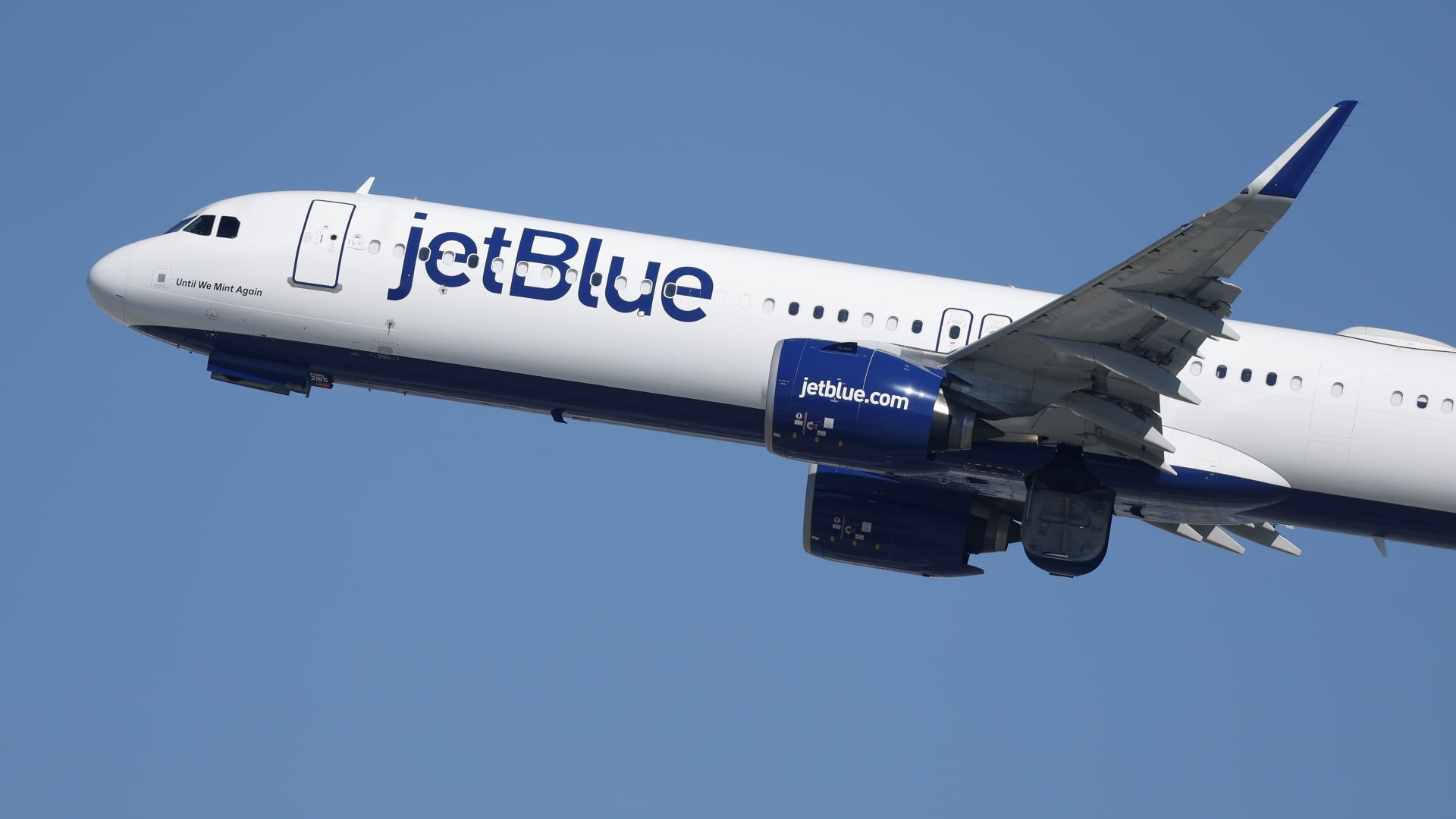
JetBlue is raising its bag fees as fuel costs squeeze airlines

JetBlue will reportedly hike its bag fees, as the cost of jet fuel continues to climb amid the war in Iran. It’s the latest example of carriers finding ways to push rising costs onto travelers.

Last week, United Airlines CEO Scott Kirby said that if fuel prices remain elevated, fares would need to rise another 20% for his airline to break even this year.

As CNBC reported, when one airline raises fees, others tend to follow.

Earlier this month, JetBlue hiked its first-quarter outlook for operating revenue per seat mile to between 5% and 7%, saying that strong Q1 demand helped “partially offset additional expenses realized from operational disruptions and rising fuel costs.” Now, the carrier appears to be making moves to further boost revenue to offset those costs.

Earlier on Monday, JetBlue rival Alaska Air lowered its Q1 profit forecast. The refining margins for the carrier’s cheapest fuel option — sourced from Singapore and representing about 20% of Alaska’s overall supply — have spiked 400% since February.

JetBlue did not immediately respond to a request for comment.

As CNBC reported, when one airline raises fees, others tend to follow.

Earlier this month, JetBlue hiked its first-quarter outlook for operating revenue per seat mile to between 5% and 7%, saying that strong Q1 demand helped “partially offset additional expenses realized from operational disruptions and rising fuel costs.” Now, the carrier appears to be making moves to further boost revenue to offset those costs.

Earlier on Monday, JetBlue rival Alaska Air lowered its Q1 profit forecast. The refining margins for the carrier’s cheapest fuel option — sourced from Singapore and representing about 20% of Alaska’s overall supply — have spiked 400% since February.

JetBlue did not immediately respond to a request for comment.

Latest Stories

Sherwood Media, LLC produces fresh and unique perspectives on topical financial news and is a fully owned subsidiary of Robinhood Markets, Inc., and any views expressed here do not necessarily reflect the views of any other Robinhood affiliate, including Robinhood Markets, Inc., Robinhood Financial LLC, Robinhood Securities, LLC, Robinhood Crypto, LLC, Robinhood Derivatives, LLC, or Robinhood Money, LLC. Futures and event contracts are offered through Robinhood Derivatives, LLC.