Markets
markets

“Golden age of margins” seen in 2026

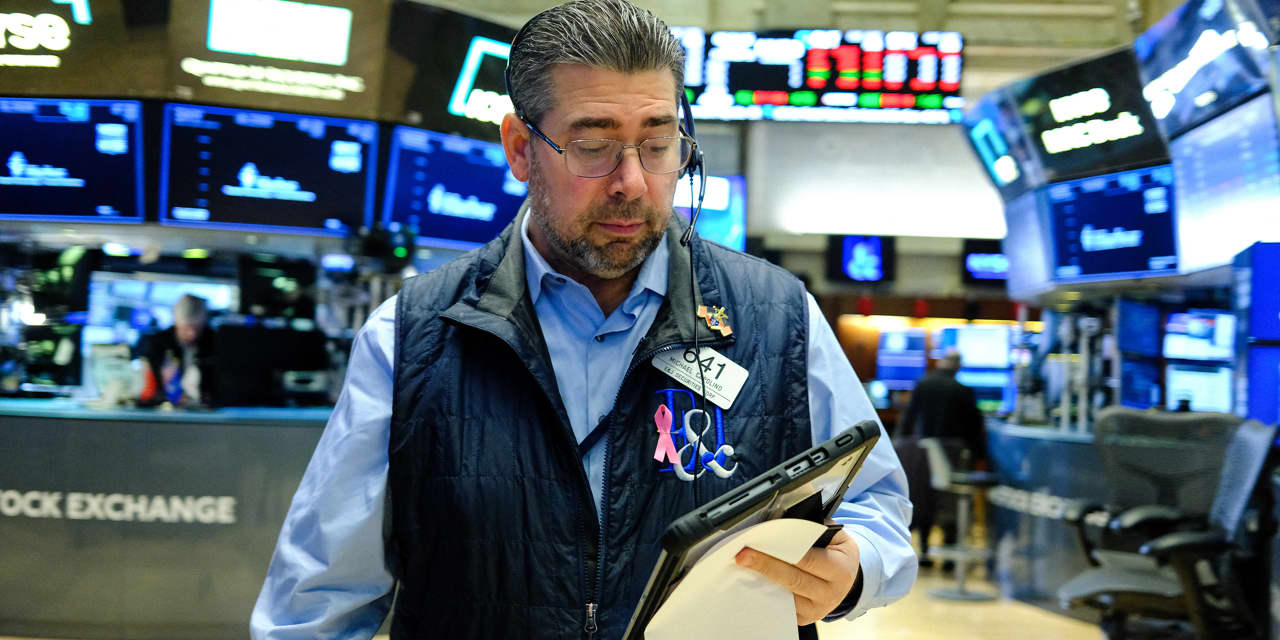
Wall Street tends to be a pretty optimistic place. But on one measure, market watchers are the most optimistic on record.

FactSet data shows that the consensus estimate for S&P 500 net profit margins in calendar year 2026 calls for the gauge to climb to 13.9% in 2026.

But if borne out by events next year, “it will mark the highest (annual) net profit margin reported by the index since FactSet began tracking this metric in 2008,” wrote John Butters, a senior earnings analyst at the financial data company.

A recent story from Barron’s also commented on the expectations for especially fat profit margins embedded into forecasts for next year.

“We are in the golden age of margins,” Lori Calvasina, head of US equity strategy at RBC’s Capital Markets, told the magazine.

That’s good news for investors looking forward to next year. But the follow-up question, of course, is where the growth in profitability is expected to come from. The answer, as you might have guessed, is tech, though the precise mechanisms by which those profits land in the coffers of the giant tech firms remain something of a mystery. Barron’s doesn’t get into the details, saying, “Call it benefits from AI, pricing power, or whatever.”

That doesn’t exactly sound like money in the bank. But even die-hard haters of AI have to acknowledge that betting against the ability of giant tech companies to generate massive profit growth has been a bad trade for the last couple decades.
But if borne out by events next year, “it will mark the highest (annual) net profit margin reported by the index since FactSet began tracking this metric in 2008,” wrote John Butters, a senior earnings analyst at the financial data company.

A recent story from Barron’s also commented on the expectations for especially fat profit margins embedded into forecasts for next year.

“We are in the golden age of margins,” Lori Calvasina, head of US equity strategy at RBC’s Capital Markets, told the magazine.

That’s good news for investors looking forward to next year. But the follow-up question, of course, is where the growth in profitability is expected to come from. The answer, as you might have guessed, is tech, though the precise mechanisms by which those profits land in the coffers of the giant tech firms remain something of a mystery. Barron’s doesn’t get into the details, saying, “Call it benefits from AI, pricing power, or whatever.”

That doesn’t exactly sound like money in the bank. But even die-hard haters of AI have to acknowledge that betting against the ability of giant tech companies to generate massive profit growth has been a bad trade for the last couple decades.

More Markets

See all Markets
markets
Rani Molla

Amazon just matched its longest losing streak in 20 years

Amazon shares marked their ninth straight day of losses — the company’s longest losing streak since 2006.

The milestone follows a fourth-quarter earnings miss, downbeat guidance, and a plan to spend a whopping $200 billion on capital expenditure this year.

Amazon is hoping that by spending big on AI infrastructure now, it will reap rewards from the technology later. Investors aren’t so sure.

Interestingly enough, the current situation sounds quite similar to the one Amazon was in two decades ago. Back then, Amazon endured a similar stretch as it was upping spending on tech and an online toy store — moves that would eat into its profits.

At the time, an asset manager told Bloomberg, “They want to capture as many eyeballs as they can on the Internet and be the go-to place on the Internet, but thats costing them earnings, at least right now.”

Sound familiar? In case you’re wondering, Amazon stock has risen 14,849% since that quote.

markets

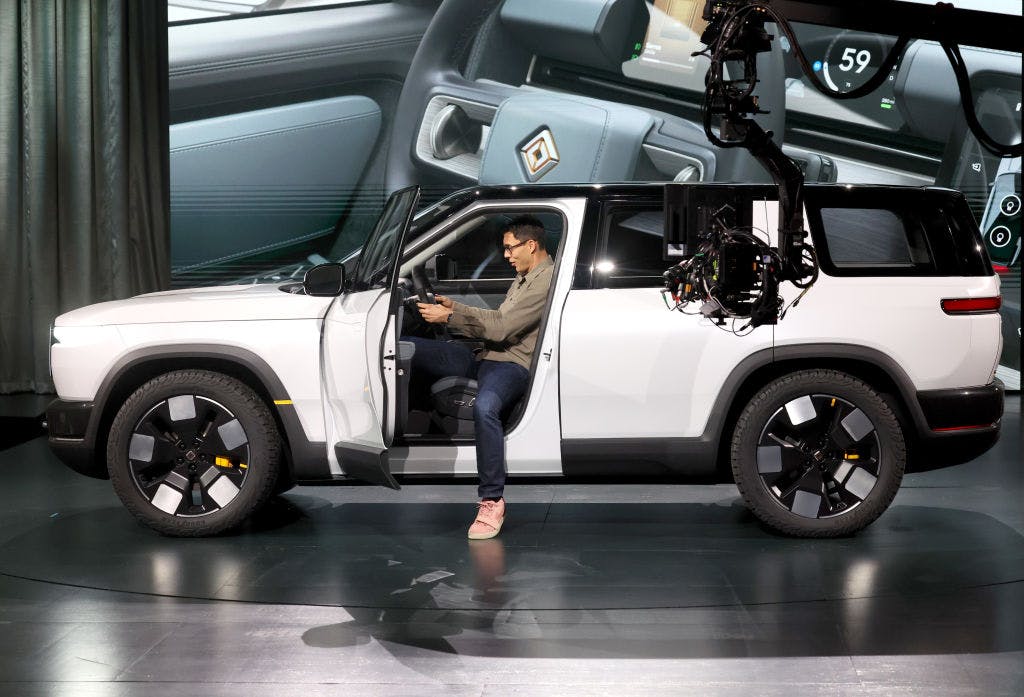
Rivian is on pace for its best-ever trading day as analysts dig into Q4 results

EV maker Rivian is on track to log its best trading day on record Friday, as investors pour in following its fourth-quarter earnings report and 2026 guidance and analysts issue bullish appraisals of the shares.

Rivian shares are up more than 30% on Friday afternoon, easily surpassing its previous best trading day, which came in January 2025.

“We continue to remain confident in the long-term vision that RIVN is amid a massive transformation,” Wedbush Securities’ Dan Ives wrote in a fresh note on Friday. The firm maintained its $25 price target and “outperform” outlook and said that the launch of Rivian’s upcoming lower-cost SUV, the R2, is “crucial.”

Rivian received upgrades from Deutsche Bank (to “buy” from “hold”) and UBS (to “neutral” from “sell”) following its results.

On its Thursday earnings call, Rivian said it expects its delivery volume of its existing vehicle lineup to land “roughly in line with... 2025 total volumes.” Given the automaker’s full-year delivery guidance, that statement implies 2026 R2 deliveries to land between 20,000 and 25,000 units.

Self-driving features also appear to be boosting investor optimism. On Thursday’s earnings call, CEO RJ Scaringe said the company would enable “point-to-point” driving in its vehicles later this year. In a podcast interview released Thursday, Scaringe predicted that by 2030, it will be “inconceivable to buy a car and not expect it to drive itself.” Rivian is targeting “a little sooner than that,” he added.

Rivian shares are also likely benefiting from something of a snapback: before the release of its Q4 results, Rivian shares had been hammered recently, down 38% since their recent high in December.

“We continue to remain confident in the long-term vision that RIVN is amid a massive transformation,” Wedbush Securities’ Dan Ives wrote in a fresh note on Friday. The firm maintained its $25 price target and “outperform” outlook and said that the launch of Rivian’s upcoming lower-cost SUV, the R2, is “crucial.”

Rivian received upgrades from Deutsche Bank (to “buy” from “hold”) and UBS (to “neutral” from “sell”) following its results.

On its Thursday earnings call, Rivian said it expects its delivery volume of its existing vehicle lineup to land “roughly in line with... 2025 total volumes.” Given the automaker’s full-year delivery guidance, that statement implies 2026 R2 deliveries to land between 20,000 and 25,000 units.

Self-driving features also appear to be boosting investor optimism. On Thursday’s earnings call, CEO RJ Scaringe said the company would enable “point-to-point” driving in its vehicles later this year. In a podcast interview released Thursday, Scaringe predicted that by 2030, it will be “inconceivable to buy a car and not expect it to drive itself.” Rivian is targeting “a little sooner than that,” he added.

Rivian shares are also likely benefiting from something of a snapback: before the release of its Q4 results, Rivian shares had been hammered recently, down 38% since their recent high in December.

Latest Stories

Sherwood Media, LLC produces fresh and unique perspectives on topical financial news and is a fully owned subsidiary of Robinhood Markets, Inc., and any views expressed here do not necessarily reflect the views of any other Robinhood affiliate, including Robinhood Markets, Inc., Robinhood Financial LLC, Robinhood Securities, LLC, Robinhood Crypto, LLC, or Robinhood Money, LLC.