Markets
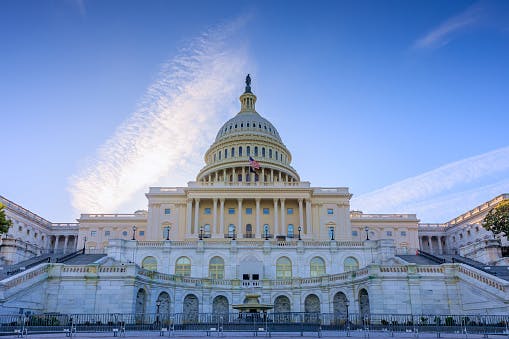
The East Side of the US Capitol Building in the early morning, Washington DC, USA.
The east side of the US Capitol Building (Getty Images)

Group of House Republicans defy leadership and join Democrats to force ACA vote

The subsidies are still likely to end before the deadline.

A group of moderate House Republicans defied House Speaker Mike Johnson on Wednesday and signed off on a measure that would force a vote on extending Affordable Care Act tax credits.

The revolt came after Johnson blocked a vote on the ACA subsidies on Tuesday. The credits are set to expire on December 31 just as insurance premiums are expected to skyrocket in 2026, creating a political liability for lawmakers up for election in the midterms next year.

“It is political malpractice,” Rep. Mike Lawler, one of the four Republican lawmakers who joined Democrats to force a vote, told Politico on Tuesday in reference to Johnson blocking the vote.

The subsidies are still likely to end before the deadline. The move gives House leadership seven working days to bring it up for a vote. The tax credits are set to expire at year’s end, the House is not in session next week, and lawmakers do not return to Washington until January 6.

Last week, the US Senate rejected two dueling proposals that would have either extended the tax credits or replaced them with federally funded tax-advantaged health savings accounts.

The market-implied odds of the subsides being extended before 2026 is less than 3%, data from Kalshi shows, though traders now peg the odds of an extension before February 2026 at 24%.

The ACA tax credits, which subsidize health insurance plans provided by private insurers, were part of a 2021 COVID-19 relief package passed by a Democratic-controlled Congress.

The subsidies led to a boom in ACA enrollment, with some of the biggest providers of ACA Marketplace plans being companies like Oscar Health, UnitedHealth, Molina Healthcare, and Centene.


More Markets

See all Markets
markets
Rani Molla

Amazon just matched its longest losing streak in 20 years

Amazon shares marked their ninth straight day of losses — the company’s longest losing streak since 2006.

The milestone follows a fourth-quarter earnings miss, downbeat guidance, and a plan to spend a whopping $200 billion on capital expenditure this year.

Amazon is hoping that by spending big on AI infrastructure now, it will reap rewards from the technology later. Investors aren’t so sure.

Interestingly enough, the current situation sounds quite similar to the one Amazon was in two decades ago. Back then, Amazon endured a similar stretch as it was upping spending on tech and an online toy store — moves that would eat into its profits.

At the time, an asset manager told Bloomberg, “They want to capture as many eyeballs as they can on the Internet and be the go-to place on the Internet, but thats costing them earnings, at least right now.”

Sound familiar? In case you’re wondering, Amazon stock has risen 14,849% since that quote.

markets

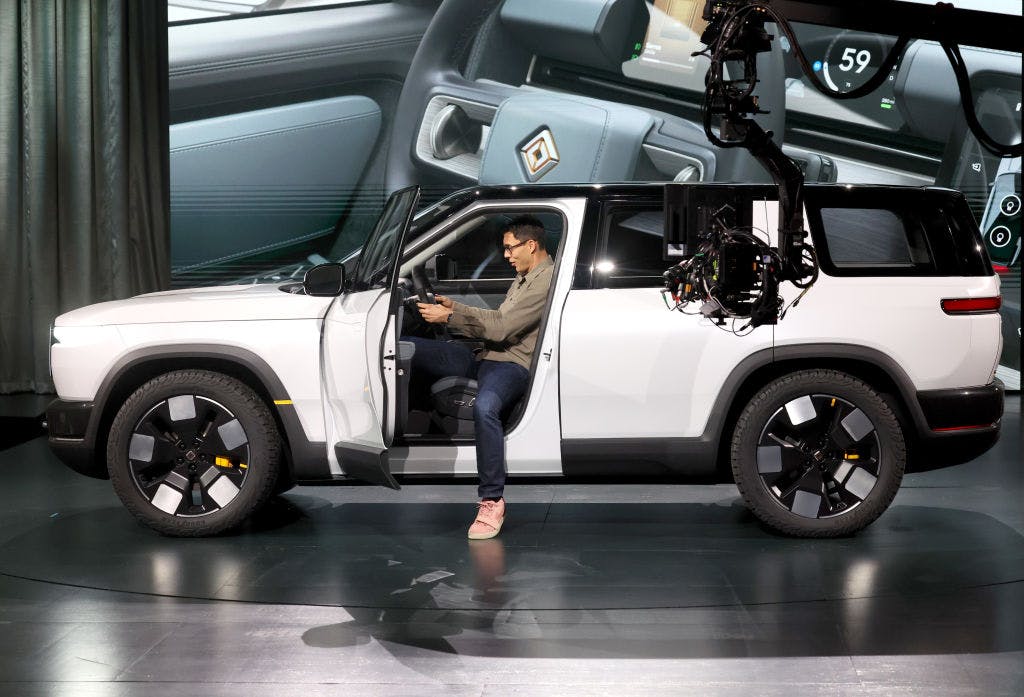
Rivian is on pace for its best-ever trading day as analysts dig into Q4 results

EV maker Rivian is on track to log its best trading day on record Friday, as investors pour in following its fourth-quarter earnings report and 2026 guidance and analysts issue bullish appraisals of the shares.

Rivian shares are up more than 30% on Friday afternoon, easily surpassing its previous best trading day, which came in January 2025.

“We continue to remain confident in the long-term vision that RIVN is amid a massive transformation,” Wedbush Securities’ Dan Ives wrote in a fresh note on Friday. The firm maintained its $25 price target and “outperform” outlook and said that the launch of Rivian’s upcoming lower-cost SUV, the R2, is “crucial.”

Rivian received upgrades from Deutsche Bank (to “buy” from “hold”) and UBS (to “neutral” from “sell”) following its results.

On its Thursday earnings call, Rivian said it expects its delivery volume of its existing vehicle lineup to land “roughly in line with... 2025 total volumes.” Given the automaker’s full-year delivery guidance, that statement implies 2026 R2 deliveries to land between 20,000 and 25,000 units.

Self-driving features also appear to be boosting investor optimism. On Thursday’s earnings call, CEO RJ Scaringe said the company would enable “point-to-point” driving in its vehicles later this year. In a podcast interview released Thursday, Scaringe predicted that by 2030, it will be “inconceivable to buy a car and not expect it to drive itself.” Rivian is targeting “a little sooner than that,” he added.

Rivian shares are also likely benefiting from something of a snapback: before the release of its Q4 results, Rivian shares had been hammered recently, down 38% since their recent high in December.

“We continue to remain confident in the long-term vision that RIVN is amid a massive transformation,” Wedbush Securities’ Dan Ives wrote in a fresh note on Friday. The firm maintained its $25 price target and “outperform” outlook and said that the launch of Rivian’s upcoming lower-cost SUV, the R2, is “crucial.”

Rivian received upgrades from Deutsche Bank (to “buy” from “hold”) and UBS (to “neutral” from “sell”) following its results.

On its Thursday earnings call, Rivian said it expects its delivery volume of its existing vehicle lineup to land “roughly in line with... 2025 total volumes.” Given the automaker’s full-year delivery guidance, that statement implies 2026 R2 deliveries to land between 20,000 and 25,000 units.

Self-driving features also appear to be boosting investor optimism. On Thursday’s earnings call, CEO RJ Scaringe said the company would enable “point-to-point” driving in its vehicles later this year. In a podcast interview released Thursday, Scaringe predicted that by 2030, it will be “inconceivable to buy a car and not expect it to drive itself.” Rivian is targeting “a little sooner than that,” he added.

Rivian shares are also likely benefiting from something of a snapback: before the release of its Q4 results, Rivian shares had been hammered recently, down 38% since their recent high in December.

Latest Stories

Sherwood Media, LLC produces fresh and unique perspectives on topical financial news and is a fully owned subsidiary of Robinhood Markets, Inc., and any views expressed here do not necessarily reflect the views of any other Robinhood affiliate, including Robinhood Markets, Inc., Robinhood Financial LLC, Robinhood Securities, LLC, Robinhood Crypto, LLC, or Robinhood Money, LLC.