
Markets
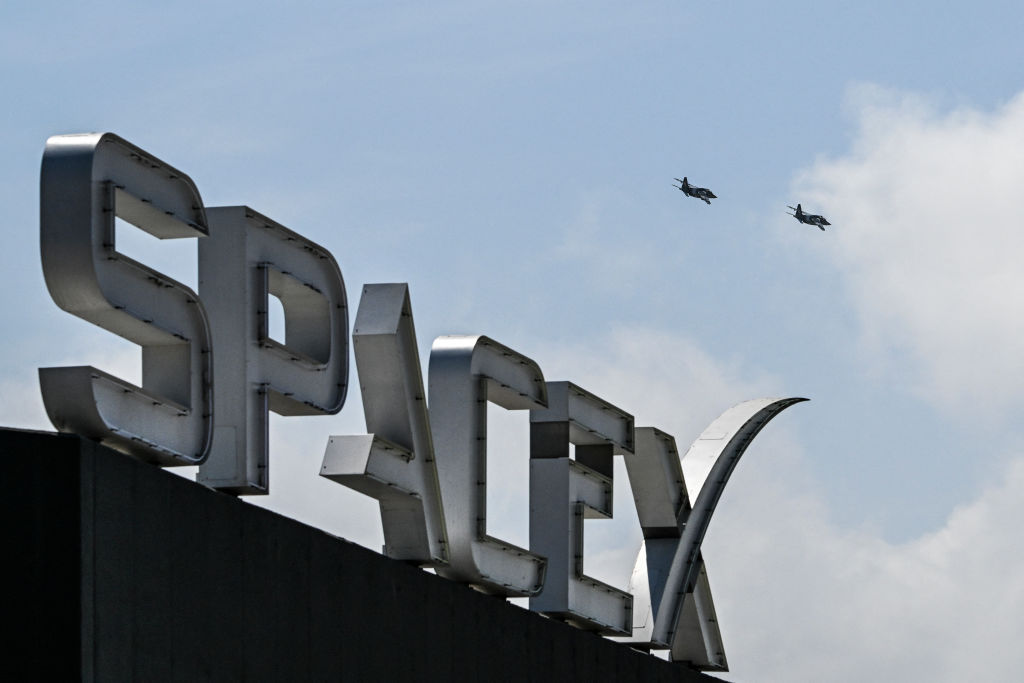
US-SPACE-AEROSPACE-SPACEX-STARSHIP
Chandan Khanna/Getty Images
The call of destiny

Retail investors want private stocks

Why are investors vastly overpaying to own shares of Destiny?

Jack Raines

The median valuation of a successful tech IPO increased from $548M in 2010, to $815M in 2015, to an astounding $4.3B in 2020 as an abundance of venture capital and private equity funding has allowed companies to stay private longer.

The biggest losers from this trend? Retail investors. Accredited investor laws limit most private investments to institutional and high net worth investors. The exceptions such as crowdfunded vehicles may allow retail investors to legally invest in a startup, but the reality is investment minimums price them out of most deals.

But what if you could buy shares in a public company that then invested in a private company for you? Enter: Destiny Tech100.

After purchasing shares of 23 private companies such as Stripe, SpaceX, and OpenAI, Destiny listed on the New York Stock Exchange with plans to increase its holdings to 100 different startups. “Tens of thousands of individual investors” have invested in the new vehicle since its listing, according to CEO Sohail Prasad, and its stock price has soared from $9 on March 26 to over $50 today.

There’s just one problem: the fund’s assets are worth just $4.84 per share according to Destiny’s SEC filing, which notes its private company holdings are worth $54,307,219. And yet, the stock is trading for more than 10x that, meaning that investors are paying more than a 1000% premium to invest in these startups. As Matt Levine noted yesterday, more than 90% of what investors are paying for is the premium for Destiny, not the underlying companies themselves.

Why would someone overpay 1,000% for this? I have three hypotheses:

  1. Investors are fully aware of the premium that they’re paying, and they believe that the companies, or the potential of the companies Destiny picks, are worth it.

  2. Investors saw that they can invest in Stripe and SpaceX for $56, they have no idea what net asset value is and they really don’t care — they just want to be able to own hot, buzzy startups.

  3. Some investors realize that $56 is overpriced, but they also realize that enough investors don’t realize the stock is overpriced and are bidding the price up. These investors begrudgingly decide that, in the context of a limited supply for a misunderstood hot asset, this is the best price they’re going to get, and they’ll just have to pay a premium for it.

This is not much different than, say, someone paying $300 for a share of GameStop at a $20B market cap or $60 for Trump Media at 1,500x revenue because they “like the stock.” The market, in the short-term, couldn’t care less about your “valuations,” and your ability to invest at a fair price is dependent on the rest of the market understanding what a fair price is.

More Markets

See all Markets
markets

SpaceX gets a wave of bullish ratings from Wall Street analysts

SpaceX received more than a dozen positive analyst calls on Tuesday — including from major Wall Street banks — as they initiate coverage on Elon Musk’s space and AI company.

SpaceX went public on June 12 at a $2.2 trillion valuation, the largest debut in history. While the company hasn’t yet posted a profit, it seems to have convinced Wall Street that it will get there and grow its valuation on the way.

Of the at least 17 analysts that gave a rating on Tuesday, all but one gave it a “buy” or “outperform” rating. MoffettNathanson was "neutral."

The ratings come as SpaceX joined the Nasdaq 100 index, a benchmark tech-heavy basket of companies that underpins millions of portfolios. The inclusion adds built-in demand for the stock from index funds and ETFs.

Still, SpaceX fell more than 5% on Tuesday amid a broader sell-off, and is currently effectively flat from its opening price of $150 a share.

markets

Nike sinks to lowest level since 2014 after warning of “challenged” sales environment in Q4 report

Did Nike do it?

Investors had a mixed reaction after the global sports apparel company reported its fourth quarter earnings on Tuesday after the bell. Shares initially rose 5% as Nike beat out Wall Street expectations amid a hefty tariff refund bonus. However, the stock then sank to its lowest level since August 2014 in postmarket trading.

Here are the Q4 numbers:

  • Revenue of $11.0 billion (estimate: $10.8 billion).

  • Adjusted earnings per share of $0.20 (estimate: $0.12).

Ahead of this report, Nike warned that results would be flattered by a one-time tariff refund (now estimated at roughly $0.52 per share for the bottom line). That gave the company an extra cushion in snapping its streak of seven quarters of year-over-year profit declines.

Over the past year, the company had been punished by tariffs on imported goods, stagnant consumer spending, and increasing competition from other footwear brands like New Balance, Adidas, and Hoka.

Outgoing CFO Matthew Friend deemed it an “increasingly challenging operating environment, where sell-through remains challenged.”

markets

Rocket Lab deal lifts space stocks

Shares of Rocket Lab are surging after announcing an $8 billion acquisition of satellite communications operator Iridium Communications, helping lift a broader basket of space-related stocks as investors piled back into the sector.

Planet Labs, AST SpaceMobile and Redwire all traded higher alongside Rocket Lab, extending gains in an industry that has drawn enhanced investor attention in recent months in light of the strategic importance that governments place on space and satellite communications infrastructure.

In a presentation, Rocket Lab’s management called the purchase “a shortcut” for its satellite communications business.

Under the terms of the agreement, Iridium shareholders will receive $27 in cash and Rocket Lab stock, valuing Iridium at $54 per share. Backed by a $3.6 billion bridge loan committed by Deutsche Bank and Wells Fargo, Rocket Lab absorbs Iridium’s globally licensed spectrum and an active base of 2.5 million subscribers.

Rocket Lab has also remained one of the most active launch providers in the sector. The company completed its 12th launch of the year last week, maintaining one of the highest launch cadences among commercial space companies.

Today's rally helps offset a brutal stretch for the group. Rocket Lab shares had fallen over 35% over the prior month, while Planet Labs stock was down more than 40% and AST SpaceMobile stock was down around 30% over the same window.

Latest Stories

Sherwood Media, LLC and Chartr Limited produce fresh and unique perspectives on topical financial news and are fully owned subsidiaries of Robinhood Markets, Inc., and any views expressed here do not necessarily reflect the views of any other Robinhood affiliate, including Robinhood Markets, Inc., Robinhood Financial LLC, Robinhood Securities, LLC, Robinhood Crypto, LLC, Robinhood Money, LLC, Robinhood U.K. Ltd, Robinhood Derivatives, LLC, Robinhood Gold, LLC, Robinhood Asset Management, LLC, Robinhood Credit, Inc., Robinhood Ventures DE, LLC and, where applicable, its managed investment vehicles.

