Markets
S&P 500 daily moves
Sherwood News

Volatility loves company — get ready for further big swings in the market

Stocks could do anything in the coming weeks, but volatility really does beget volatility. Strap in.

Volatility is back.

Yesterday’s dramatic 4.8% tariff-charged sell-off was the S&P 500’s biggest daily drop since June 11, 2020 — back when when the world was grappling with the novel coronavirus. Today, global markets have picked up right where they left off, dropping around the world after China announced 34% retaliatory tariffs on US goods.

Leading yesterday’s decline were the tech giants, with Apple mirroring the wider market by notching its worst day since Covid as the iPhone maker shed more than $310 billion in market cap. Nvidia and its smaller chipmaking peer Broadcom both had a rough day.

Outside of Big Tech, it was mostly a sea of red, with retailers also hit hard — most notably Nike, which has enormous offshore supply chains in Vietnam and China.

We won’t presume to have any idea what the market will do over the coming weeks and months, except to say that it really is likely to be a bumpy ride. Indeed, volatility tends to linger. A simple analysis of the S&P 500 finds that once the index has moved more than 2% — in either direction — the following day has seen an average move of 1.72%. That’s roughly double the index’s typical daily swing of 0.88%. SPDR S&P 500 Trust futures are currently down 3.1%.

Don’t just take my word for it: the Volatility Index, a market-based measure of how much investors expect stock prices to fluctuate over the coming month, spiked to over 40 this morning, which if sustained would be its highest close in five years.


More Markets

See all Markets
markets
Rani Molla

Amazon just matched its longest losing streak in 20 years

Amazon shares marked their ninth straight day of losses — the company’s longest losing streak since 2006.

The milestone follows a fourth-quarter earnings miss, downbeat guidance, and a plan to spend a whopping $200 billion on capital expenditure this year.

Amazon is hoping that by spending big on AI infrastructure now, it will reap rewards from the technology later. Investors aren’t so sure.

Interestingly enough, the current situation sounds quite similar to the one Amazon was in two decades ago. Back then, Amazon endured a similar stretch as it was upping spending on tech and an online toy store — moves that would eat into its profits.

At the time, an asset manager told Bloomberg, “They want to capture as many eyeballs as they can on the Internet and be the go-to place on the Internet, but thats costing them earnings, at least right now.”

Sound familiar? In case you’re wondering, Amazon stock has risen 14,849% since that quote.

markets

Rivian is on pace for its best-ever trading day as analysts dig into Q4 results

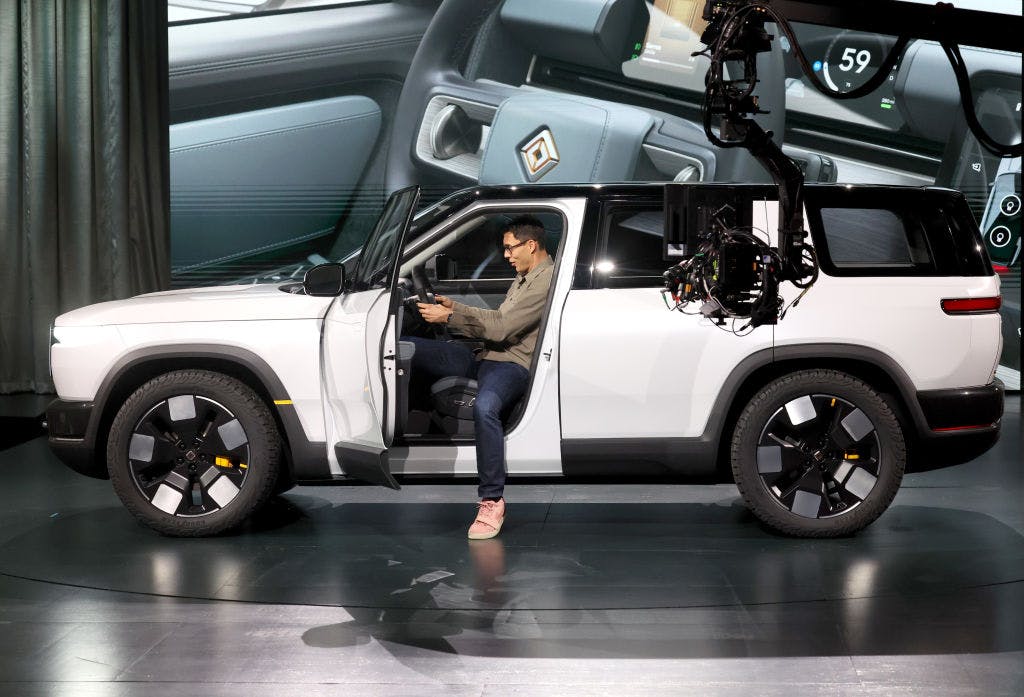
EV maker Rivian is on track to log its best trading day on record Friday, as investors pour in following its fourth-quarter earnings report and 2026 guidance and analysts issue bullish appraisals of the shares.

Rivian shares are up more than 30% on Friday afternoon, easily surpassing its previous best trading day, which came in January 2025.

“We continue to remain confident in the long-term vision that RIVN is amid a massive transformation,” Wedbush Securities’ Dan Ives wrote in a fresh note on Friday. The firm maintained its $25 price target and “outperform” outlook and said that the launch of Rivian’s upcoming lower-cost SUV, the R2, is “crucial.”

Rivian received upgrades from Deutsche Bank (to “buy” from “hold”) and UBS (to “neutral” from “sell”) following its results.

On its Thursday earnings call, Rivian said it expects its delivery volume of its existing vehicle lineup to land “roughly in line with... 2025 total volumes.” Given the automaker’s full-year delivery guidance, that statement implies 2026 R2 deliveries to land between 20,000 and 25,000 units.

Self-driving features also appear to be boosting investor optimism. On Thursday’s earnings call, CEO RJ Scaringe said the company would enable “point-to-point” driving in its vehicles later this year. In a podcast interview released Thursday, Scaringe predicted that by 2030, it will be “inconceivable to buy a car and not expect it to drive itself.” Rivian is targeting “a little sooner than that,” he added.

Rivian shares are also likely benefiting from something of a snapback: before the release of its Q4 results, Rivian shares had been hammered recently, down 38% since their recent high in December.

“We continue to remain confident in the long-term vision that RIVN is amid a massive transformation,” Wedbush Securities’ Dan Ives wrote in a fresh note on Friday. The firm maintained its $25 price target and “outperform” outlook and said that the launch of Rivian’s upcoming lower-cost SUV, the R2, is “crucial.”

Rivian received upgrades from Deutsche Bank (to “buy” from “hold”) and UBS (to “neutral” from “sell”) following its results.

On its Thursday earnings call, Rivian said it expects its delivery volume of its existing vehicle lineup to land “roughly in line with... 2025 total volumes.” Given the automaker’s full-year delivery guidance, that statement implies 2026 R2 deliveries to land between 20,000 and 25,000 units.

Self-driving features also appear to be boosting investor optimism. On Thursday’s earnings call, CEO RJ Scaringe said the company would enable “point-to-point” driving in its vehicles later this year. In a podcast interview released Thursday, Scaringe predicted that by 2030, it will be “inconceivable to buy a car and not expect it to drive itself.” Rivian is targeting “a little sooner than that,” he added.

Rivian shares are also likely benefiting from something of a snapback: before the release of its Q4 results, Rivian shares had been hammered recently, down 38% since their recent high in December.

Latest Stories

Sherwood Media, LLC produces fresh and unique perspectives on topical financial news and is a fully owned subsidiary of Robinhood Markets, Inc., and any views expressed here do not necessarily reflect the views of any other Robinhood affiliate, including Robinhood Markets, Inc., Robinhood Financial LLC, Robinhood Securities, LLC, Robinhood Crypto, LLC, or Robinhood Money, LLC.