

Power
power
Rani Molla

The Securities and Exchange Commission is suing Elon Musk — again

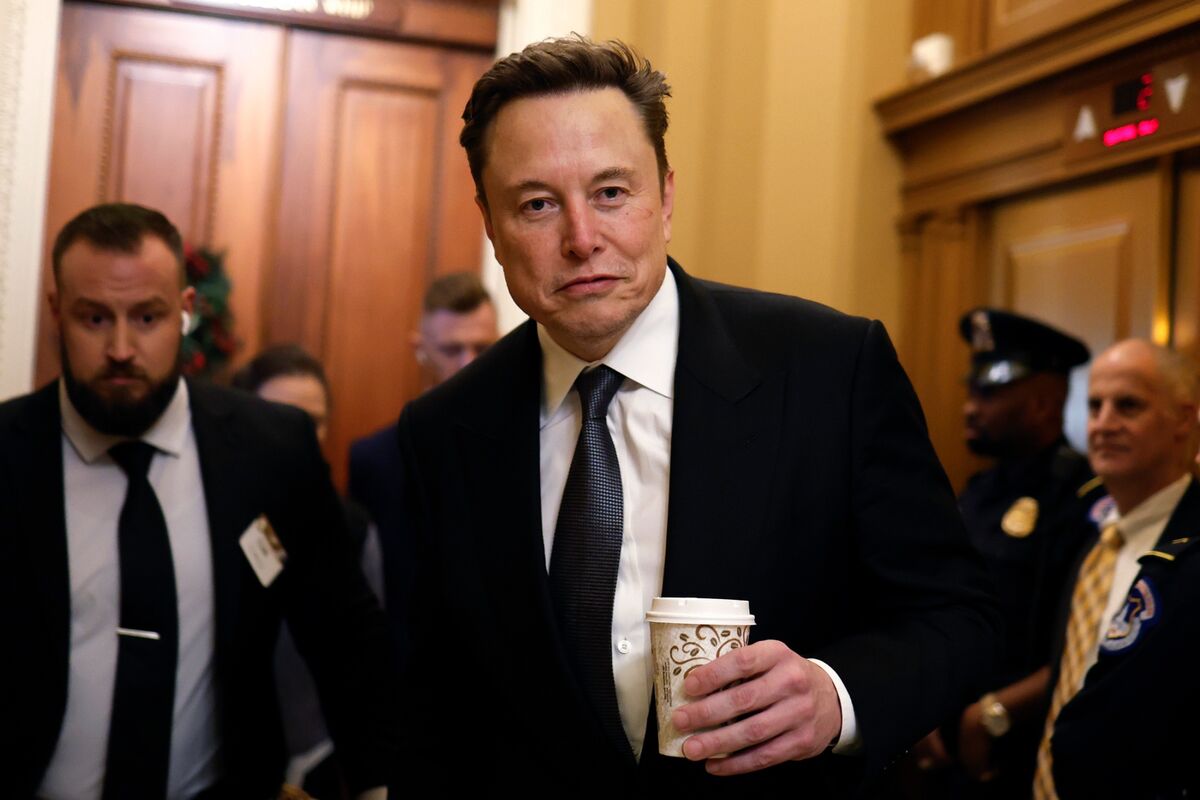
The SEC filed a lawsuit against Tesla CEO and X owner Elon Musk alleging he failed to promptly report that he’d amassed a more than 5% stake in what was then Twitter in early 2022 ahead of taking over the company. His delay, the SEC said, caused Twitter investors to lose more than $150 million, since news of his growing ownership would have driven up the stock.

This isn’t the first time Musk — who has said, “I do not respect the SEC” — has ended up in the government agency’s crosshairs over his actions in relation to a takeover bid. In 2018, the SEC charged Musk with fraud over a tweet claiming he had “funding secured” to take Tesla private at $420 per share. As part of the settlement, Musk was forced to step down as the car company’s chairman of the board, personally pay $20 million in fines, and have a securities lawyer look over potentially market-moving tweets — an order the SEC has argued hasn’t consistently been followed.

This isn’t the first time Musk — who has said, “I do not respect the SEC” — has ended up in the government agency’s crosshairs over his actions in relation to a takeover bid. In 2018, the SEC charged Musk with fraud over a tweet claiming he had “funding secured” to take Tesla private at $420 per share. As part of the settlement, Musk was forced to step down as the car company’s chairman of the board, personally pay $20 million in fines, and have a securities lawyer look over potentially market-moving tweets — an order the SEC has argued hasn’t consistently been followed.
More Power

See all Power
power
Jake Lahut

Strait of Hormuz is closed to all oil tankers and commercial ships, Iran military says

In retaliation to US strikes, the Islamic Republic of Iran announced that the Strait of Hormuz is fully closed as of early Thursday morning in Tehran.  The attacks from the US were separate from a series of retaliatory drone and missile launches overnight Tuesday into Wednesday.

President Donald Trump told Fox News in a phone interview on Wednesday night that "the bombing will stop soon," but if Iran doesn't sign the agreement put forward by special envoys Steve Witkoff and Jared Kushner, "We'll bomb the shit out of them tomorrow night."

When asked whether the ceasefire still stands, Trump described it as "the most violated ceasefire in the history of the world," according to Fox News.

According to Al Jazeerah, Iran’s Mehr news agency reported that Iran's joint military command specified that any oil tankers or other commercial vessels will be attacked if they attempt to cross the strait.

This is the second day in a row hostilities have resumed to a level not seen since the early April ceasefire was announced.

US CENTCOM announced the series of strikes beginning at 5:15 P.M. ET on Wednesday, which Secretary of Defense Pete Hegseth previewed in on-camera remarks, promising to “strike ‘em hard tonight” before later claiming he would not broadcast whether the military would take any action.

Shortly after the announcement on the closure of the Strait of Hormuz to all commercial vessel traffic, Iranian state media reported two ships attempting to cross were attacked.

This story is developing.

When asked whether the ceasefire still stands, Trump described it as "the most violated ceasefire in the history of the world," according to Fox News.

According to Al Jazeerah, Iran’s Mehr news agency reported that Iran's joint military command specified that any oil tankers or other commercial vessels will be attacked if they attempt to cross the strait.

This is the second day in a row hostilities have resumed to a level not seen since the early April ceasefire was announced.

US CENTCOM announced the series of strikes beginning at 5:15 P.M. ET on Wednesday, which Secretary of Defense Pete Hegseth previewed in on-camera remarks, promising to “strike ‘em hard tonight” before later claiming he would not broadcast whether the military would take any action.

Shortly after the announcement on the closure of the Strait of Hormuz to all commercial vessel traffic, Iranian state media reported two ships attempting to cross were attacked.

This story is developing.

power
Jake Lahut

United States and Iran trade retaliatory strikes, escalating war and rattling ceasefire

The war in Iran is heating back up. Overnight, both sides have been trading hostilities in a series of retaliations to other retaliations.

It marks the most robust escalation in combat since the April 8 ceasefire announcement.

Oil prices were little changed, with Brent crude futures down 0.48% as of 5:30 a.m. ET. At the same time, S&P 500 futures were down nearly 0.7% and the tech-heavy Nasdaq Composite had slipped 1.18%, as the escalations compounded a broader AI sell-off.

Travel stocks, like United Airlines and Royal Caribbean, which got a boost on Tuesday as oil prices fell, lost some of those gains in premarket trading. Meanwhile, oil giants such as Chevron and Exxon ticked higher and chipmakers such as Arm Holdings and Micron continued to slip.

The escalation ladder began ratcheting back up when Iran shot down an American helicopter with a drone while it was patrolling the Strait of Hormuz, a US official told NBC News. US forces then conducted strikes in Iran’s Qeshm Island, Sirik, Jask, and Bandar Abbas, according to Al Jazeera. In response, Iran attacked a US fleet in Bahrain, Al Jazeera also reported.

“The Iranians are trying to make clear that any attack on them would be responded to, regardless of the size and the scope,” Trita Parsi of the Quincy Institute for Responsible Statecraft in the US told Al Jazeera. “Now, of course, whether they are seeking to escalate the situation or de-escalate remains to be seen, and it will be very much measured by how they calibrated their response by attacking these US bases.”

The scope of the strikes and counterstrikes broadened out as of early Wednesday morning in Iran. Kuwait activated its air defense systems to intercept strikes, its army announced.

Mohamed Vall, a reporter for Al Jazeera reporting from inside Iran, described “a lot of activity in terms of air defence by the Iranians, and they talked about the downing of a helicopter, an American MQ-9 [drone] over Bushehr. So that gives you an idea about the scope of these attacks and counterattacks, or these retaliations across the Strait of Hormuz and the Gulf region tonight.”

Iran’s IRGC also reported targeting a hangar for American F-35 jets in Jordan, Al Jazeera reported.

Oil prices were little changed, with Brent crude futures down 0.48% as of 5:30 a.m. ET. At the same time, S&P 500 futures were down nearly 0.7% and the tech-heavy Nasdaq Composite had slipped 1.18%, as the escalations compounded a broader AI sell-off.

Travel stocks, like United Airlines and Royal Caribbean, which got a boost on Tuesday as oil prices fell, lost some of those gains in premarket trading. Meanwhile, oil giants such as Chevron and Exxon ticked higher and chipmakers such as Arm Holdings and Micron continued to slip.

The escalation ladder began ratcheting back up when Iran shot down an American helicopter with a drone while it was patrolling the Strait of Hormuz, a US official told NBC News. US forces then conducted strikes in Iran’s Qeshm Island, Sirik, Jask, and Bandar Abbas, according to Al Jazeera. In response, Iran attacked a US fleet in Bahrain, Al Jazeera also reported.

“The Iranians are trying to make clear that any attack on them would be responded to, regardless of the size and the scope,” Trita Parsi of the Quincy Institute for Responsible Statecraft in the US told Al Jazeera. “Now, of course, whether they are seeking to escalate the situation or de-escalate remains to be seen, and it will be very much measured by how they calibrated their response by attacking these US bases.”

The scope of the strikes and counterstrikes broadened out as of early Wednesday morning in Iran. Kuwait activated its air defense systems to intercept strikes, its army announced.

Mohamed Vall, a reporter for Al Jazeera reporting from inside Iran, described “a lot of activity in terms of air defence by the Iranians, and they talked about the downing of a helicopter, an American MQ-9 [drone] over Bushehr. So that gives you an idea about the scope of these attacks and counterattacks, or these retaliations across the Strait of Hormuz and the Gulf region tonight.”

Iran’s IRGC also reported targeting a hangar for American F-35 jets in Jordan, Al Jazeera reported.

power

New York legislature passes 1-year data center moratorium

The New York state legislature has passed a one-year ban on large data centers in the state.

The bill now heads to Gov. Kathy Hochul’s desk, where it faces an uncertain fate. If Hochul signs the bill, it would become the first such statewide ban to succeed in becoming law.

That’s far from certain, as Hochul has opposed state-level legislation over data centers. In May, Hochul said, “This is a local decision for municipalities, its land use, which is the purview of local governments. It’s not a statewide approach necessarily, but its something Im looking at intensely.”

In April, Maine Gov. Janet Mills vetoed a similar statewide moratorium on data centers.

Opposition to data centers is growing rapidly across the US. A federal data center moratorium bill was introduced in March, and at least 14 states have proposed pauses on data center construction, according to the National Conference of State Legislatures.

That’s far from certain, as Hochul has opposed state-level legislation over data centers. In May, Hochul said, “This is a local decision for municipalities, its land use, which is the purview of local governments. It’s not a statewide approach necessarily, but its something Im looking at intensely.”

In April, Maine Gov. Janet Mills vetoed a similar statewide moratorium on data centers.

Opposition to data centers is growing rapidly across the US. A federal data center moratorium bill was introduced in March, and at least 14 states have proposed pauses on data center construction, according to the National Conference of State Legislatures.

EU Commission Vice-President Virkkunen and Commissioner Jorgensen hold press conference

EU proposes “tech sovereignty package” to bolster domestic AI and chip industries

Europe is hastening its breakup with US tech as the Trump administration’s grip on American tech companies tightens.

power

White House releases watered-down executive order on AI

The White House released a weakened executive order on AI on Tuesday, a little more than a week after killing a previous version of the order after what was reportedly intense, direct lobbying of the Oval Office by tech executives.

The order’s most significant change to what was reported in late May is a shortened window of voluntary government review of new models from 90 days to 30 days.

After Anthropic’s Mythos model spooked companies and governments around the world, the White House was reportedly ready to respond with an executive order that would have given the government access to unreleased frontier models for up to 90 days before public release, to ensure safety.

Top AI companies were briefed on the proposed executive order, and a White House event with an extensive roster of tech executives was ready to go, but it was killed at the last minute, according to reports. Axios reported that last-minute lobbying by former White House AI and Crypto Czar David Sacks, along with other tech executives, helped convince President Trump to kill the order. Trump told reporters, “I didn’t like certain aspects of it. I postponed it.”

The now finalized order calls for the creation of an “AI cybersecurity clearinghouse” in concert with the AI industry, and directs national security agencies to develop and maintain a “classified benchmarking process” to review the capabilities of new frontier models.

After Anthropic’s Mythos model spooked companies and governments around the world, the White House was reportedly ready to respond with an executive order that would have given the government access to unreleased frontier models for up to 90 days before public release, to ensure safety.

Top AI companies were briefed on the proposed executive order, and a White House event with an extensive roster of tech executives was ready to go, but it was killed at the last minute, according to reports. Axios reported that last-minute lobbying by former White House AI and Crypto Czar David Sacks, along with other tech executives, helped convince President Trump to kill the order. Trump told reporters, “I didn’t like certain aspects of it. I postponed it.”

The now finalized order calls for the creation of an “AI cybersecurity clearinghouse” in concert with the AI industry, and directs national security agencies to develop and maintain a “classified benchmarking process” to review the capabilities of new frontier models.

Latest Stories

Sherwood Media, LLC and Chartr Limited produce fresh and unique perspectives on topical financial news and are fully owned subsidiaries of Robinhood Markets, Inc., and any views expressed here do not necessarily reflect the views of any other Robinhood affiliate, including Robinhood Markets, Inc., Robinhood Financial LLC, Robinhood Securities, LLC, Robinhood Crypto, LLC, Robinhood Money, LLC, Robinhood U.K. Ltd, Robinhood Derivatives, LLC, Robinhood Gold, LLC, Robinhood Asset Management, LLC, Robinhood Credit, Inc., Robinhood Ventures DE, LLC and, where applicable, its managed investment vehicles.