

Tech
tech
Rani Molla

Bloomberg: Acquihiring could lead to... more public companies?

One month after Meta “acquihired” Scale AI in a $14.3 billion “strategic partnership and investment” deal that bought the social media giant Scale’s CEO, a 49% stake in the AI data-labeling company, and privileged access to the company’s technology, the husk of Scale AI is laying off 200 employees — 14% of its workforce — as well as ending its relationship with 500 contractors.

It’s a common story these days as Big Tech firms look to buy up others’ innovation without angering antitrust watchdogs — a move that results in gutted private companies and the increased consolidation of power in Big Tech. Another recent example: Google’s poaching of many executives from Windsurf, which prompted OpenAI’s planned $3 billion acquisition of the AI coding startup to fall apart (followed by a separate deal with Cognition).

Bloomberg Opinion, though, has a highly optimistic — if highly unlikely — take: the acquihiring trend could actually be a good thing because it could force venture capital to invest in firms that have better business models more suited to going public, in an effort to make slightly more money than they do from firms that are acquihired, and by extension would create more public companies and more competition for Big Tech.

“Instead of pushing startups to get the highest possible valuation for a sale, VCs in an acquihiring market would prefer firms with a greater chance of running a long-term business and floating on the public markets. Strategic sales to Big Tech have always offered a premium over IPOs, but when such sales are less likely, going public becomes the more viable option. That could put venture investors on the hunt for startups with more sustainable businesses, not just those with a pitch deck promising hockey-stick growth and a total addressable market the size of Canada.”

Sure!

Asking VCs to shift away from potential “hockey stick growth” companies is completely antithetical to their raison d’être. So too is asking superstar employees not to look a gift horse in the mouth.

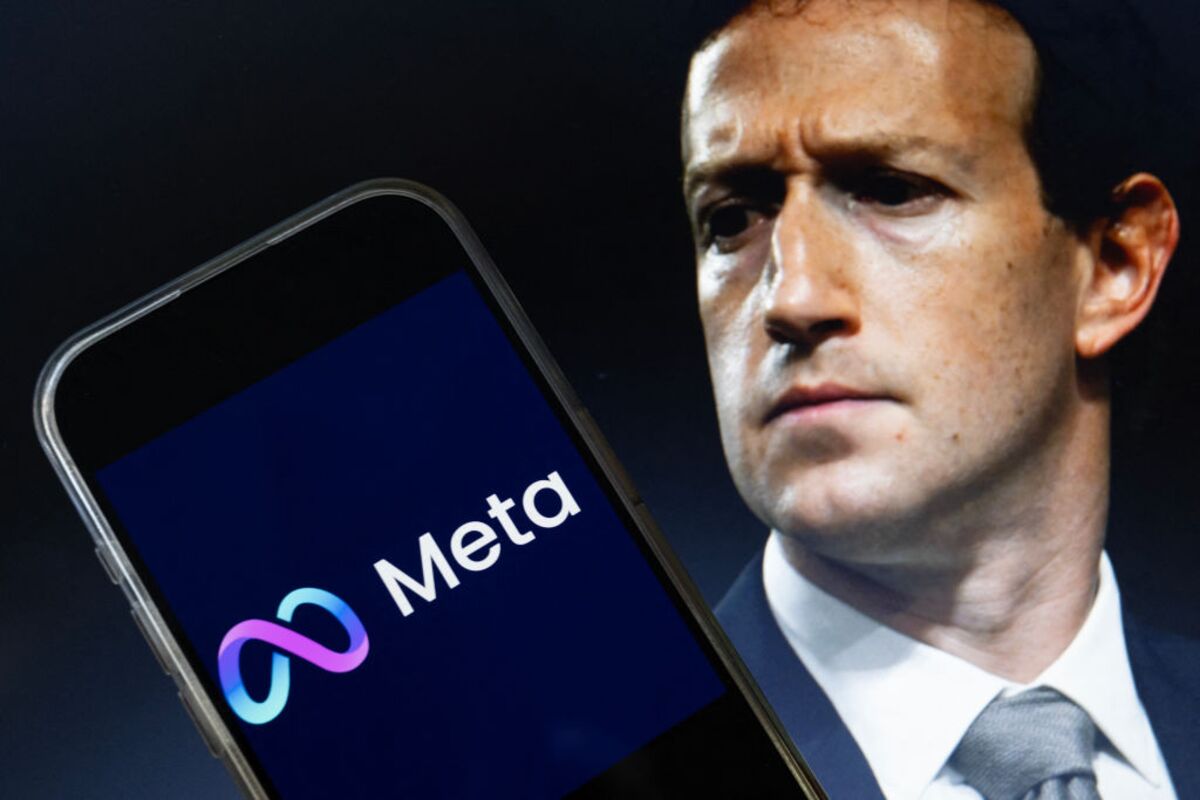
It’s a common story these days as Big Tech firms look to buy up others’ innovation without angering antitrust watchdogs — a move that results in gutted private companies and the increased consolidation of power in Big Tech. Another recent example: Google’s poaching of many executives from Windsurf, which prompted OpenAI’s planned $3 billion acquisition of the AI coding startup to fall apart (followed by a separate deal with Cognition).

Bloomberg Opinion, though, has a highly optimistic — if highly unlikely — take: the acquihiring trend could actually be a good thing because it could force venture capital to invest in firms that have better business models more suited to going public, in an effort to make slightly more money than they do from firms that are acquihired, and by extension would create more public companies and more competition for Big Tech.

“Instead of pushing startups to get the highest possible valuation for a sale, VCs in an acquihiring market would prefer firms with a greater chance of running a long-term business and floating on the public markets. Strategic sales to Big Tech have always offered a premium over IPOs, but when such sales are less likely, going public becomes the more viable option. That could put venture investors on the hunt for startups with more sustainable businesses, not just those with a pitch deck promising hockey-stick growth and a total addressable market the size of Canada.”

Sure!

Asking VCs to shift away from potential “hockey stick growth” companies is completely antithetical to their raison d’être. So too is asking superstar employees not to look a gift horse in the mouth.

More Tech

See all Tech
US-TECHNOLOGY-AI-GOOGLE

Google announces new models, glasses, agents, but investors are not impressed

At Google’s I/O developer conference, the company announced a bevy of new products, but none of it helped the stock one bit.

tech

Report: Tesla to build solar factory near Houston

Tesla is planning to build its solar panel manufacturing plant — an endeavor that could add up to $50 billion in value to its energy business — near Houston, Texas, Electrek reports. The plant would be located on the same site as its Megafactory, which builds Megapack battery systems.

The solar plant is part of Tesla and SpaceX’s goal of eventually putting solar-powered data centers in space.

On the company’s fourth-quarter earnings call, CEO Elon Musk said Tesla was “going to work towards getting 100 gigawatts a year of solar cell production, integrating across the entire supply chain from raw materials all the way to finished solar panels.”

At the time, the news had sent shares of First Solar down, but subsequent reports suggest Tesla is unlikely to compete directly with the country’s leading photovoltaic panel maker, instead using much of that production internally.

On the company’s fourth-quarter earnings call, CEO Elon Musk said Tesla was “going to work towards getting 100 gigawatts a year of solar cell production, integrating across the entire supply chain from raw materials all the way to finished solar panels.”

At the time, the news had sent shares of First Solar down, but subsequent reports suggest Tesla is unlikely to compete directly with the country’s leading photovoltaic panel maker, instead using much of that production internally.

tech

Anthropic hires former OpenAI member and Tesla AI director Andrej Karpathy

Andrej Karpathy — a founding member of OpenAI, Tesla’s director of AI from 2017 to 2022, and the man responsible for the term “vibe coding” — is doing what many in tech are doing right now: heading to greener pastures at Anthropic.

Anthropic, which is slated to go public this year, recently raised money at a $950 billion valuation, making it more valuable than OpenAI and nearly as valuable as Tesla.

“governments around the world will not allow Apple junk fees to stand”

Epic Games has returned Fortnite to the Apple App Store globally, after the video game maker signaled confidence in its ongoing lawsuit with the iPhone maker. In a press release Tuesday, the company wrote:

“Fortnite is returning to the App Store now because we are confident that once Apple is forced to show its costs, governments around the world will not allow Apple junk fees to stand.

We will continue to challenge Apple’s anticompetitive App Store practices of banning alternative app stores and competition in payments.”

Late last year, an appeals court partly reversed sanctions against Apple but upheld the contempt finding and an injunction forcing Apple to permit outside payment options. Fortnite returned to the US App Store a year ago.

The suit began in 2020 over Apple’s mandatory 30% commission on in-app purchases and its refusal to allow third-party payment processors or alternative app stores on its mobile devices.

Latest Stories

Sherwood Media, LLC and Chartr Limited produce fresh and unique perspectives on topical financial news and are fully owned subsidiaries of Robinhood Markets, Inc., and any views expressed here do not necessarily reflect the views of any other Robinhood affiliate, including Robinhood Markets, Inc., Robinhood Financial LLC, Robinhood Securities, LLC, Robinhood Crypto, LLC, Robinhood Money, LLC, Robinhood U.K. Ltd, Robinhood Derivatives, LLC, Robinhood Gold, LLC, Robinhood Asset Management, LLC, Robinhood Credit, Inc., Robinhood Ventures DE, LLC and, where applicable, its managed investment vehicles.
