

Garbage Day
TikTok’s hottest product
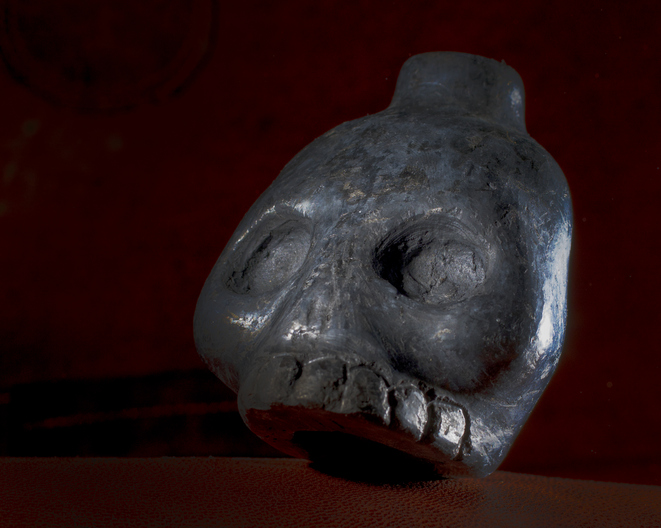
How the Aztec Death Whistle came to dominate TikTok
The platform is trying to make "Shop" happen.
At the top of the TikTok iceberg, the most popular hashtags tend to be fairly boring. For instance, over the past few months, there have been only a few hashtags with over a billion video views in the US, and they were largely things like #blonde, #piano, and #easter.
Which makes sense, considering there were over 150 million Americans using TikTok as of last year. If you really dig through what those people are actually posting, the majority of it is not exactly groundbreaking content: Easter outfits, piano students showing off, blonde people sharing their haircare routines. TikTok is giving a window into people’s lives, and people’s lives tend to be normal.
Then last month something funny happened: The fifth-most-used hashtag in the US was #aztecdeathwhistle. But what is the Aztec death whistle, and why did it become one of the most popular hashtags on TikTok? Well, it’s all connected to TikTok’s new marketplace feature.
TikTok Shop, as it’s called, is now big enough to shift the app’s algorithm — and important enough to shift the algorithm around that. Beyond changing what kind of content goes viral on the app, it’s also having profound ripples on e-commerce across the web. And, at least in theory, it’s making a handful of opportunistic users some real money.
TikTok started testing TikTok Shop in 2022 and officially launched the feature last September. If you use TikTok, you’ve noticed its effects. The New York Times reported TikTok was “actively driving videos with shopping buttons into users’ feeds” and quoted an executive who described their strategy as “very aggressive.”
That aggression has manifested in feeds overrun with Shop videos, which are distinct from the regular video ads that TikTok already inserts into the app. Also, Shop videos aren’t even classified as ads. Instead, they slide natively into your For You page with a button that takes users to a product page. Sara Friedman, writing for The Hustle, described the trend as TikTok “going the way of QVC.”
According to a year’s worth of data pulled from TikTok’s public analytics page, if a trend involves a product available on TikTok Shop, that product can get supercharged beyond conventional reach. Data’s been difficult to collect since February, when the app stopped reporting view counts for any hashtags not in the top 100, but those top 100 have shifted dramatically toward brands with heavy Shop presences, like #momcozy or #drunkelephant.
These brands are for niche audiences — Momcozy is a maternity brand and Drunk Elephant is a skin-care company that specializes in antiaging products — but the algorithm has driven so much attention to them that we’ve seen preteens cramming their carts with expensive skin-care products not recommended for people under 25.
The Aztec death whistle took over the platform the same way in April. The original “Aztec death whistles” were traditional musical instruments shaped like skulls. In the 2000s, archaeologists recreated the instruments and found making them larger created a sound uncannily like a person screaming. If you’ve been to a tourist attraction in Mexico recently, there’s a good chance you’ve heard one.
Because of the whistles’ creepypasta-adjacent origin, memorable design, and bloodcurdling tone, TikTok users have long held a fascination with them. They’re also popular because, thanks to the app prioritizing popular sounds, audio matters on TikTok. It’s not surprising a little whistle that makes a spooky sound would do so well. The earliest TikTok of the whistle to crack a million views was posted back in January 2021.
But TikTok virality doesn’t exist in a vacuum. Not only do TikTok trends affect the larger internet, but they’re more often than not started by something happening beyond the scope of the app. The biggest trends are usually reacting to a screenshot of an X post or a news article before they properly take off. The famous Stanley water bottle first got attention from a review website called The Buy Guide before it spread to TikTok. In this case, a YouTube video from September 2023 brought a new wave of attention to the Aztec death whistle, which coincided perfectly with the introduction of TikTok Shop. In the weeks after the video, multiple TikToks with links to buy the whistles gained major attention.
Not only do TikTok trends affect the larger internet, but they’re more often than not started by something happening beyond the scope of the app.
As for why the whistle has blown up now, after months of percolating deep inside the lower layers of TikTok, it was finally pushed over the edge by Jynxzi (real name Nicholas Stewart), the streamer with the most subscribers on Twitch. In March, he was sent a death whistle by a fan and tried it out during a livestream. The video was clipped for TikTok on March 29, received over a million likes, and sent the whistles cascading into thousands of For You pages.
But, funnily enough, the most popular videos featuring death whistles weren’t clipped from Jynxzi’s stream. They came from creators who have TikTok Shop links to their own whistles.
Some of these creator accounts existed before Jynxzi’s video, and some were created in the following days to cash in, like The Death Whistle, which posted its first video on April 2. It’s easy to see how the trend started (October is Halloween season, a perfect time to buy something skull-shaped), and it’s just as easy to see that the whistles’ popularity has now been inflated after months of TikTok prioritizing videos with Shop links. But the most important question is what does this virality ultimately amount to? How many whistles are actually being purchased?
The most popular whistle, sold by user Why Not Build It?, has sold over 900 units. While we don’t have a timeline of sales, of the whistle’s 96 customer reviews, 34 are from after Jynxzi’s video went viral, which suggests a little over a third were sold since then — not great.
At $16 each, that’s a little over $15,000 total. And while some creators are making thousands of dollars from TikTok Shop already, TikTok takes a fee on all these sales, as much as 8%. So it makes sense that they’re flooding your feed with Shop videos, and those videos are doing well right now. Though the truth may be that TikTok hype isn’t worth all that much to creators, vendors, or anyone but the app itself.
Garbage Day is an award-winning newsletter that focuses on web culture and technology, covering a mix of memes, trends, and internet drama. We also run a program called Garbage Intelligence, a monthly report tracking the rise and fall of creators and accounts across every major platform on the web. And we'll be sharing some of our findings here in Sherwood. You can subscribe to Garbage Day here.




