


Meta breaks ground on massive $10 billion AI data center — and the costs won’t stop there
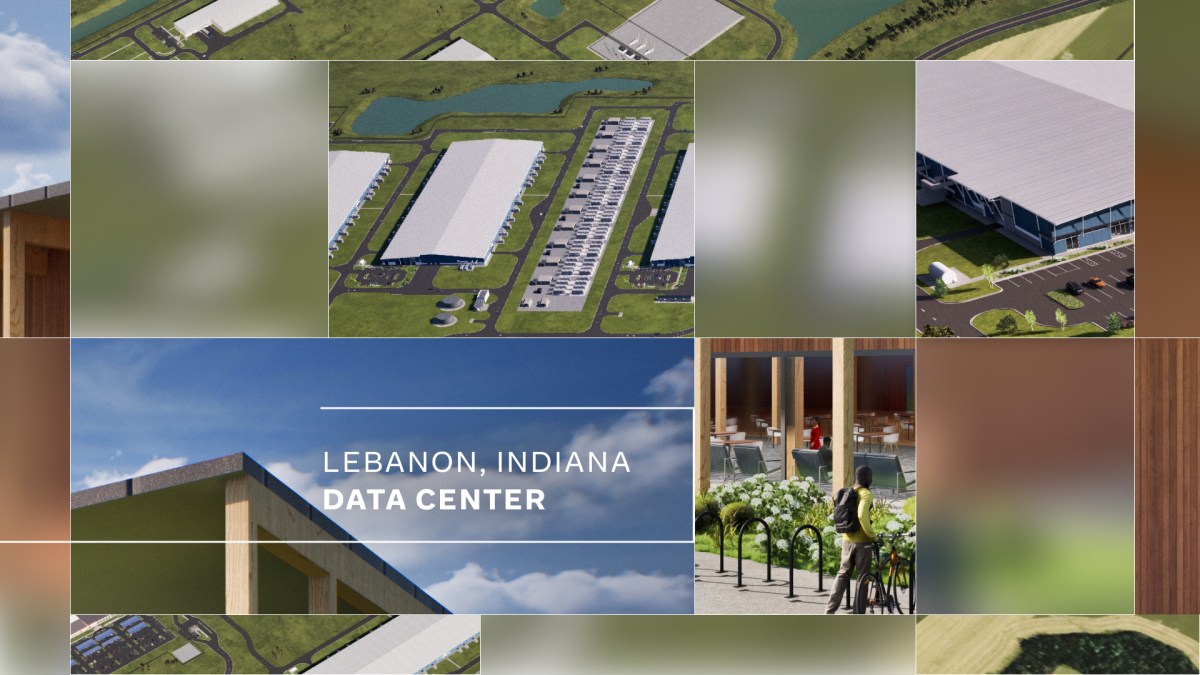
Meta announced today that it broke ground on a new, giant AI data center. This one is located in Indiana, has 1 gigawatt of capacity, and will cost more than $10 billion.
In a press release, the company touted the 4,000 construction jobs and 300 operational positions Meta expects to bring to the area. It did not disclose any tax incentives tied to the project.
But much like with the company’s Hyperion data center in Louisiana — where we calculated incentives in the billions — the number of long-term jobs is likely small relative to any public subsidies the company ultimately receives.
The $10 billion build represents a notable chunk of Meta’s planned $115 billion to $135 billion in capital expenditure this year. And operating costs will add substantially to that total over time.
Earlier this year, President Trump warned tech giants to “pay their own way” when it comes to energy, as data centers have driven up electricity costs in some regions. Meta’s announcement appears to anticipate that criticism, dedicating significant space to explaining how it will mitigate the energy and water impact of the facility:
“With all our data centers, we strive to be good neighbors. We pay the full costs for energy used by our data centers and work closely with utilities to plan for our energy needs years in advance to ensure residents aren’t negatively impacted. To help support local families in need, we’re providing $1 million each year for 20 years to the Boone REMC Community Fund to provide direct assistance with energy bills, and funding emergency water utility assistance through The Caring Center. We also pay the full cost of water and wastewater service required to support our data centers. Over the course of this project, Meta will make investments of more than $120 million, toward critical water infrastructure in Lebanon, as well as other public infrastructure improvements including roads, transmission lines and utility upgrades.”
Unlike hyperscalers such as Google and Microsoft, which can offset infrastructure costs by selling cloud capacity to customers, Meta bears those expenses largely on its own. That dynamic could make the economics of AI infrastructure more challenging for the company as its AI spending continues to accelerate.
But much like with the company’s Hyperion data center in Louisiana — where we calculated incentives in the billions — the number of long-term jobs is likely small relative to any public subsidies the company ultimately receives.
The $10 billion build represents a notable chunk of Meta’s planned $115 billion to $135 billion in capital expenditure this year. And operating costs will add substantially to that total over time.
Earlier this year, President Trump warned tech giants to “pay their own way” when it comes to energy, as data centers have driven up electricity costs in some regions. Meta’s announcement appears to anticipate that criticism, dedicating significant space to explaining how it will mitigate the energy and water impact of the facility:
“With all our data centers, we strive to be good neighbors. We pay the full costs for energy used by our data centers and work closely with utilities to plan for our energy needs years in advance to ensure residents aren’t negatively impacted. To help support local families in need, we’re providing $1 million each year for 20 years to the Boone REMC Community Fund to provide direct assistance with energy bills, and funding emergency water utility assistance through The Caring Center. We also pay the full cost of water and wastewater service required to support our data centers. Over the course of this project, Meta will make investments of more than $120 million, toward critical water infrastructure in Lebanon, as well as other public infrastructure improvements including roads, transmission lines and utility upgrades.”
Unlike hyperscalers such as Google and Microsoft, which can offset infrastructure costs by selling cloud capacity to customers, Meta bears those expenses largely on its own. That dynamic could make the economics of AI infrastructure more challenging for the company as its AI spending continues to accelerate.

.gif)