Tech
Microsoft Celebrates Its 50th Anniversary With Copilot AI Event
(Stephen Brashear/Getty Images)
FUNGIBLE FLEET

Microsoft: Forget what we said, we are going to keep spending on capex

Last quarter, the company offered guidance that its capex spending would be lower in the second half of the fiscal year. Yesterday it said spending would go up.

Jon Keegan

Yesterday, Microsoft beat earnings and revenue expectations for its first-quarter fiscal year 2026 results. The company delivered another strong quarter, largely in line with last quarter’s results. Investors weren’t exactly pleased, and today the stock is down over 3%. They may have been spooked by talk of even more huge capital expenditure spending.

Microsoft’s closely watched capex spending for the quarter came in at $34.9 billion, a 74% increase year on year. That’s a significant bump, especially considering that last quarter, the company was telling investors that capex growth would be slowing in the second half of fiscal year 2026 (which starts in July).

Microsoft CFO Amy Hood said on the earnings call (emphasis ours):

“With accelerating demand and a growing RPO balance, we’re increasing our spend on GPUs and CPUs. Therefore, total spend will increase sequentially, and we now expect the FY26 growth rate to be higher than FY25. As a reminder, there can be quarterly spend variability from cloud infrastructure build-outs and the timing of delivery of finance leases.”

The “RPO” she is speaking of refers to “remaining performance obligations,” or contracted business that has not yet been realized. It’s a signal of strong demand, and the way you meet that demand is to build more computing capacity, which means higher capex spending.

Microsoft finds itself with $392 billion in RPO, which is up 51% year on year, so demand is indeed rising.

“We will increase our total AI capacity by over 80% this year, and roughly double our total data center footprint over the next two years, reflecting the demand signals we see,” Microsoft CEO Satya Nadella said.

Nadella said the company is building a “fungible fleet” of AI infrastructure globally, and deployed “the world’s first large scale cluster of Nvidia GB300s,” the latest and most powerful chips that Nvidia has on the market. Microsoft currently has over 400 data centers around the globe.

Microsoft also revealed on the call that the company’s earnings net income took a $3.1 billion hit due to its investment in OpenAI. Now that OpenAI’s restructuring is complete, Microsoft’s stake is worth around $135 billion, or about 27% of the company.

OpenAI has also committed to $250 billion worth of spending with its Azure cloud platform, money that was not included in this quarter’s earnings.

More Tech

See all Tech
tech

Tesla CEO Elon Musk is getting back into politics

Tesla CEO Elon Musk is cutting big checks to the GOP for the midterm elections as he dives back into politics, Axios reports.

Students of history might remember when Tesla’s stock tanked in the first half of the year thanks in part to Musk’s political machinations with DOGE. Or when Musk’s beef with the president of the United States sent the stock down sharply — twice. Or when Musk formed a competing third political party that also hurt the stock.

When Tesla’s board of directors laid out his latest humongous pay package, which has since been approved by shareholders, they said it was “critical” that it “receive assurances that Musk’s involvement with the political sphere would wind down in a timely manner.”

At the same time, they didn’t really put any guardrails in place to make sure that happened. And here we are!

When Tesla’s board of directors laid out his latest humongous pay package, which has since been approved by shareholders, they said it was “critical” that it “receive assurances that Musk’s involvement with the political sphere would wind down in a timely manner.”

At the same time, they didn’t really put any guardrails in place to make sure that happened. And here we are!

tech

Report: OpenAI and Mattel hit pause on AI toys

This summer, OpenAI and Mattel announced a deal to bring AI-powered toys and games to market. According to a new report from Axios, those plans are currently on hold.

Recently, stories have emerged of how potentially dangerous AI-powered toys can be when the proper guardrails have not been put in place.

OpenAI has faced increased scrutiny of its safety mechanisms for chatbots after several tragic failures that led to deaths. Congress is starting to examine the psychological risks of AI use by those with mental health issues, and children’s use of AI companions.

OpenAI has faced increased scrutiny of its safety mechanisms for chatbots after several tragic failures that led to deaths. Congress is starting to examine the psychological risks of AI use by those with mental health issues, and children’s use of AI companions.

tech

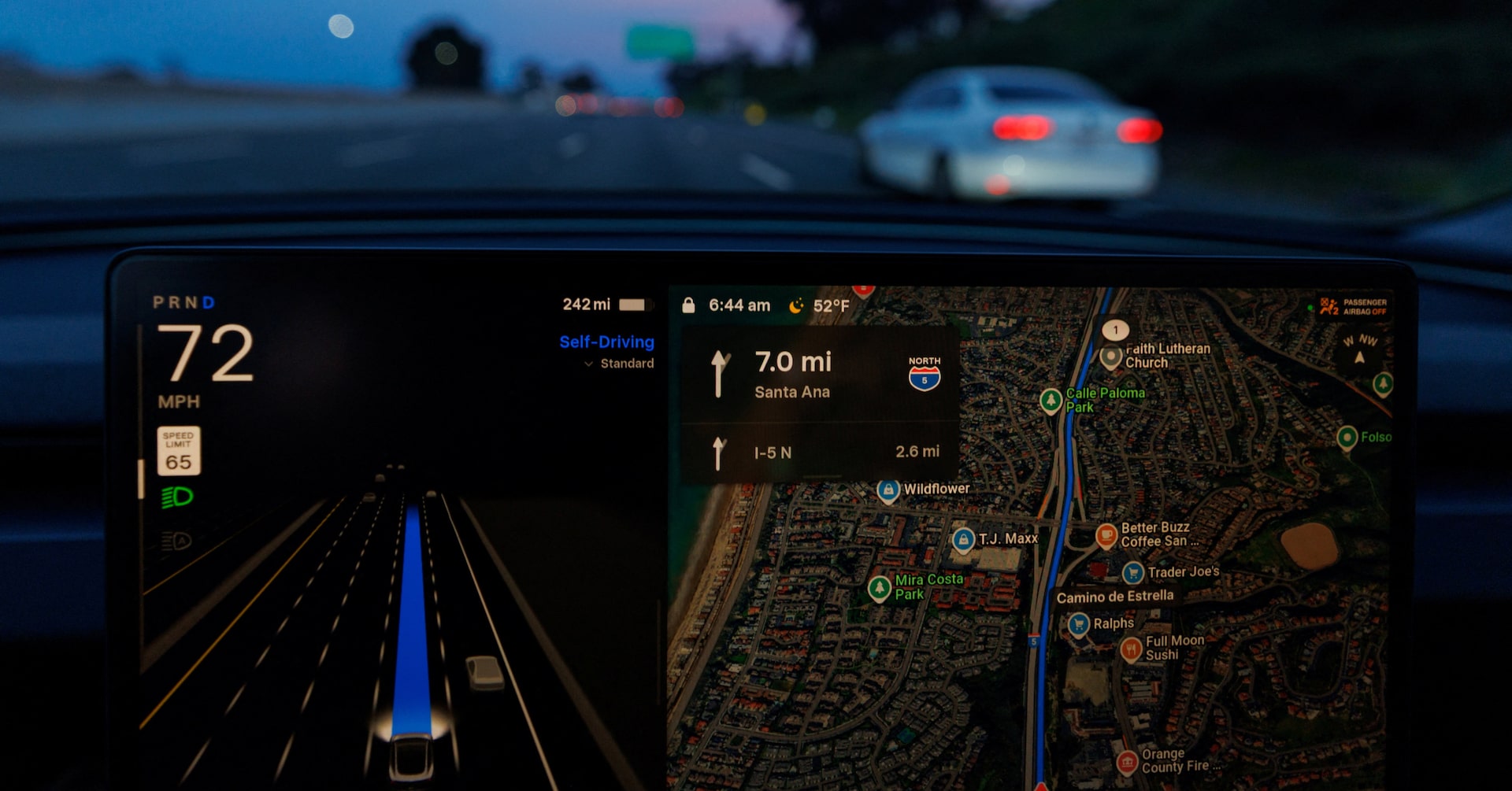
Tesla’s 29 Austin Robotaxis have crashed 8 times since June, as data suggests they perform much worse than human drivers

Tesla’s 29 Austin Robotaxis have been involved in eight crashes since they launched in June, Electrek reports, citing National Highway Traffic Safety Administration data you can download here. Those crashes for the most part involved property damage, and only in one case led to a minor injury. Notably, the crashes occurred with a safety monitor in the front seat.

As Electrek notes, that data suggests Tesla Robotaxis are crashing once every 40,000 miles, whereas the average human driver in the US crashes about once every 500,000 miles. On Tesla’s Full Self-Driving page, the company claims vehicles with the technology engaged have 7x fewer major and minor collisions — a claim that experts like Carnegie Mellon’s Phil Koopman have said doesn’t stand up to scrutiny.

Over the weekend, Tesla began testing two more Robotaxis without those safety monitors, in hopes of achieving CEO Elon Musk’s latest goal of removing them from the Austin fleet by year’s end.

As Electrek notes, that data suggests Tesla Robotaxis are crashing once every 40,000 miles, whereas the average human driver in the US crashes about once every 500,000 miles. On Tesla’s Full Self-Driving page, the company claims vehicles with the technology engaged have 7x fewer major and minor collisions — a claim that experts like Carnegie Mellon’s Phil Koopman have said doesn’t stand up to scrutiny.

Over the weekend, Tesla began testing two more Robotaxis without those safety monitors, in hopes of achieving CEO Elon Musk’s latest goal of removing them from the Austin fleet by year’s end.

tech

Corporate sales aren’t going well for xAI’s Grok

The race for AI is not just about who has the highest-scoring model, the biggest data center, or the most GPUs. AI companies are trying to build viable businesses with enough annual revenue to someday help offset today’s massive capital expenditures as they build out AI infrastructure.

According to a new report from The Information, xAI’s latest efforts to sell its Grok model to Corporate America aren’t going great — unless it’s a business with ties to CEO Elon Musk (though even Tesla shareholders aren’t completely sold on xAI).

The company has raised $27 billion in debt and equity, and the top source of revenue are subscriptions that cost $30 per month for “SuperGrok.” The company is building out an enterprise sales team to try and make up for its lack of experience selling to businesses, per the report.

Competitors Anthropic and OpenAI have developed major revenue streams from sales to businesses.

Grok’s high-profile controversies, such as the “MechaHitler” episode and its scantily clad anime AI companions, might be sending the wrong messages to Corporate America.

The company has raised $27 billion in debt and equity, and the top source of revenue are subscriptions that cost $30 per month for “SuperGrok.” The company is building out an enterprise sales team to try and make up for its lack of experience selling to businesses, per the report.

Competitors Anthropic and OpenAI have developed major revenue streams from sales to businesses.

Grok’s high-profile controversies, such as the “MechaHitler” episode and its scantily clad anime AI companions, might be sending the wrong messages to Corporate America.

Latest Stories

Sherwood Media, LLC produces fresh and unique perspectives on topical financial news and is a fully owned subsidiary of Robinhood Markets, Inc., and any views expressed here do not necessarily reflect the views of any other Robinhood affiliate, including Robinhood Markets, Inc., Robinhood Financial LLC, Robinhood Securities, LLC, Robinhood Crypto, LLC, or Robinhood Money, LLC.