Tech
tech
Rani Molla

OpenAI wants to buy Google’s Chrome, too

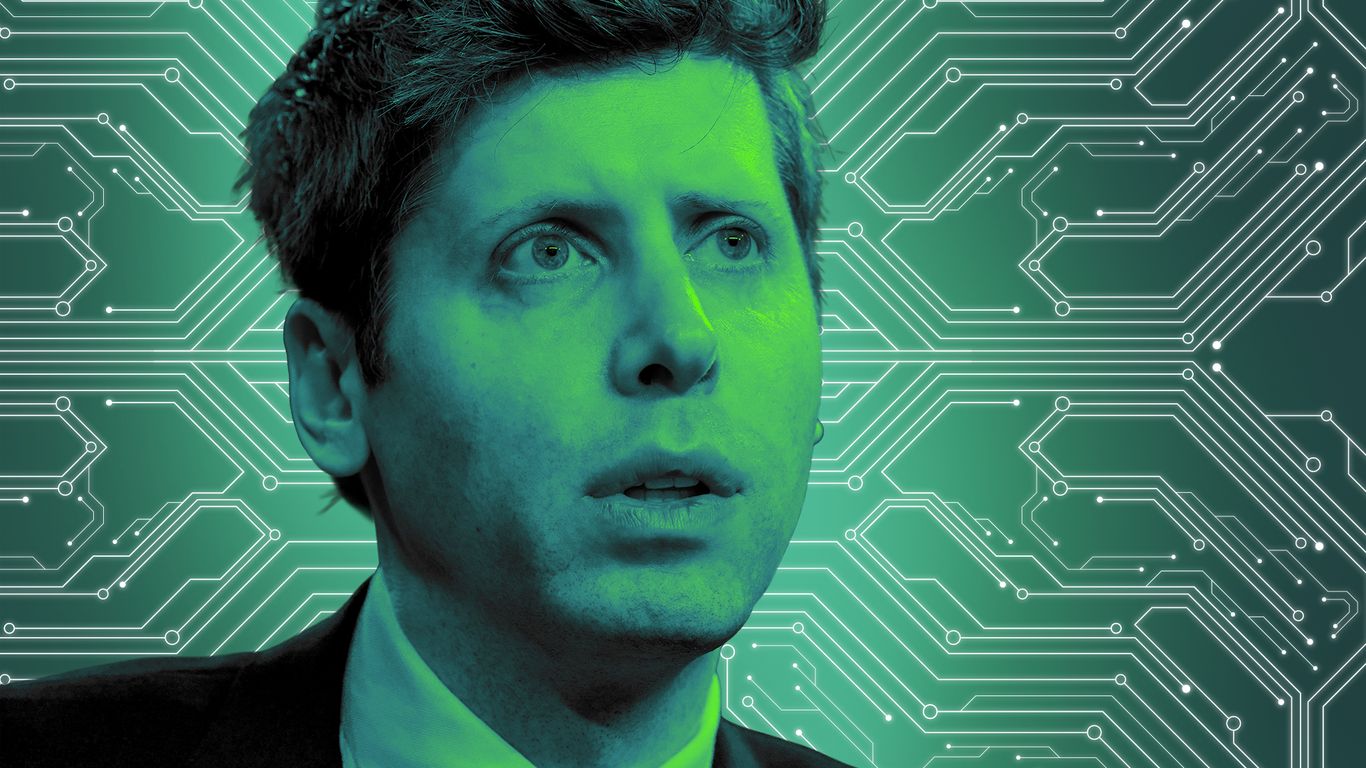
OpenAI CEO Sam Altman told Axios’ Ina Fried that, just like Perplexity, the ChatGPT maker is also interested in buying Google’s Chrome browser, should the search giant be forced to sell in its antitrust trial.

“If Chrome is really gonna sell, we should take a look at it,” Altman told a group of journalists at a rare, wide-ranging on-the-record dinner. “I don’t have a number in mind, but I would like to have it.”

While still a long shot, an OpenAI bid to acquire Chrome is perhaps more feasible than Perplexity’s. OpenAI is eyeing a $500 billion valuation — a sum that makes both its current $18 billion valuation and Perplexity’s $34.5 billion offer for Alphabet’s browser seem paltry.
While still a long shot, an OpenAI bid to acquire Chrome is perhaps more feasible than Perplexity’s. OpenAI is eyeing a $500 billion valuation — a sum that makes both its current $18 billion valuation and Perplexity’s $34.5 billion offer for Alphabet’s browser seem paltry.

More Tech

See all Tech
tech

Amazon brings its ChatGPT-style assistant online

Today, Amazon expanded access to its ChatGPT-style AI assistant, Alexa+, making it available on the web via Alexa.com.

Previously, Alexa+, which launched early last year, had mostly been accessible through Amazon devices like Echo smart speakers, but the site allows a broader audience to use the assistant, much like rivals such as OpenAI’s ChatGPT and Google’s Gemini.

In a press release, Amazon said that to “truly serve as a personal assistant, Alexa+ needs to be available wherever they are — at home, on their phone, and now on the web.”

The stock is up more than 2% in early trading.

In a press release, Amazon said that to “truly serve as a personal assistant, Alexa+ needs to be available wherever they are — at home, on their phone, and now on the web.”

The stock is up more than 2% in early trading.

tech

Tesla is testing more Cybercabs

Tesla’s self-imposed deadline to remove safety drivers from its Austin Robotaxi service has come and gone — and just like you on this first Monday of the new year, the safety drivers are at work. But the EV giant seems to be pushing ahead with its next big thing in driverless cars instead:

Tesla is testing at least seven Cybercabs, the gold two-seated vehicle that looks like it’s from a concept drawing of the future, on public roads in Austin and the Bay Area, according to sightings compiled by Robotaxi Tracker. While two of those vehicles were spotted in Austin late last year, five more have appeared since the start of 2026, including the first two sightings in the Bay Area.

CEO Elon Musk has said Cybercab production is slated to begin in April, though a year-end Tesla recap video appeared to suggest production was already underway. Musk clarified that the company is currently testing the Cybercab “production system.”

Like Tesla’s current Robotaxis, the purpose-built Cybercabs may also fall short of true autonomy. The Cybercabs are also testing with safety drivers. And despite earlier plans, production models will likely still include steering wheels, mirrors, and pedals.

Tesla Light Show In Nanning

Tesla deliveries drop for second straight year; stock on pace to match longest losing streak ever

BYD outsold Tesla in battery electric vehicles for the first time in 2025.

tech
Rani Molla

Rather than fully cracking down on scam ads, Meta worked to make them harder to find

In its latest piece on Meta’s scam ads, Reuters found that the social media giant didn’t just remove fraudulent ads from its platforms — it also worked to make them harder for governments and journalists to find.

Fearing that Japanese regulators would require universal advertiser verification — a measure Meta estimated would cost roughly $2 billion to implement and potentially reduce its revenue by nearly 5% — the company took steps to make scam ads less “discoverable” to “regulators, investigators and journalists,” according to internal documents reviewed by Reuters.

“So successful was the search-result cleanup that Meta, the documents show, added the tactic to a ‘general global playbook’ it has deployed against regulatory scrutiny in other markets, including the United States, Europe, India, Australia, Brazil and Thailand,” Reuters wrote.

Previous Reuters reporting found Meta internally projected that about 10% of its 2024 revenue would come from ads tied to scams and banned goods, though the company later said that estimate was overly broad. Reuters also reported the rate was double in China.

“So successful was the search-result cleanup that Meta, the documents show, added the tactic to a ‘general global playbook’ it has deployed against regulatory scrutiny in other markets, including the United States, Europe, India, Australia, Brazil and Thailand,” Reuters wrote.

Previous Reuters reporting found Meta internally projected that about 10% of its 2024 revenue would come from ads tied to scams and banned goods, though the company later said that estimate was overly broad. Reuters also reported the rate was double in China.

tech
Rani Molla

Michael Burry, the “Big Short” investor who called Tesla “ridiculously overvalued,” is not currently shorting Tesla

Earlier this month, “The Big Short” investor Michael Burry said Tesla has been “ridiculously overvalued” for “a good long time” — and reiterated that message in a post on X on Tuesday. But the once prominent Tesla short seller isn’t currently betting against the stock.

Asked directly whether he would short Tesla now, Burry replied simply: “I am not short.”

Tesla is expected to report a double-digit decline in fourth-quarter deliveries this week.

Latest Stories

Sherwood Media, LLC produces fresh and unique perspectives on topical financial news and is a fully owned subsidiary of Robinhood Markets, Inc., and any views expressed here do not necessarily reflect the views of any other Robinhood affiliate, including Robinhood Markets, Inc., Robinhood Financial LLC, Robinhood Securities, LLC, Robinhood Crypto, LLC, or Robinhood Money, LLC.