

Scarlett Johansson, YouTube evasion, CEO chaos: A running list of OpenAI gaffes
Even though the company seems to have captured the broader public’s interest in AI, Sam Altman’s passion project has become a PR nightmare.
OpenAI can’t stop tripping over its own feet. Instead of enjoying its first-mover position in the surging AI industry, the ChatGPT maker’s leadership keeps making unforced errors that threaten to disrupt its lead.
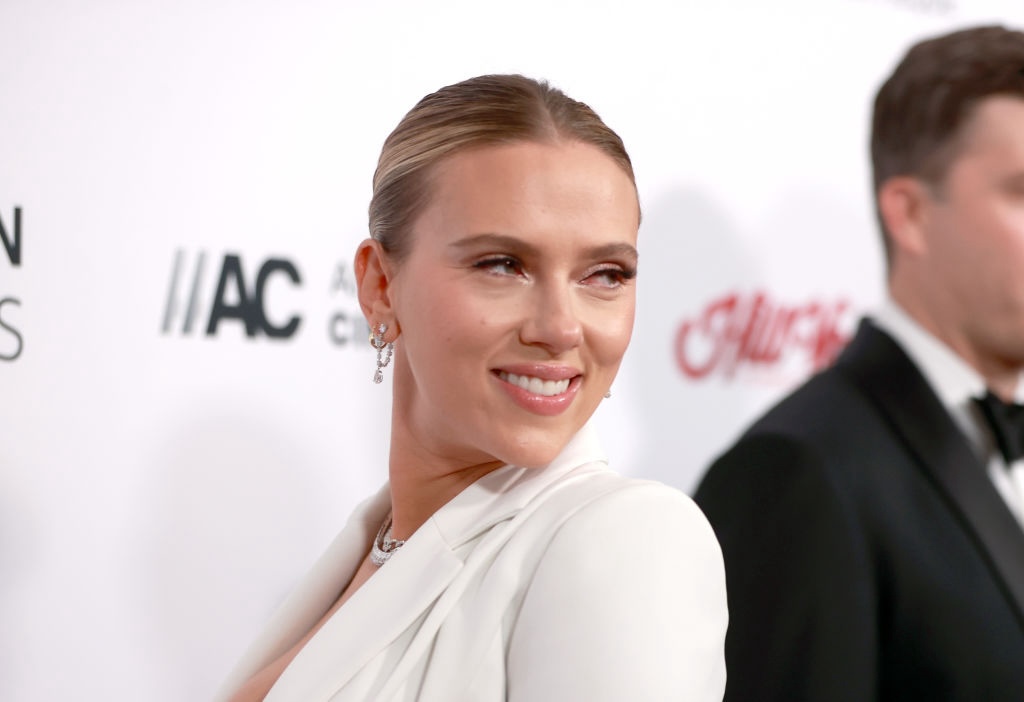
The ScarJo incident
Most recently, it needlessly tried to make its voice chatbot sound like virtual assistant Samantha from Spike Jonze’s arguably dystopian 2013 film “Her,” where a divorcée falls in love with an AI voiced by Scarlett Johansson.
Yesterday Johansson released a statement saying that Altman had asked her to voice its Sky assistant multiple times but she declined. He then went ahead and released a voice that sounded just like her from “Her” anyway. He even called attention to the similarity.
Statement from Scarlett Johansson on the OpenAI situation. Wow: pic.twitter.com/8ibMeLfqP8
— Bobby Allyn (@BobbyAllyn) May 20, 2024
OpenAI had released a statement this weekend saying its Johansson-sounding Sky voice was actually a “different professional actress using her own natural speaking voice,” but didn’t name that actress. Yesterday the company “paused” the use of the voice as it dealt with “questions” about its origins. Apparently those questions were from ScarJo’s lawyer.
This didn’t have to be a problem at all. Having a movie star’s voice wasn’t going to make or break the chatbot — how well it works is what counts. The move instead feels juvenile and bears an Elon Musk level of hubris.
The Johansson incident is also representative of a long-standing criticism of AI companies: that they hoover up people’s work to train their models without giving credit or asking permission.
The YouTube evasion
OpenAI itself keeps getting in hot water over its apparent inability to say whether or not it trained its image generator Sora on YouTube, which it likely did.
At a conference earlier this month, the company’s leadership failed to answer the question — an obvious one for the moderator to ask since the company’s chief technology officer had infamously flubbed answering the same question when posed by the Wall Street Journal a couple months before.
So they either don’t know or don’t want to admit how they train their AI — both bad looks.
Doing so would be a violation of YouTube’s terms of service. The New York Times and eight daily newspapers are currently suing OpenAI for cribbing their content.
Nasty NDAs
Of course, it’s not as if the company is free with its own trade secrets. In fact, OpenAI makes its employees sign extremely punitive nondisclosure and nondisparagement agreements, that put employees at risk of losing their already vested equity for speaking out.
As Vox’s Kelsey Piper wrote:
If a departing employee declines to sign the document, or if they violate it, they can lose all vested equity they earned during their time at the company, which is likely worth millions of dollars. One former employee, Daniel Kokotajlo, who posted that he quit OpenAI “due to losing confidence that it would behave responsibly around the time of AGI,” has confirmed publicly that he had to surrender what would have likely turned out to be a huge sum of money in order to quit without signing the document.
Perhaps a more flexible policy toward former workers would let them give their former employer feedback, so the company could stop making such obvious mistakes.
Trouble at the top
The roots of the recent gaffes seem to stem from Altman himself, a Silicon Valley wunderkind and former partner at startup incubator Y Combinator. The fuse at OpenAI seems to have been lit in late 2023, when the company devolved into chaos as Altman was fired and then reinstated as CEO over the course of five days last November. At the time the board wrote in a blog post that Altman “was not consistently candid in his communications with the board, hindering its ability to exercise its responsibilities.” It added, “The board no longer has confidence in his ability to continue leading OpenAI.”
Within a few days, however, Altman was back at OpenAI after pushback from investors and employees.
Employee departures
And then last week leaders of the company’s superalignment team, cofounder Ilya Sutskever and researcher, Jan Leike announced their departures from OpenAI. Sutskever had been one of the executives behind Altman’s ouster last year.
Leike in a post on X said that “safety culture and processes have taken a backseat to shiny products.” Their departures hint at more internal strain over the direction of the company and the decisions of its leaders to come.
That wasn’t Altman’s first dustup with a company he led. He was pushed out of Y Combinator in 2019 for putting “his own interests ahead of the organization.”
The fact that OpenAI seems to keep stepping on rakes even while it’s captured the broader public’s attention with its products is mystifying at best, and worrying at worst. It may have the pole position in the market right now, but there are plenty of upstarts happy to overtake its efforts while infighting and chaos reign in Altman’s universe.




