

Tech
tech
Tom Jones

Shopify is looking to AI to keep its workforce lean

In an internal memo to staff, which he then made public after it got leaked yesterday, Shopify CEO Tobi Lütke announced a raft of new company policies and expectations around AI — most notably the fact that Shopify staffers must now demonstrate why the tech can’t do the job itself before even asking about new hires.

Lütke also outlined that using AI effectively is now a “fundamental expectation” of all staff and that effective usage would be added to company-wide performance and peer reviews, as the online shopping software business doubles down on the tech’s potential across the board.

Shopify leaning in to increasing AI usage comes as the company continues to “quietly” cut staff in its customer support division, on the back of broader layoff rounds that have seen headcount tumble over the last couple of years.
Shopify headcount chart
Sherwood News

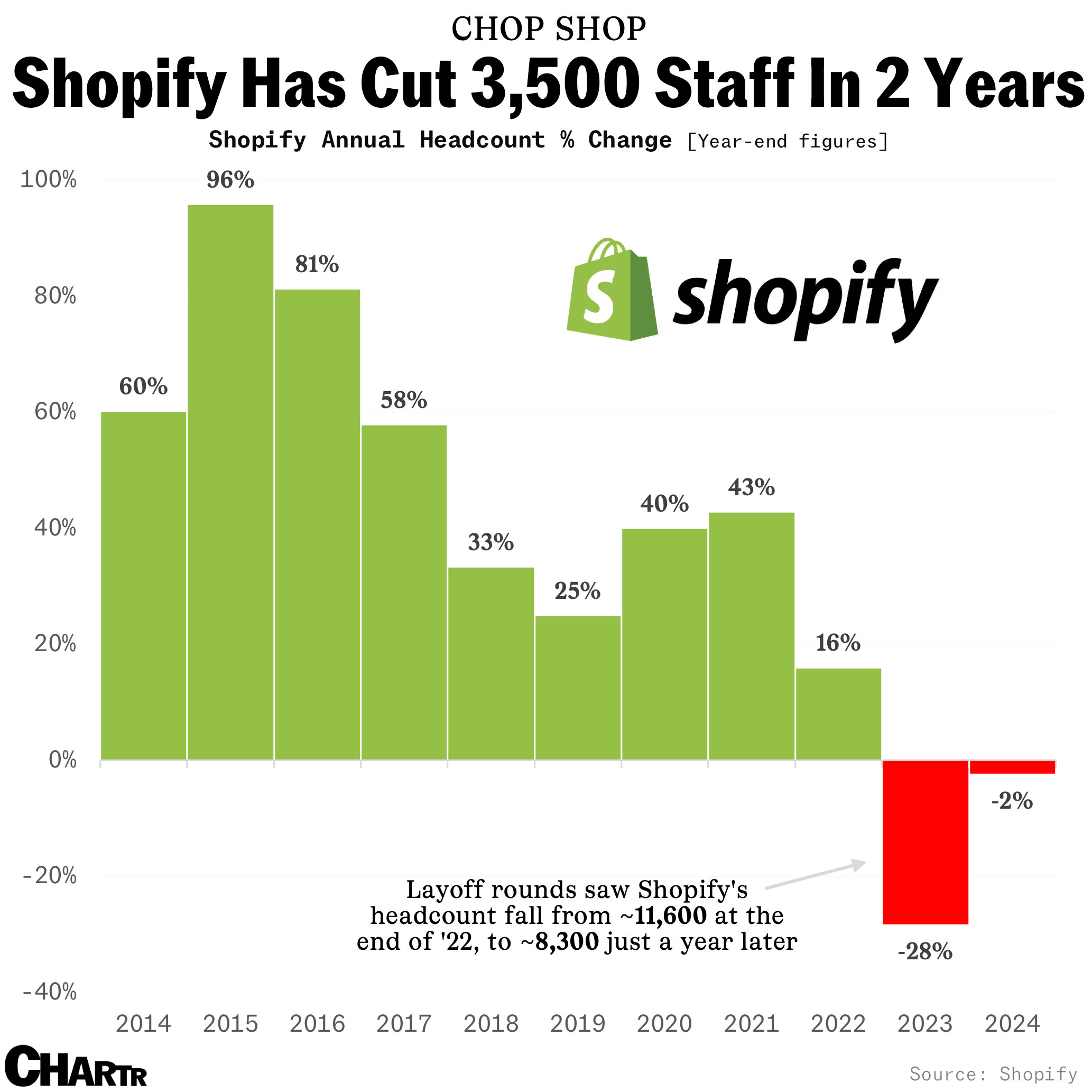
The newly Nasdaq-listed company has been making efforts to downsize for years, with (sometimes controversial) rounds of cutbacks affecting as much as one-fifth of its global workforce at a time. While Shopify’s headcount peaked at approximately 11,600 employees by December 2022, per the company’s annual filings, it came in ~3,300 (28%) lighter by the end of the next year and fell a further 2% in 2024, as well.

Clearly, Lütke feels that AI could be key in maintaining Shopify’s lean(er) machine moving forward.
Shopify headcount chart
Sherwood News

The newly Nasdaq-listed company has been making efforts to downsize for years, with (sometimes controversial) rounds of cutbacks affecting as much as one-fifth of its global workforce at a time. While Shopify’s headcount peaked at approximately 11,600 employees by December 2022, per the company’s annual filings, it came in ~3,300 (28%) lighter by the end of the next year and fell a further 2% in 2024, as well.

Clearly, Lütke feels that AI could be key in maintaining Shopify’s lean(er) machine moving forward.
More Tech

See all Tech
tech

NHTSA expands Tesla FSD probe, focusing on whether system can detect when cameras can’t see the road

The National Highway Traffic Safety Administration said it is expanding its probe into Tesla’s Full Self-Driving system into an engineering analysis covering about 3.2 million Teslas, a majority of its vehicles that are on the road in the US, Reuters reports.

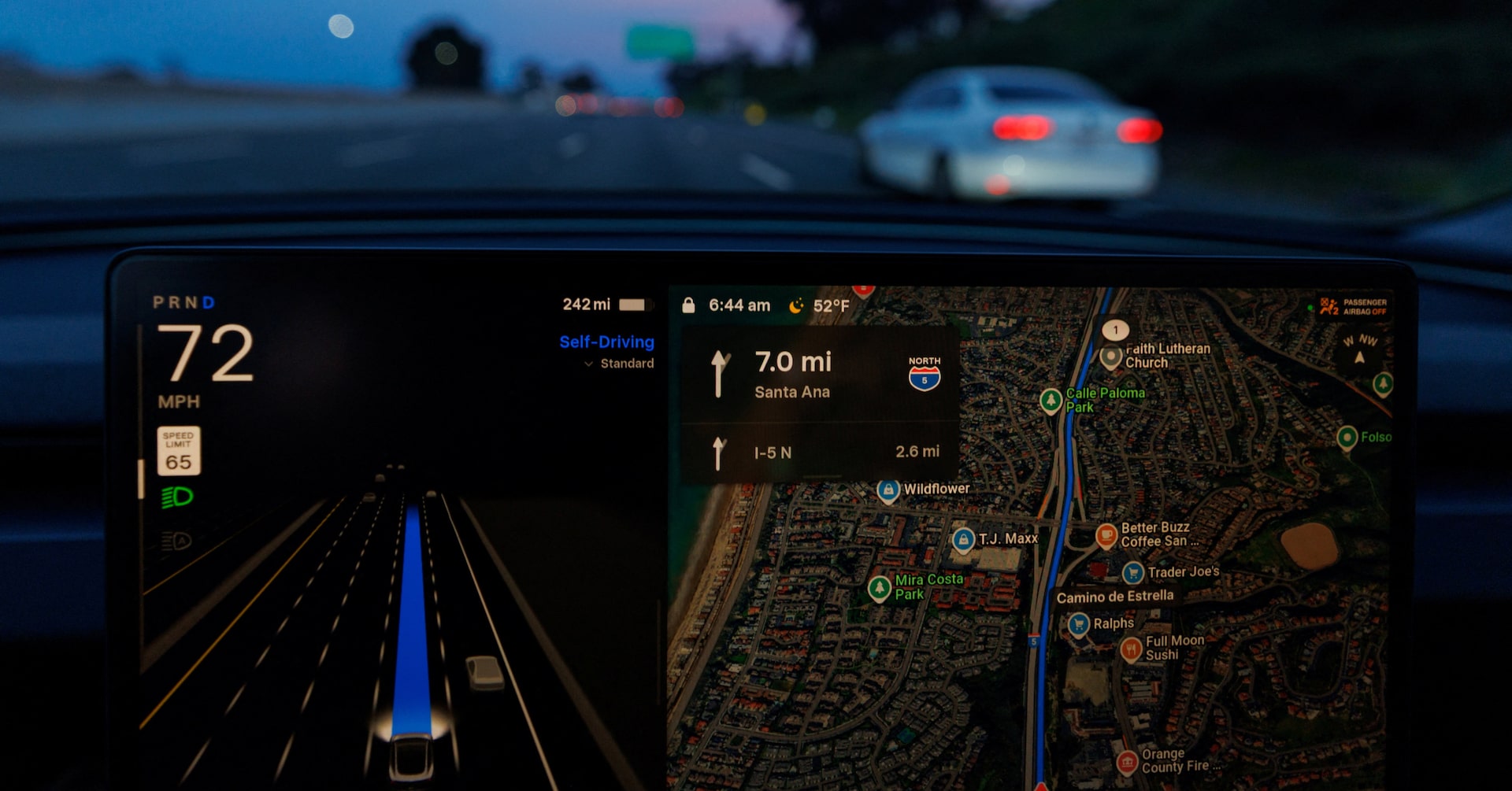
The agency is focusing on Tesla’s “degradation detection system,” which is meant to recognize when its camera-based technology cannot reliably perceive the road and prompt drivers to intervene:

“Available incident data raise concerns that Tesla’s degradation detection system, both as originally deployed and later updated, fails to detect and/or warn the driver appropriately under degraded visibility conditions such as glare and airborne obscurants. In the crashes that ODI has reviewed, the system did not detect common roadway conditions that impaired camera visibility and/or provide alerts when camera performance had deteriorated until immediately before the crash occurred.”

Tesla CEO Elon Musk has long argued that the company’s self-driving approach does not require the expensive lidar sensors used by rivals such as Waymo.

The agency is focusing on Tesla’s “degradation detection system,” which is meant to recognize when its camera-based technology cannot reliably perceive the road and prompt drivers to intervene:

“Available incident data raise concerns that Tesla’s degradation detection system, both as originally deployed and later updated, fails to detect and/or warn the driver appropriately under degraded visibility conditions such as glare and airborne obscurants. In the crashes that ODI has reviewed, the system did not detect common roadway conditions that impaired camera visibility and/or provide alerts when camera performance had deteriorated until immediately before the crash occurred.”

Tesla CEO Elon Musk has long argued that the company’s self-driving approach does not require the expensive lidar sensors used by rivals such as Waymo.

$1B

Apple is behind the rest of Big Tech when it comes to developing its own AI, but that hasn’t stopped it from cashing in on the AI boom. The iPhone maker stands to bring in more than $1 billion in App Store fees this year from other companies’ generative-AI apps, mostly from ChatGPT, The Wall Street Journal reports, citing data from App Magic.

Unlike rivals pouring hundreds of billions into AI infrastructure, Apple’s spending has been relatively modest, with its overall capital expenditure actually declining last quarter. Its lucrative App Store model lets Apple profit from AI as a gatekeeper without fully joining the expensive race to build it.

Multicolor Sticks

OpenAI is shipping everything. Anthropic is perfecting one thing.

The two AI titans are in a race to grow revenues, but they have very different strategies for releasing products. And one approach appears to be winning out.

73%

Here’s another sign Anthropic’s enterprise tools are killing it: the AI firm now captures 73% of all spending among companies buying AI tools for the first time, Axios reports, citing data from Ramp, a fintech company that provides corporate cards and expense management software. That’s up from 50% in January, when it was tied with OpenAI.

As we’ve noted, Big Tech is pivoting from experimentation to revenue — and enterprise is where that shift is playing out.

tech

Microsoft considers suing Amazon and OpenAI over $50 billion deal

Microsoft may be about to take its biggest AI partner to court, the Financial Times reports.

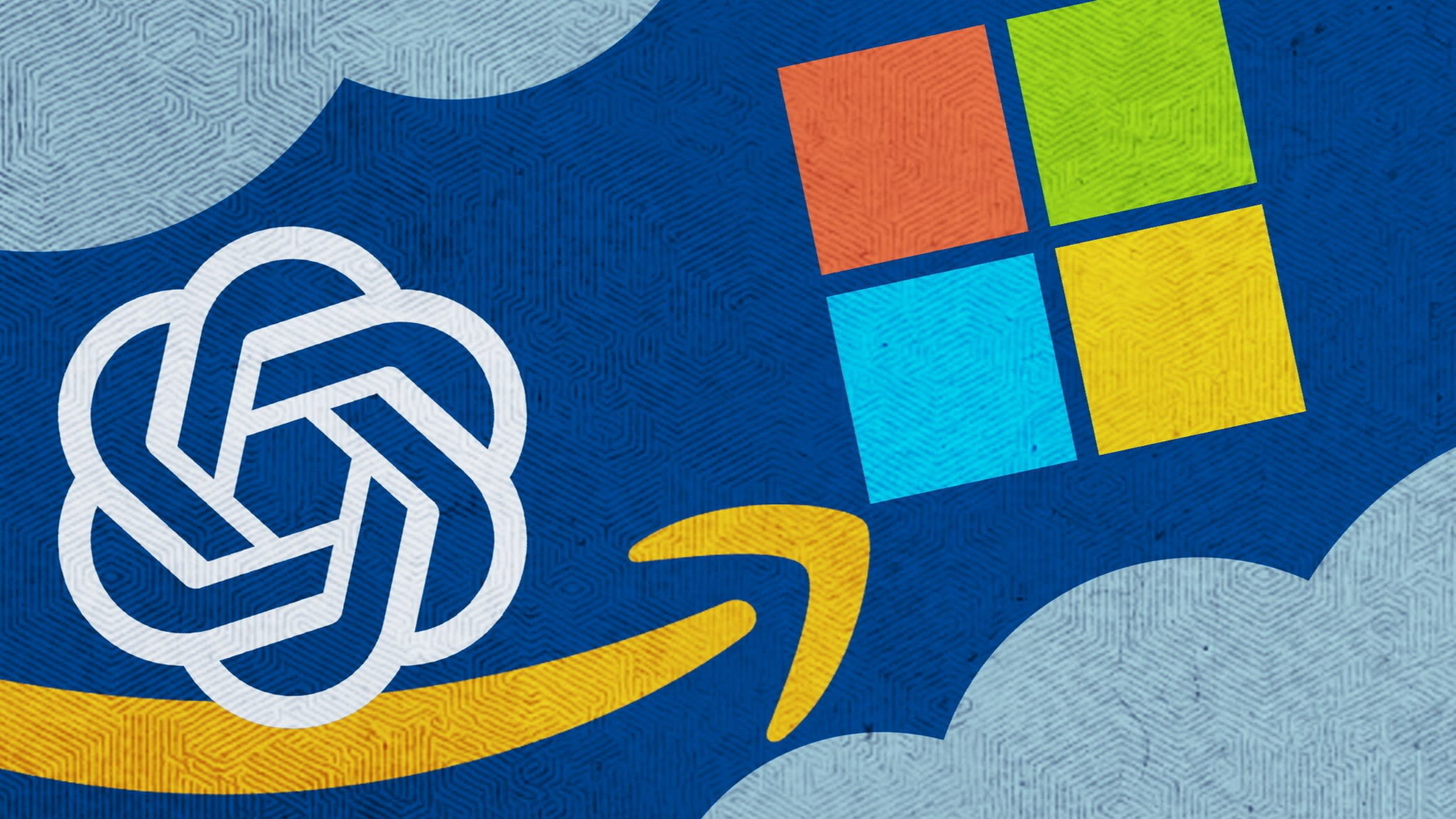
Microsoft, a longtime backer of OpenAI, is weighing legal action over the latter’s $50 billion deal with Amazon tied to its new Frontier AI product, arguing it could violate a key clause in their exclusive cloud deal requiring OpenAI’s models to run through Azure. Amazon and OpenAI say they’ve found a workaround. Microsoft executives disagree.

“We know our contract,” a source told the FT. “We will sue them if they breach it. If Amazon and OpenAI want to take a bet on the creativity of their contractual lawyers, I would back us, not them.”

OpenAI, which is eyeing an IPO this year and under pressure to generate more revenue, is trying to loosen Microsoft’s grip as it scales, while Microsoft increasingly sees OpenAI as both a partner and competitor.

“We know our contract,” a source told the FT. “We will sue them if they breach it. If Amazon and OpenAI want to take a bet on the creativity of their contractual lawyers, I would back us, not them.”

OpenAI, which is eyeing an IPO this year and under pressure to generate more revenue, is trying to loosen Microsoft’s grip as it scales, while Microsoft increasingly sees OpenAI as both a partner and competitor.

Latest Stories

Sherwood Media, LLC produces fresh and unique perspectives on topical financial news and is a fully owned subsidiary of Robinhood Markets, Inc., and any views expressed here do not necessarily reflect the views of any other Robinhood affiliate, including Robinhood Markets, Inc., Robinhood Financial LLC, Robinhood Securities, LLC, Robinhood Crypto, LLC, Robinhood Derivatives, LLC, or Robinhood Money, LLC. Futures and event contracts are offered through Robinhood Derivatives, LLC.