Tech
tech
Rani Molla

Tesla CEO’s gamble on Trump is paying off for SpaceX

For Tesla shareholders, Elon Musk’s gamble on President Trump paid off until it didn’t (and then did again), but he’s still had plenty to gain for his other companies, including SpaceX, the parent of satellite company Starlink, the whole while.

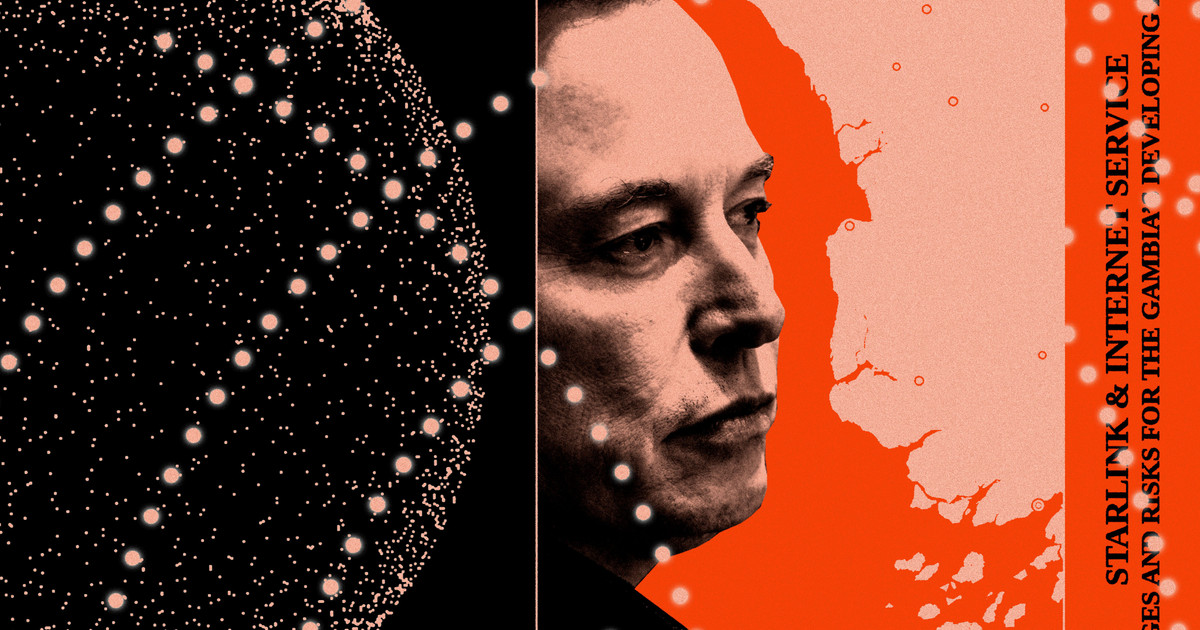
The Trump administration has been pressuring a number of African countries to approve Tesla CEO Elon Musk’s Starlink business there, in some cases threatening to cut US aid and garnering unfair advantages, ProPublica reports.

“Helping U.S. businesses has long been part of the State Department’s mission, but former ambassadors said they sought to do this by making the positive case for the benefits of U.S. investment. When seeking deals for U.S. companies, they said they took care to avoid the appearance of conflicts or leaving the impression that punitive measures were on the table.

Ten current and former State Department officials said the recent drive was an alarming departure from standard diplomatic practice — because of both the tactics used and the person who would benefit most from them. ‘I honestly didn’t think we were capable of doing this,’ one official told ProPublica. ‘That is bad on every level.’ Kenneth Fairfax, a retired career diplomat who served as U.S. ambassador to Kazakhstan, said the global push for Musk ‘could lead to the impression that the U.S. is engaging in a form of crony capitalism.’”


In other words, thanks to Musk’s political donations, the administration has been unfairly pushing some of the world’s poorest countries to enrich the world’s richest man.

“If this was done by another country, we absolutely would call this corruption,” Kristofer Harrison, a State Department official during the George W. Bush administration, told ProPublica. “Because it is corruption.”

“Helping U.S. businesses has long been part of the State Department’s mission, but former ambassadors said they sought to do this by making the positive case for the benefits of U.S. investment. When seeking deals for U.S. companies, they said they took care to avoid the appearance of conflicts or leaving the impression that punitive measures were on the table.

Ten current and former State Department officials said the recent drive was an alarming departure from standard diplomatic practice — because of both the tactics used and the person who would benefit most from them. ‘I honestly didn’t think we were capable of doing this,’ one official told ProPublica. ‘That is bad on every level.’ Kenneth Fairfax, a retired career diplomat who served as U.S. ambassador to Kazakhstan, said the global push for Musk ‘could lead to the impression that the U.S. is engaging in a form of crony capitalism.’”


In other words, thanks to Musk’s political donations, the administration has been unfairly pushing some of the world’s poorest countries to enrich the world’s richest man.

“If this was done by another country, we absolutely would call this corruption,” Kristofer Harrison, a State Department official during the George W. Bush administration, told ProPublica. “Because it is corruption.”

More Tech

See all Tech
tech

SpaceX filings reportedly show no one can fire Elon Musk except Elon Musk

The only thing stopping Elon Musk from being chairman and CEO of SpaceX is Elon Musk, according to Reuters, which viewed an excerpt of the company’s IPO filing.

The document outlines a dual-class share structure giving Musk control via super-voting stock. The filing says he “can only be removed from our board or these positions by the vote of Class B holders” — shares he’ll control after the listing. It adds that if he keeps those shares, he could “continue to control the election and removal of a majority of our board.”

At a typical public company — even founder-led ones with dual-class structures — a CEO can be fired by the board of directors, which represents shareholders and can vote to remove them over issues such as corporate performance, strategy, or misconduct.

The unusual SpaceX setup means Musk is unlikely to face the kind of CEO succession pressure he’s dealt with at Tesla. Musk, of course, is not a typical CEO, and the value of his companies has long been closely tied to his presence.

To be sure, SpaceXs confidential IPO filing isnt in its final form yet — while the filing is still in the confidential phase, the company will be going back and forth with the SEC, which will review it and suggest or require changes.

At a typical public company — even founder-led ones with dual-class structures — a CEO can be fired by the board of directors, which represents shareholders and can vote to remove them over issues such as corporate performance, strategy, or misconduct.

The unusual SpaceX setup means Musk is unlikely to face the kind of CEO succession pressure he’s dealt with at Tesla. Musk, of course, is not a typical CEO, and the value of his companies has long been closely tied to his presence.

To be sure, SpaceXs confidential IPO filing isnt in its final form yet — while the filing is still in the confidential phase, the company will be going back and forth with the SEC, which will review it and suggest or require changes.

tech
Rani Molla

OpenAI’s models are officially coming to Amazon

Amazon is finally getting in on the hottest ticket in tech.

After Microsoft announced yesterday that it has agreed to give up its exclusive rights to sell OpenAI’s models, Amazon, as expected, will start offering them to customers — something Amazon Web Services CEO Matt Garman says users have been asking for “for a really long time.” Some models are available now in preview, and the most powerful GPT versions will show up “in the coming weeks.”

This is a big shift in the AI cloud wars. Microsoft’s early bet on OpenAI gave Azure an edge by locking up the most in-demand models. Now that exclusivity is gone, Amazon and other competitors can finally offer them too, closing a key gap and competing more directly for AI customers.

This is a big shift in the AI cloud wars. Microsoft’s early bet on OpenAI gave Azure an edge by locking up the most in-demand models. Now that exclusivity is gone, Amazon and other competitors can finally offer them too, closing a key gap and competing more directly for AI customers.

tech

Ship-tracking app surges as Iran war continues

As Middle East peace talks stretch on, with Tehran reportedly offering to reopen the Strait of Hormuz if the US lifts its blockade and the war ends, the owner of shipping intelligence platform MarineTraffic revealed that the app has gained millions of new users since the conflict began.

MarineTraffic’s user count jumped to 8.5 million this April, up from 3.5 million a year ago, the cofounder of its parent company, Kpler, said in an interview with the Financial Times. Paid subscribers, often workers within companies and governments looking for more data on supply chains and commodities trading, rose 11,000 in the same period.

Kpler, which also owns shipping intelligence platform FleetMon, draws its data from a range of sources, including the Automatic Identification System, satellites, and more than 500 people on-site, like port terminal operators.

Per Appfigures data, MarineTraffic is estimated to have raked in almost $1 million across March and April in app revenue (through April 27), more than double the ~$346,500 from the same months last year. Across the full year, Kpler expects to earn between $300 million and $400 million in annual recurring revenues.

Latest Stories

Sherwood Media, LLC produces fresh and unique perspectives on topical financial news and is a fully owned subsidiary of Robinhood Markets, Inc., and any views expressed here do not necessarily reflect the views of any other Robinhood affiliate, including Robinhood Markets, Inc., Robinhood Financial LLC, Robinhood Securities, LLC, Robinhood Crypto, LLC, Robinhood Derivatives, LLC, or Robinhood Money, LLC. Futures and event contracts are offered through Robinhood Derivatives, LLC.