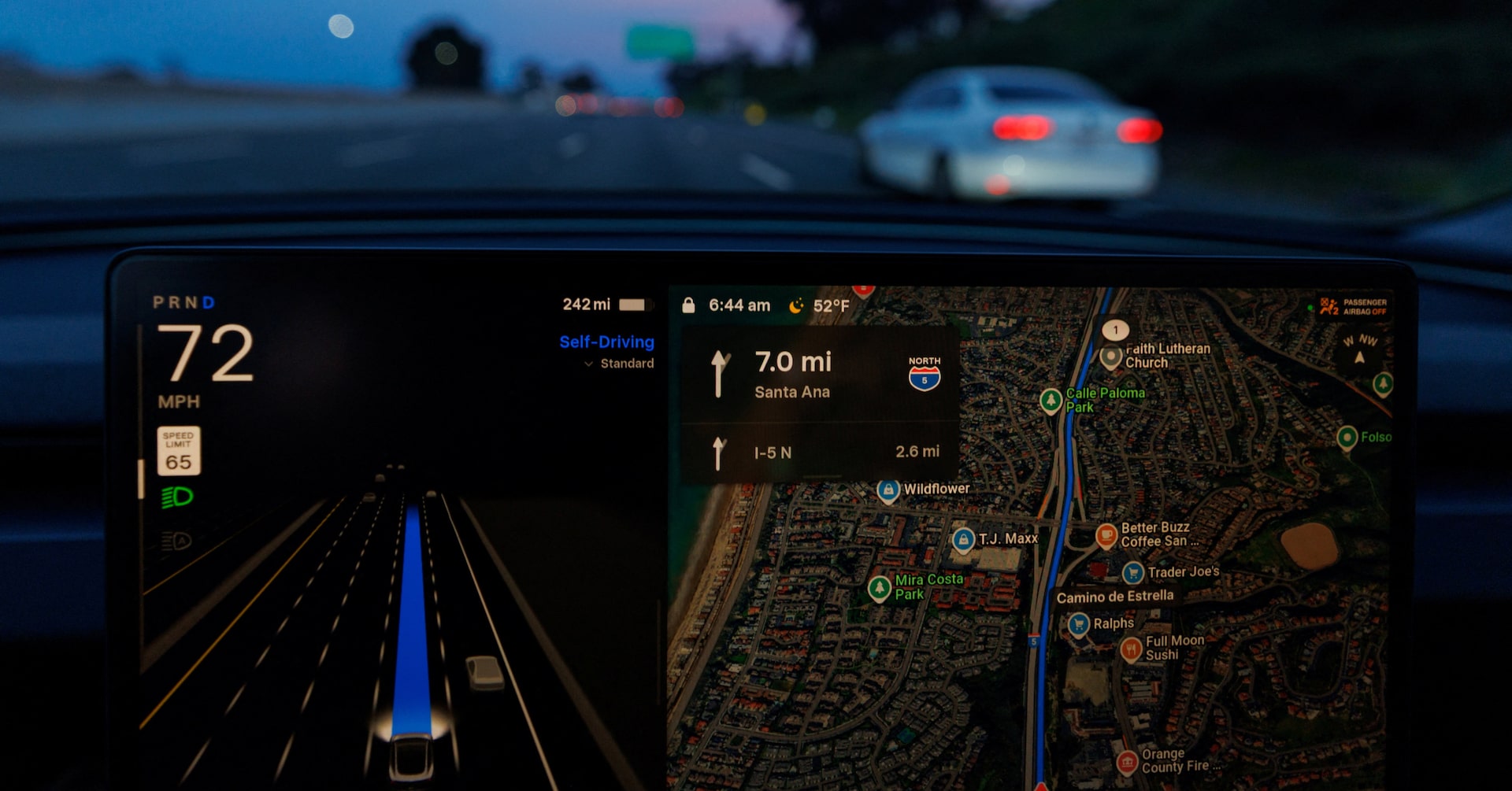
Tesla’s 29 Austin Robotaxis have crashed 8 times since June, as data suggests they perform much worse than human drivers
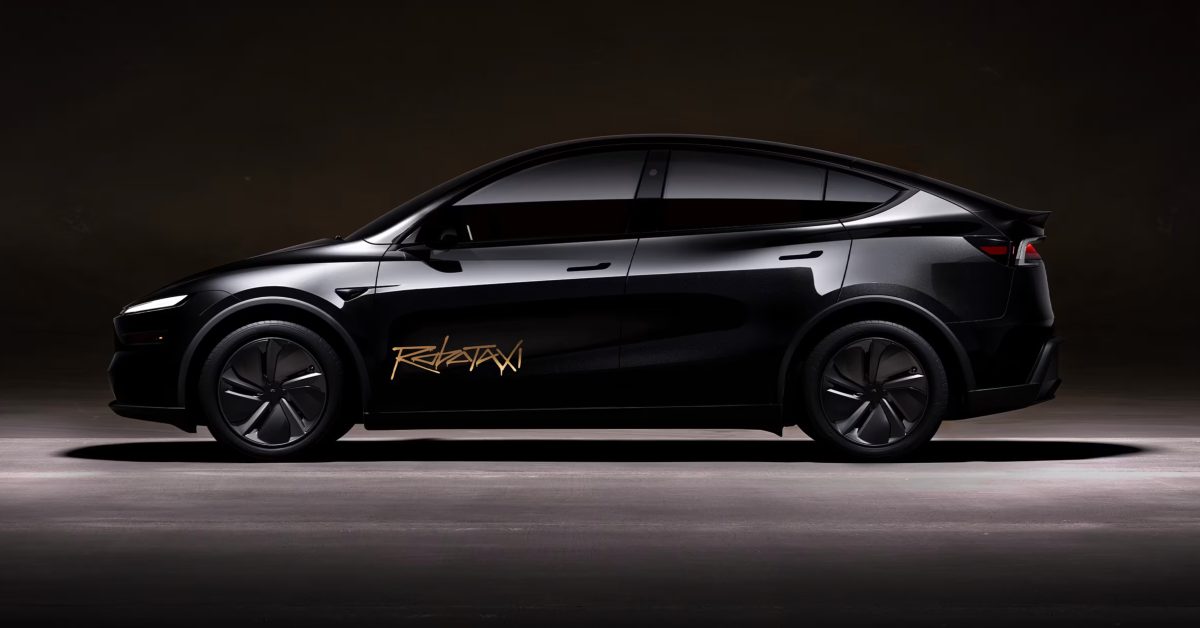
Tesla’s 29 Austin Robotaxis have been involved in eight crashes since they launched in June, Electrek reports, citing National Highway Traffic Safety Administration data you can download here. Those crashes for the most part involved property damage, and only in one case led to a minor injury. Notably, the crashes occurred with a safety monitor in the front seat.
As Electrek notes, that data suggests Tesla Robotaxis are crashing once every 40,000 miles, whereas the average human driver in the US crashes about once every 500,000 miles. On Tesla’s Full Self-Driving page, the company claims vehicles with the technology engaged have 7x fewer major and minor collisions — a claim that experts like Carnegie Mellon’s Phil Koopman have said doesn’t stand up to scrutiny.
Over the weekend, Tesla began testing two more Robotaxis without those safety monitors, in hopes of achieving CEO Elon Musk’s latest goal of removing them from the Austin fleet by year’s end.
As Electrek notes, that data suggests Tesla Robotaxis are crashing once every 40,000 miles, whereas the average human driver in the US crashes about once every 500,000 miles. On Tesla’s Full Self-Driving page, the company claims vehicles with the technology engaged have 7x fewer major and minor collisions — a claim that experts like Carnegie Mellon’s Phil Koopman have said doesn’t stand up to scrutiny.
Over the weekend, Tesla began testing two more Robotaxis without those safety monitors, in hopes of achieving CEO Elon Musk’s latest goal of removing them from the Austin fleet by year’s end.