Tech
JAPAN-FOOD-DRINK-SCIENCE-REASEARCH-MSG-AJINOMOTO
Monosodium glutamate (MSG) products of the Ajinomoto food company displayed at a supermarket in Tokyo on January 20, 2020 (Behrouz Mehri/Getty Images)

What does delicious Asian food seasoning have to do with a potential bottleneck for AI chips?

Japanese food flavoring company Ajinomoto, which commercialized MSG, also makes a key component in AI chips. It’s having trouble scaling to meet demand.

Deep within the supply chain for advanced AI chips sits an unlikely company that may be the source of a looming global bottleneck. It’s already the source of some really delicious food.

Ajinomoto is a 117-year-old Japanese food flavoring company that made its name selling monosodium glutamate. You know it better as MSG, the substance that gives some food its umami taste.

Today, the company sells a wide range of food-related goods, healthcare products, and industrial materials — and that’s where Ajinomoto’s business intersects with the worldwide frenzy for AI chips.

One of the industrial materials Ajinomoto sells is Ajinomoto Build-up Film (ABF), a resin-based insulation film that sits in the sandwich of layers in today’s increasingly dense computing chips. Some investors are pushing the company to seize the moment and significantly raise prices on the product, taking advantage of its dominant position in the niche market, where it reportedly has a 95% market share.

But being the sole supplier of a key component in one of the most in-demand pieces of AI technology is also raising fears that Ajinomoto won’t be able to scale fast enough to meet soaring demand.

Last month, Ajinomoto said it would invest over $150 million by 2030 to increase ABF manufacturing capacity by 50%, to ramp up to meet demand. Ajinomoto President Shigeo Nakamura told Nikkei Asia that the company is preparing to continue to scale production, and expects sales of the product to grow steadily:

“We expect sales of electronics materials, mainly ABF, to grow at an annual rate of more than 10% through 2030. We will continue to meet needs by evolving ABF to a more highly functional form that supports high-performance semiconductors in the long term.”

More Tech

See all Tech
tech

Meta will surpass Google in ad revenue this year, new industry data shows

In a world supported by digital ad dollars, Meta may soon be king. The Instagram owner’s net digital ad revenues are expected to hit $243.5 billion in 2026, surpassing Google’s projected $239.5 billion, according to new data from eMarketer.

The shift is happening as Big Tech companies including Meta and Google are increasing their spending on AI in hopes that AI will grow their top and bottom lines.

On the company’s last earnings call, Meta CFO Susan Li credited AI with driving performance gains, and said that growth will continue: “We expect the set of investments we're making in 2026 will enable us to drive further gains as we continue to integrate AI across all layers of the marketing and customer engagement funnel.”

“In surpassing Google, Meta has essentially had many of its core strategies validated,” said Max Willens, principal analyst at Emarketer. “Meta has long understood that scale, network effects, and habits are more important than anything else in digital media. It has carefully built and defended the advantages it has in all three areas.”

tech

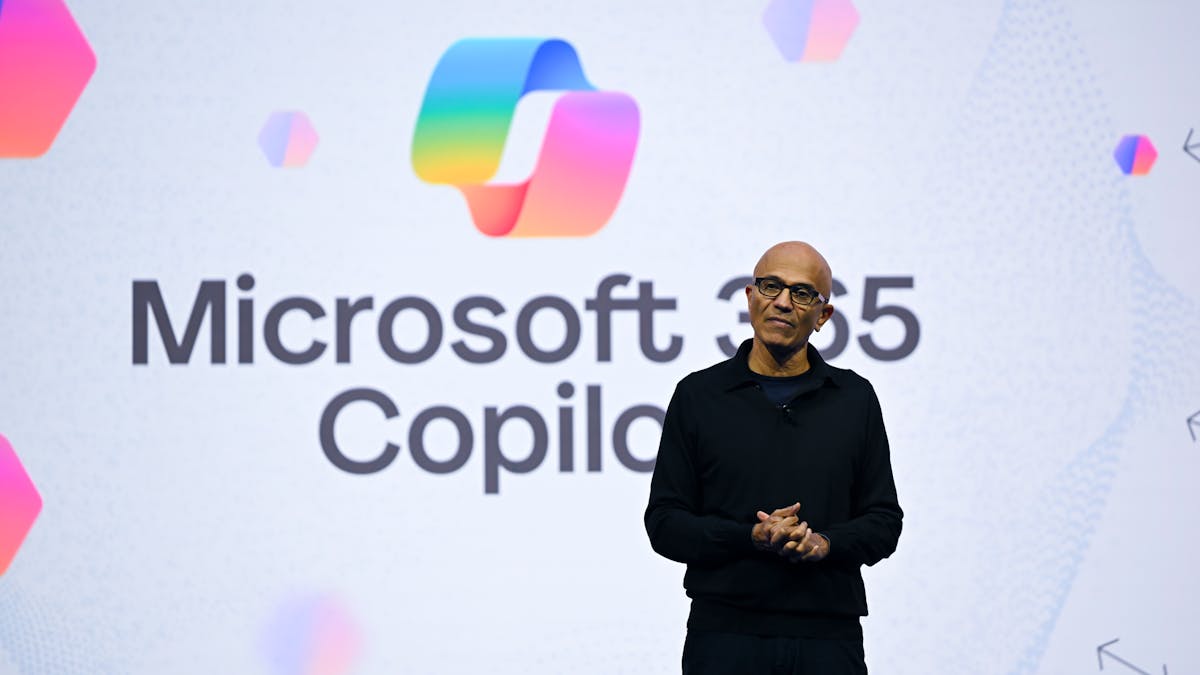
Report: Microsoft looks to remake Copilot in the image of OpenClaw

Microsoft is feeling the heat from all corners of the tech world as it tries to infuse its productivity apps with useful AI tools.

OpenAI, Anthropic, and now open-source OpenClaw are enabling powerful agentic AI that can do work on your computer for you — including productivity functions like managing emails, spreadsheets, and slide decks.

This is obviously an area where Microsoft needs to compete, or it will be left in the dust by AI startups.

The Information reports that Microsoft is indeed realizing this, and is now trying to reboot its many Copilot tools to act more like the extremely popular DIY agentic AI tool OpenClaw.

OpenClaw is usually set up running on a dedicated personal computer, and given access to all of a user’s permissions and logins. The user issues orders to OpenClaw through messaging apps like Telegram or WhatsApp, and the agent goes off and completes tasks in the background, notifying you when they’re done. But many users have had security disasters with the setup, so Microsoft is looking to borrow the popular concept but implement the strict security controls needed for use in enterprise environments.

According to the report, Microsoft CEO Satya Nadella has made revamping 365 Copilot a top priority.

This is obviously an area where Microsoft needs to compete, or it will be left in the dust by AI startups.

The Information reports that Microsoft is indeed realizing this, and is now trying to reboot its many Copilot tools to act more like the extremely popular DIY agentic AI tool OpenClaw.

OpenClaw is usually set up running on a dedicated personal computer, and given access to all of a user’s permissions and logins. The user issues orders to OpenClaw through messaging apps like Telegram or WhatsApp, and the agent goes off and completes tasks in the background, notifying you when they’re done. But many users have had security disasters with the setup, so Microsoft is looking to borrow the popular concept but implement the strict security controls needed for use in enterprise environments.

According to the report, Microsoft CEO Satya Nadella has made revamping 365 Copilot a top priority.

tech

Tesla competitor Slate closes $650 million funding round and says 2026 production is “on time and on budget”

Tesla competitor Slate Auto said it closed a $650 million Series C funding round led by TWG Global, giving it the “operating capital to reach the next stage of development.” Slate’s new CEO, Peter Faricy, says it has more than 160,000 reservations, up from 150,000 in December, and is “on time and on budget” to deliver its first mid-$20,000 electric trucks to customers by the end of 2026.

tech
Jon Keegan

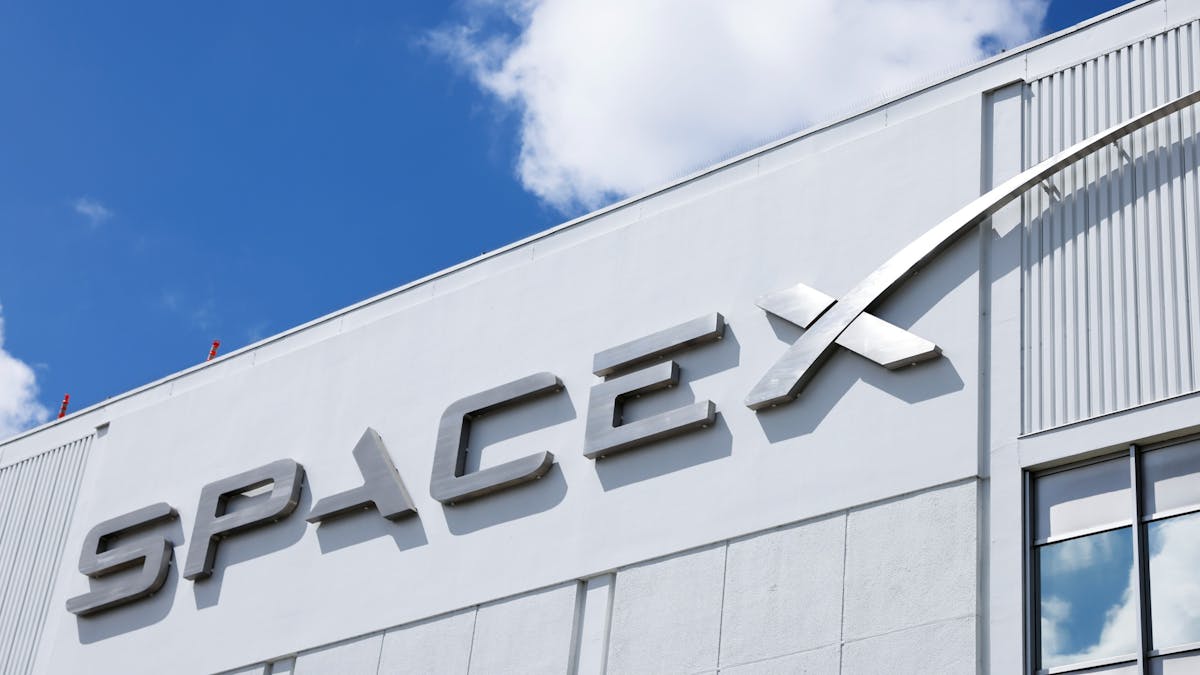
Report: SpaceX posted $18.5 billion in revenue and a $5 billion loss last year

All eyes on are SpaceX as it prepares for a blockbuster IPO as soon as this summer, and everyone is eager to get a look at the company’s official numbers for the first time.

The Information is reporting that last year, SpaceX posted $18.5 billion in revenue with a $5 billion loss.

According to the report, the numbers reflect the combined finances of SpaceX and xAI, which it acquired in February.

After acquiring xAI, SpaceX’s successful space launch and satellite business may have been dragged down by xAI’s massive data center spending. Earlier this year, Bloomberg reported that xAI had burned through $8 billion in the first nine months of 2025.

According to the report, the numbers reflect the combined finances of SpaceX and xAI, which it acquired in February.

After acquiring xAI, SpaceX’s successful space launch and satellite business may have been dragged down by xAI’s massive data center spending. Earlier this year, Bloomberg reported that xAI had burned through $8 billion in the first nine months of 2025.

Latest Stories

Sherwood Media, LLC produces fresh and unique perspectives on topical financial news and is a fully owned subsidiary of Robinhood Markets, Inc., and any views expressed here do not necessarily reflect the views of any other Robinhood affiliate, including Robinhood Markets, Inc., Robinhood Financial LLC, Robinhood Securities, LLC, Robinhood Crypto, LLC, Robinhood Derivatives, LLC, or Robinhood Money, LLC. Futures and event contracts are offered through Robinhood Derivatives, LLC.