What the first FSD approval in Europe means for Tesla
Elon Musk has blamed the lack of Full Self-Driving approval for struggling sales on the continent.
On Friday, Dutch regulators approved a version of Tesla’s supervised Full Self-Driving (FSD) software, making the Netherlands the first country in Europe where the technology can be used. Tesla has long argued the driver assistance system is key to its future growth.
The regulators said they are also submitting an application to expand approval across the European Union.
CEO Elon Musk has blamed the lack of FSD approval for making Europe its “weakest market.”
“It’s worth noting that we do not actually yet have approval for supervised FSD in Europe,” Musk said during an earnings call last year. “So our sales in Europe, we think, will improve significantly once we are able to give customers the same experience that they have in the US.” At the World Economic Forum in January, Musk said he expected European approval in February. It’s now April, and that process is only just beginning.
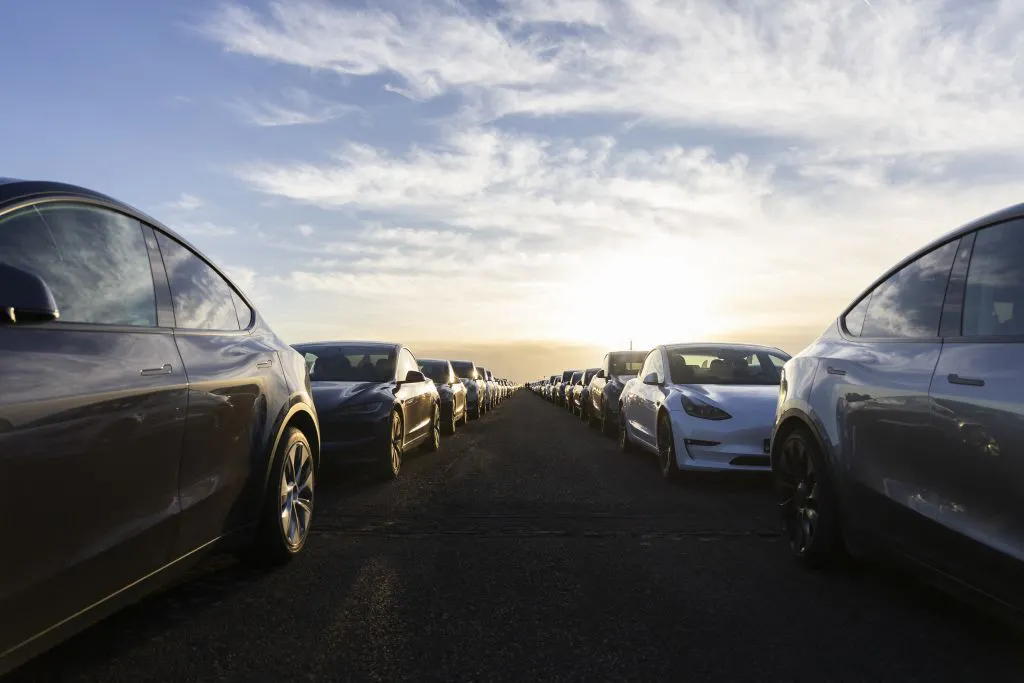
That doesn’t mean Tesla’s European sales will immediately rebound. The Netherlands is a relatively small market for Tesla, which itself sells a modest share of its cars in Europe. Tesla sold about 16,700 cars in the Netherlands in 2025, out of roughly 240,000 across Europe and 1.6 million globally.
There are also key differences between the US and European versions of the technology. Dutch regulators said the US version is “not comparable” to the one approved in Europe, which comes with stricter safety requirements and closer driver monitoring.
Upcoming sales data will test whether access to FSD is actually what’s holding Tesla back in Europe. But it’s worth noting that the company’s global deliveries have declined for two straight years, even as the company has offered FSD in its largest market, the US.