

Tech
tech
Jon Keegan

Musk fires up his power-hungry supercomputer, surprising his neighbors

In a sprawling factory in South Memphis, Tennessee, Elon Musk’s AI startup xAI recently turned on its new “Colossus” supercomputer. Powered by 100,000 Nvidia H100 GPUs, the supercomputing cluster was completed in just 122 days, according to Musk.

But that breakneck speed was achieved by cutting corners and keeping local community leaders in the dark, according to a new report by NPR.

The small community in which the factory sits was surprised to learn about their new power-hungry neighbor. Utility officials signed NDAs, leaving civic groups and the local city council unaware of the plans for the site.

The new xAI supercomputing cluster is currently consuming 1 million gallons of the community’s drinking water per day, and 50 megawatts of power from the local utility, which it is augmenting with 18 mobile methane-powered gas turbines without obtaining any permits, according to the report.

With plans to double the size of the cluster, Musk’s factory is now facing increased scrutiny by local officials and the EPA.
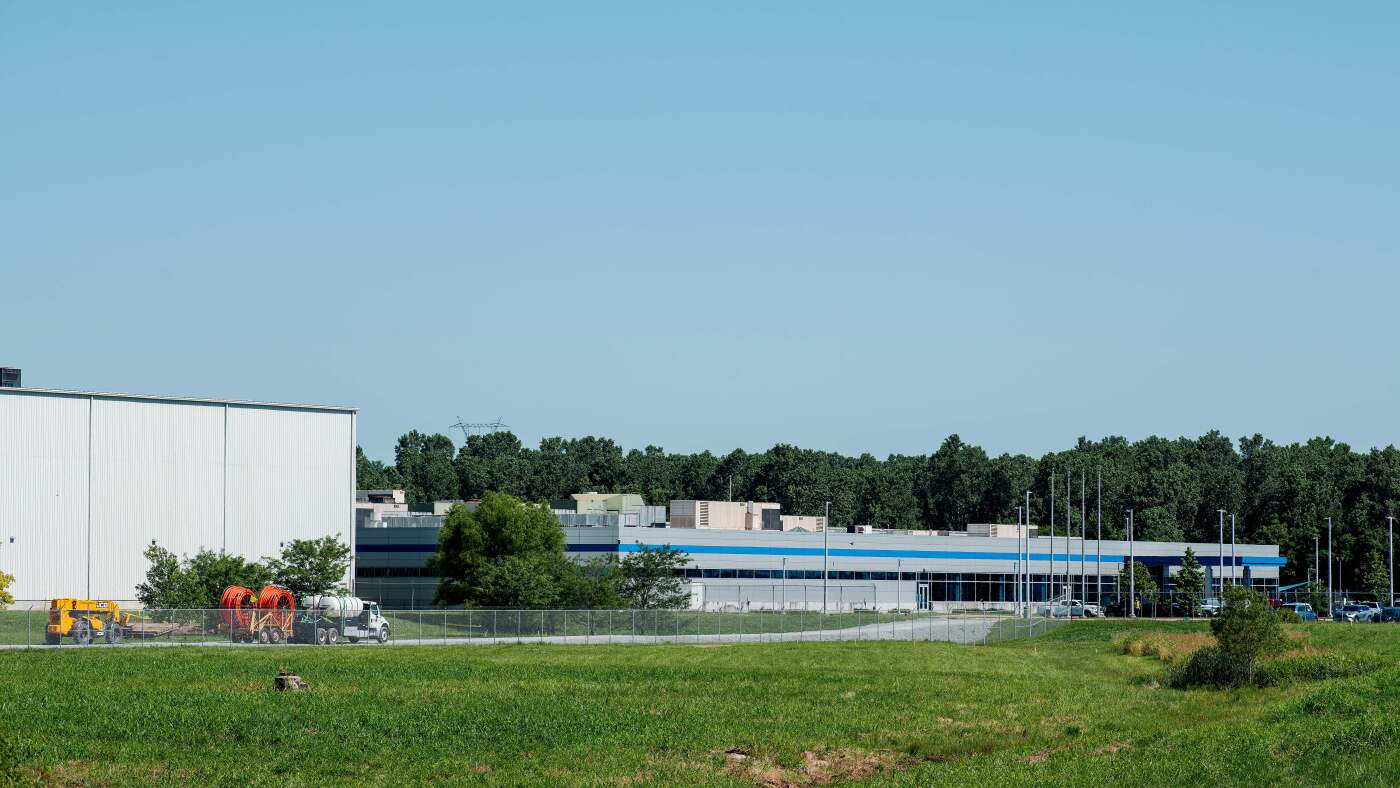
The small community in which the factory sits was surprised to learn about their new power-hungry neighbor. Utility officials signed NDAs, leaving civic groups and the local city council unaware of the plans for the site.

The new xAI supercomputing cluster is currently consuming 1 million gallons of the community’s drinking water per day, and 50 megawatts of power from the local utility, which it is augmenting with 18 mobile methane-powered gas turbines without obtaining any permits, according to the report.

With plans to double the size of the cluster, Musk’s factory is now facing increased scrutiny by local officials and the EPA.

More Tech

See all Tech
tech
Jon Keegan

White House releases AI legislative framework

The White House has released its policy wish list for AI legislation — and what it wants excluded.

Still, the odds of any actual AI regulation getting passed in Congress right now are very slim.

The “National Policy Framework” for AI lays out seven issues that the Trump administration wants to see reflected in any congressional action around AI.

The items listed in the framework include:

  • Child safety protections, age verification, and parental controls for AI.

  • Data center projects voluntarily pay their own way when it comes to power, but incentives should still be encouraged.

  • Copyright laws should allow for training models on copyrighted works, while protecting individuals’ voice and likeness.

  • Free speech should be defended for AI systems, preventing the government from pressuring companies to ban or alter content based on partisan agendas.

  • A light touch to regulation to encourage innovation, and no federal agency to regulate AI.

  • American workers vulnerable to AI job replacement should be retrained and supported.

  • Federal AI rules should preempt any state AI legislation to prevent a patchwork of laws that companies would hate.

The policy list is the latest in a series of proposals from the AI-friendly Trump administration.

The items listed in the framework include:

  • Child safety protections, age verification, and parental controls for AI.

  • Data center projects voluntarily pay their own way when it comes to power, but incentives should still be encouraged.

  • Copyright laws should allow for training models on copyrighted works, while protecting individuals’ voice and likeness.

  • Free speech should be defended for AI systems, preventing the government from pressuring companies to ban or alter content based on partisan agendas.

  • A light touch to regulation to encourage innovation, and no federal agency to regulate AI.

  • American workers vulnerable to AI job replacement should be retrained and supported.

  • Federal AI rules should preempt any state AI legislation to prevent a patchwork of laws that companies would hate.

The policy list is the latest in a series of proposals from the AI-friendly Trump administration.

tech
Jon Keegan

WSJ: OpenAI rolling everything into one desktop “superapp”

OpenAI is trying to eliminate distractions and focus on building AI that helps with enterprise productivity tasks like coding and organizing spreadsheets.

As part of that effort, the startup is consolidating some of its side quests into one superapp, according to a report from The Wall Street Journal.

The plan is to merge ChatGPT, Codex, and the Atlas browser together, as it seeks to focus its efforts as it competes with Anthropic and Google for lucrative enterprise customers.

OpenAI Head of Apps Fidji Simo told staffers in an internal memo that “we realized we were spreading our efforts across too many apps and stacks, and that we need to simplify our efforts. That fragmentation has been slowing us down and making it harder to hit the quality bar we want,” per the report.

The plan is to merge ChatGPT, Codex, and the Atlas browser together, as it seeks to focus its efforts as it competes with Anthropic and Google for lucrative enterprise customers.

OpenAI Head of Apps Fidji Simo told staffers in an internal memo that “we realized we were spreading our efforts across too many apps and stacks, and that we need to simplify our efforts. That fragmentation has been slowing us down and making it harder to hit the quality bar we want,” per the report.

Latest Stories

Sherwood Media, LLC produces fresh and unique perspectives on topical financial news and is a fully owned subsidiary of Robinhood Markets, Inc., and any views expressed here do not necessarily reflect the views of any other Robinhood affiliate, including Robinhood Markets, Inc., Robinhood Financial LLC, Robinhood Securities, LLC, Robinhood Crypto, LLC, Robinhood Derivatives, LLC, or Robinhood Money, LLC. Futures and event contracts are offered through Robinhood Derivatives, LLC.