

The True North
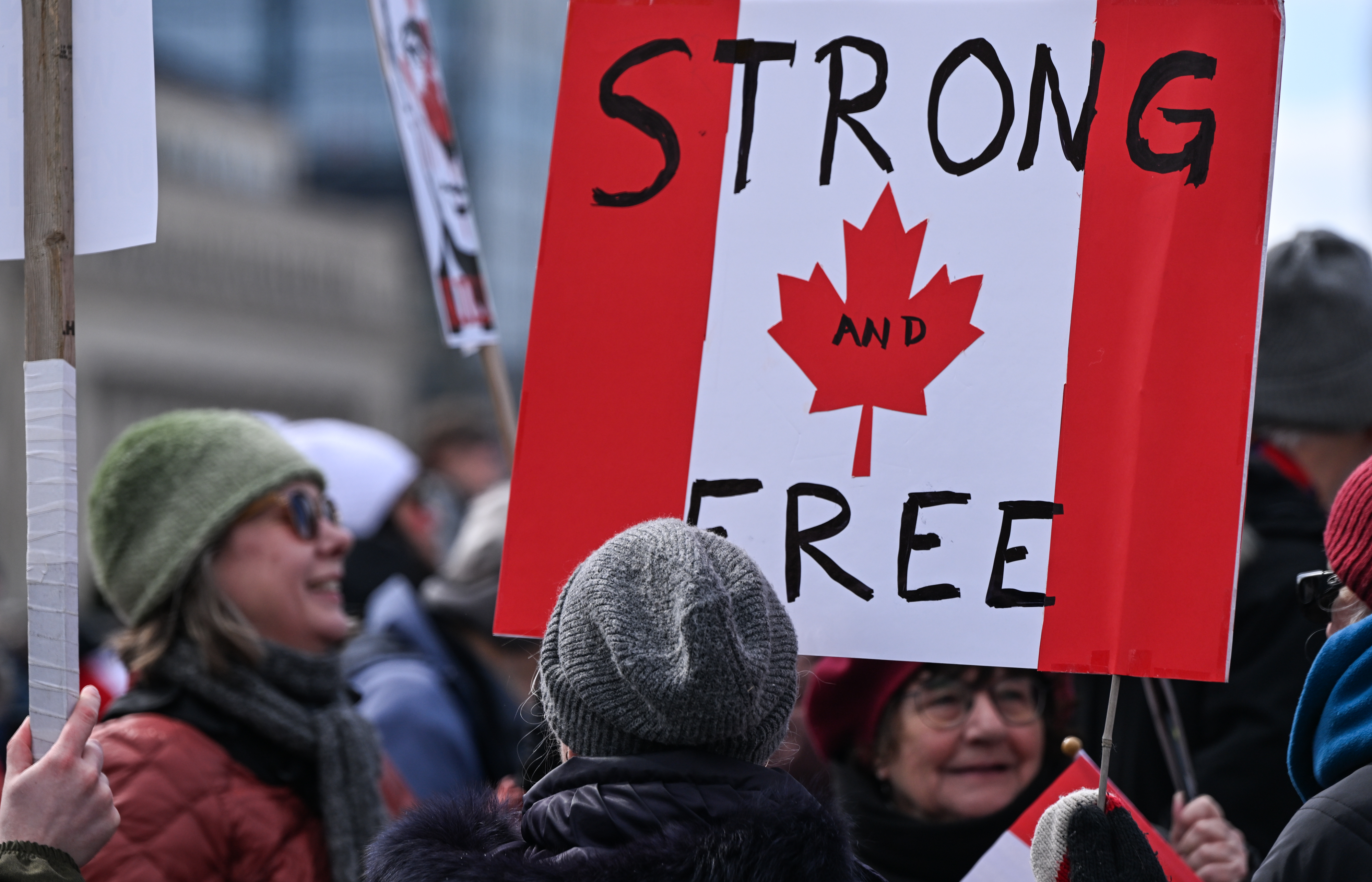
STRONG AND FREE
(of American-made products)

Canada’s backlash against Trump tariffs is reshaping our northern neighbors’ shopping habits
New Prime Minister Mark Carney says the old relationship Canada had with the United States “is over.”
A trip to a Canadian grocery store — where US-grown produce sits untouched on steep discount and new signage prompts buyers to avoid American goods — provides a quick lesson on the impact of President Donald Trump’s aggressive trade war tactics and “51st state” insults against sovereignty.
But that’s not the real lesson Americans should be taking away from a boycott movement that’s taken root across Canada in less than two months and will likely accelerate in April, when increased tariffs go into effect on exports like hardwood lumber and paper products. This isn’t simply a boycott in response to tariffs and counter tariffs: the US applied a 25% duty on Canadian products on March 4, with significant exceptions for energy, potash, and car parts, while Canada responded with 25% tariffs on $125 billion in US goods.
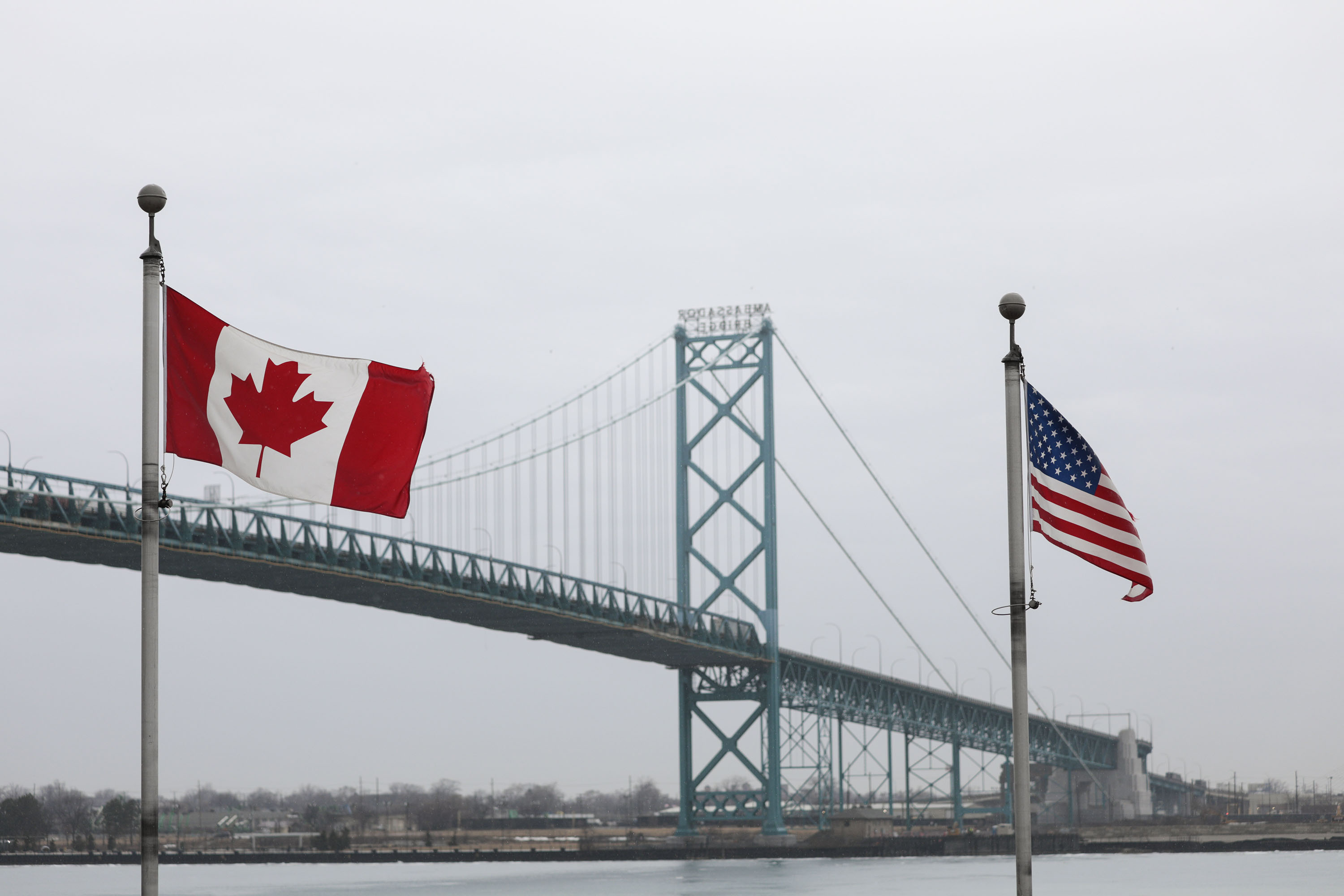
What’s happening in Canada is a long-term shift in purchasing behavior that stands to threaten the annual $762 billion in trade the US does with its biggest trading partner. National and provincial governments are now pledging money for financial support and ad campaigns for local brands. Prime Minister Mark Carney said just last week that “the old relationship we had with the United States based on deepening integration of our economies and tight security and military cooperation is over.”
In early March, a consumer survey found that two-thirds of Canadians are buying fewer American-made products, with 55% ordering less from Amazon. At the same time, the Canadian Federation of Independent Business found that members highlighting their Canadian origins have seen a 50% increase in the demand. TD Economics forecasts tariffs will last for at least six months, and its analysts “doubt Canada’s trade and tariff relationship will return to the pre-Trump state.”
“Anecdotally, it looks really substantial,” said Rob Gillezeau, an assistant professor of economics at the University of Toronto. “There are grocery stores where you literally have a large share of American products on sale because they can’t unload them. You have produce that is just rotting in the grocery store from the United States because people don’t want it. That isn’t normal. That’s super unusual.”
The Canadian economy was showing signs of growth through the end of last year, buoyed by rate cuts meant to stimulate the economy. Then the threat of tariffs, which are predicted to hurt growth for the foreseeable future, entered the picture.
Canadian anger about the American about-face on cross-border trade and threats of forcing the nation in a recession has been reflected in all levels of economic activity. There aren’t going to be that many American products that don’t have global alternatives, Gillezeau said. That includes brands in Canada currently rethinking their supplier network. Chapman’s, a Canadian ice cream company, made news by vowing to freeze its prices despite tariff pressures, a strategy that includes finding alternate sources for items sourced from US farms.
Everyday purchases have quickly been reconsidered, with a cottage industry of apps and a proliferation of Facebook groups offering advice on avoiding American brands. For example, Florida strawberry grower Wish Farms made an unfortunate appearance in a viral Reddit thread showing how Canadian shoppers are steering clear of American fruit. Wish declined to comment.
In response to a query about its decision to pause purchasing of US products, the Liquor Control Board of Ontario reported that it’s stopped selling more than 3,600 US products, which generated $965 million in annual sales, “until the LCBO is directed to resume normal business.” Loblaw CEO Per Bank has commented in frequent LinkedIn posts that sales of Canadian products in its grocery stores were up more than 10% in February, the chain has onboarded dozens more Canadian brands so far this year, and it plans to continue diversifying its supplier network away from the United States.
“If tariffs remain in place and tensions continue over several months, Canadians will likely become even more conscious of where their money is going,” said Dylan Lobo, the founder of Made In CA, a website listing domestic items and alternatives. “At the same time, if local brands can sustain the momentum and prove they’re competitive on price and quality, we could see a long-term shift toward buying Canadian — not just as a protest, but as a new norm.”
Maple Scan, an app created by Calgary-based coder Alexander Ivanov in response to the boycotts, came together in a few days, was released February 11, and has been downloaded 80,000 times. Users have tended to use the app to find quick replacements for everyday commodities like drinks, condiments, or peanut butter. So far, the list of items that users have scanned totals more than 50,000 at stores across Canada. (The average grocery store stocks about 30,000 items.) These apps, websites, and Reddit threads have helped bolster independent Canadian businesses.
“Users have told me this has permanently changed the way they shop,” Ivanov said. “Regardless of what happens in the future, this has been a real uniting force across Canada.”
It’s also decimating US businesses that depend on Canadian tourism and travel dollars. Members of the Canadian-based National Tour Association, which books US trips for Canadian travelers, say the drop-off in bookings is “astronomical,” the business cancellations are “devastating,” and the situation is “bleak.” One tour operator told the NTA that with 85% of its business focused on US inbound travel, every departure in March, April, and May has been canceled. A recent study of Canadian flight bookings shows demand down more than 70% compared to the same time last year.
NTA President Catherine Prather said this sharp decline in group travel will mean US businesses — including tour operators, hotels, restaurants, attractions, shopping venues, sports arenas, and experience providers — are losing out on millions of dollars in revenue this year from cancellations, and local governments are losing millions in tax revenue. The effects will be felt nationwide, but especially in Washington state, Oregon, New York state, and Michigan.
Gillezeau said the impacts on American brands will vary; a particularly bad actor like Tesla will get hit quite hard, while Ben & Jerry’s, for example, probably won’t take as strong a hit because people know its politics. “It’s a matter of the degree to which a firm can mask its national identity,” he said.
That may be especially hard for agricultural goods. Canada is the second-largest market for US agricultural exports, importing more than $20 billion annually, including two-thirds of Canada’s vegetables and one-third of its fruit. Loblaw CEO Bank has said rising prices and the Buy Canada movement may push buyers toward its in-house generic brands. Empire, the second-largest grocer in Canada, said sales of US products are “rapidly dropping.”
While the consequences of these tariffs and counter tariffs remain to be seen in economic data, early observations suggest a shift is taking place. Trump’s tariffs and his rhetoric about Canada have pushed more people toward making deliberate choices to buy Canadian, Lobo said, out of a sense of frustration and defiance. That sentiment will be tested in coming months as US brands decide whether or not to continue big expansion plans. Fast-food chains like Jersey Mike’s and Shake Shack just announced plans to add dozens of new locations, while Walmart Canada announced a $4.5 billion investment in new stores.
“In general, boycotts don’t typically work,” Gillezeau said. “If this shows up in any data, this is a very meaningful boycott.”