World
CO2 emissions chart
Sherwood News

Tensions have risen at COP29 as the climate change cost climbs

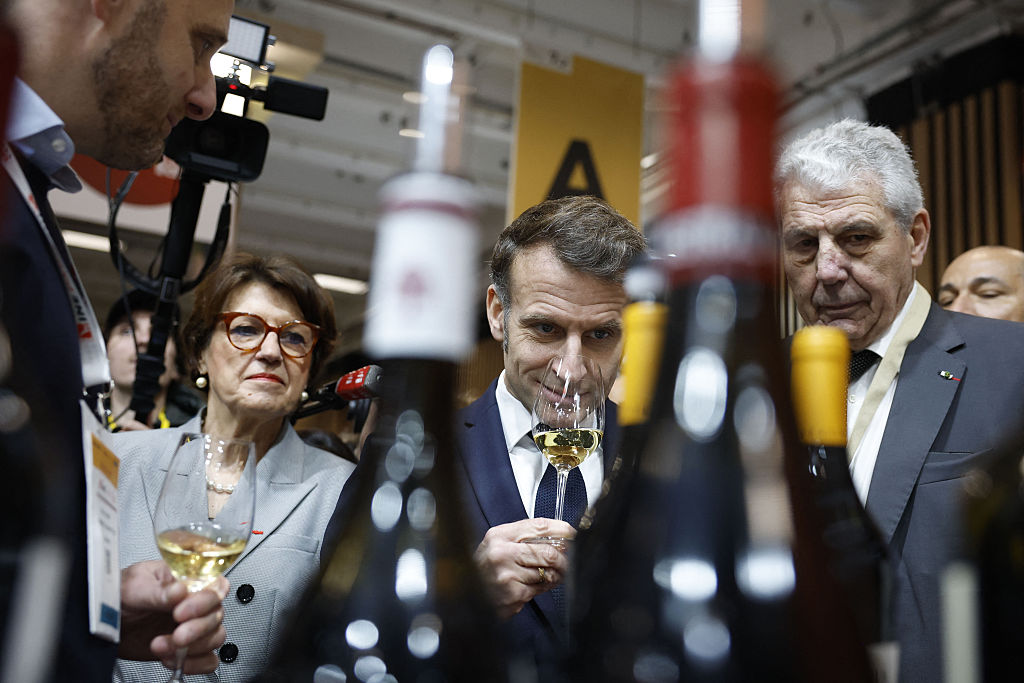
Like the worst guests around the dinner table, nations at the COP29 climate summit keep arguing about who should foot the bill, as many world leaders look to increase eco spending goals to over $1 trillion each year going forward

Argentinian representatives withdrew completely from the summit yesterday, and the French Minister of Ecological Transition, Energy, Climate and Risk also pulled out after a damning speech on Wednesday from the president of the host nation, Azerbaijan. 

Burning issues

While tensions at the UN’s annual climate conference are nothing new, the prickly heat at this year’s COP summit feels slightly more intense, with some representatives — and many more experts beside — acknowledging the need for more funds to fight the global climate crisis. As the goal of keeping global warming at 1.5 degrees, set as part of the Paris Agreement in 2016, looks shaky by some measures, some notable climate experts have been questioning how fit for purpose the COP talks themselves actually are. 

The core issue remains a classic tragedy of the commons. The expensive and time-consuming change required to meaningfully curb emissions at the individual country-level can be negated by almost any nation and it’s not easy to get world leaders to agree on where the easiest progress can be made. China, for example, is the world’s biggest polluter in aggregate emissions. But once you adjust for population, it’s not even close to the top of the polluting tables. Indeed, while CO2 emissions per capita have ticked down from their previous peaks in nations like Russia, the UK, and the US, they’ve been steadily rising in fast-growing economies like China and India, according to figures from Our World in Data.

More World

See all World
world

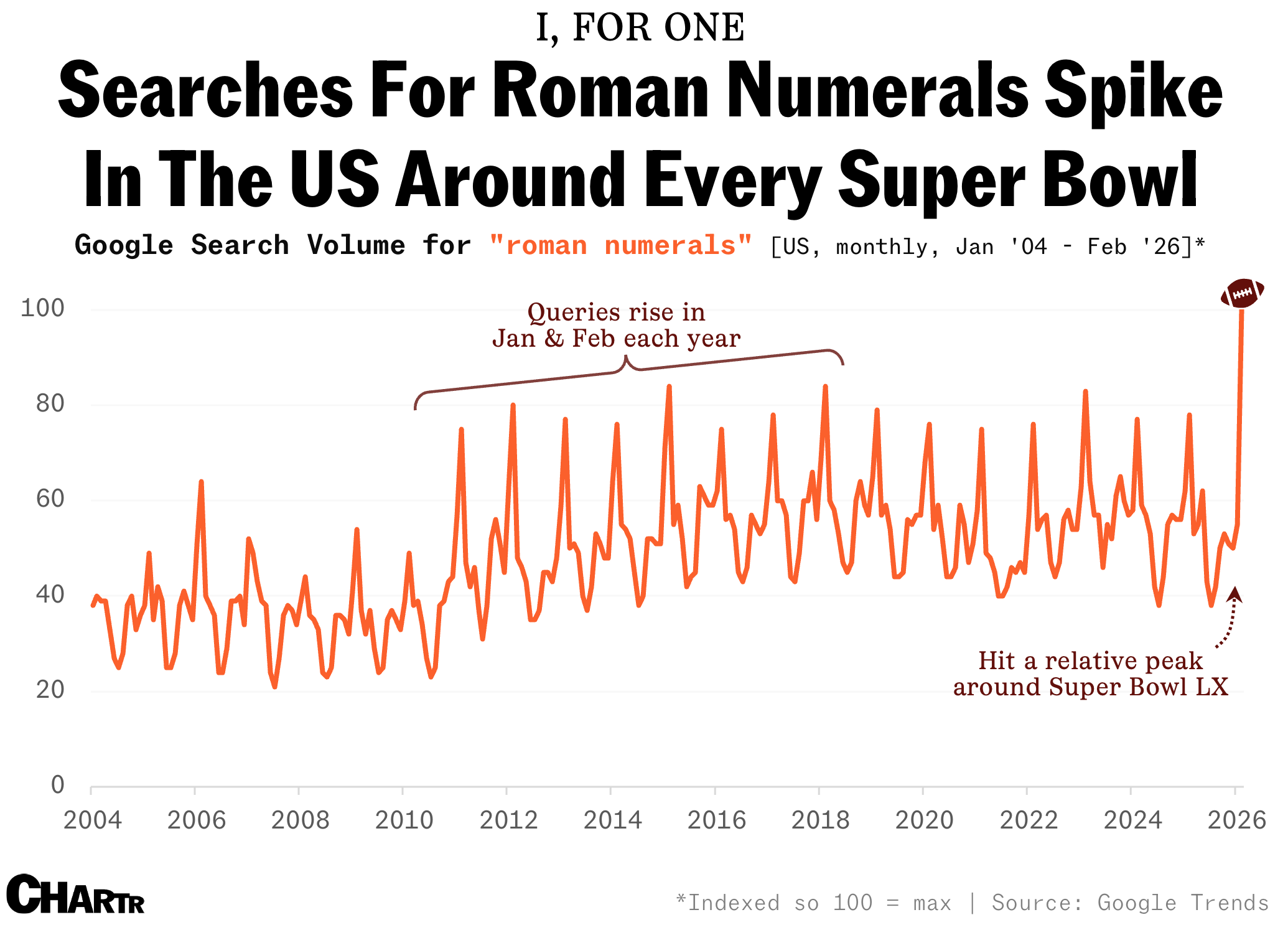
Google searches for “roman numerals” hit a new peak this Super Bowl

Following on from last year’s Super Bowl LIX, and Super Bowl LVIII before that, you’d be forgiven for thinking that the title “Super Bowl LX” might have created less confusion than previous iterations.

But it seems that the archaic notation denoting this year’s Big Game was no exception: monthly search volumes for “roman numerals” in the US were at the highest volume seen in over two decades this February, according to Google Trends data.

Roman numerals super bowl
Sherwood News

If people in shoulder pads throwing around a weirdly shaped ball is your Roman Empire, one thing you have to know is Roman numerals — or join the millions who turn to Google to work out how to read them every Super Bowl season.

Ironically, according to the NFL, the numbering system was adopted for clarity, as the game is played at the start of the year “following a chronologically recorded season.” And so, over its 60-year history, the NFL has labeled almost every Super Bowl with a selection of capital letters like X’s, I’s, and V’s — one of the rare exceptions being Super Bowl 50 in 2016, when the NFL ad designers felt Super Bowl L was too unmarketable.

At least stumped football fans in 2026 will be faring much better than those in the year 12,965 would be, who’d have to refer to the Big Game as Super Bowl (breathes in) MMMMMMMMMMDCCCCLXXXXVIIII.

Latest Stories

Sherwood Media, LLC produces fresh and unique perspectives on topical financial news and is a fully owned subsidiary of Robinhood Markets, Inc., and any views expressed here do not necessarily reflect the views of any other Robinhood affiliate, including Robinhood Markets, Inc., Robinhood Financial LLC, Robinhood Securities, LLC, Robinhood Crypto, LLC, or Robinhood Money, LLC.