

Business
business

Apple stock dips as China considers probing its App Store practices

Apple shares sunk 3% in premarket trading on Wednesday after Bloomberg reported that China’s antitrust watchdog is considering looking into the iPhone maker’s App Store fees.

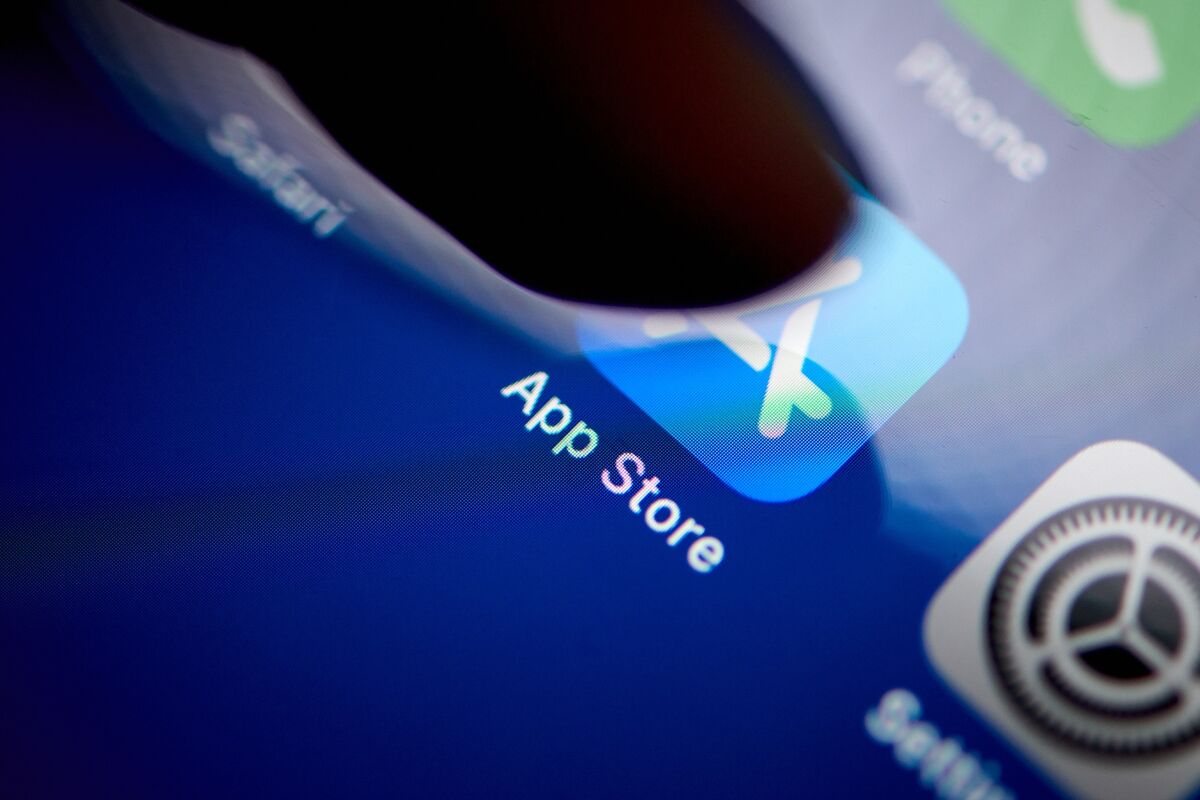
Citing people familiar with the matter, Bloomberg reports that China’s State Administration for Market Regulation is interested in examining Apple’s policies, including its blocking of third-party payment services and how much the company charges developers for in-app spending — sales of which Apple often takes a 30% cut on.

Though the regulator hasn’t decided whether to formally open an investigation into Apple yet, it’s a further headache for Apple’s already struggling Chinese business if it does go through: the tech giant has recently been dethroned as the top smartphone seller in China, dropping to the No. 3 spot after local makers Vivo and Huawei.

The threat of a probe also comes at a time when tit-for-tat trade tensions are building up between China and the new Trump administration. The Chinese watchdog also opened an investigation into Google and Intel over an alleged antitrust violation earlier this week.

Wedbush Securities analyst Dan Ives estimates that “Apple gets roughly $5 billion per year annually from China around App Store so it’s less about revenue exposure for investors and more about building US/China tensions with US Big Tech in line for retaliatory shots across the bow.”

Though the regulator hasn’t decided whether to formally open an investigation into Apple yet, it’s a further headache for Apple’s already struggling Chinese business if it does go through: the tech giant has recently been dethroned as the top smartphone seller in China, dropping to the No. 3 spot after local makers Vivo and Huawei.

The threat of a probe also comes at a time when tit-for-tat trade tensions are building up between China and the new Trump administration. The Chinese watchdog also opened an investigation into Google and Intel over an alleged antitrust violation earlier this week.

Wedbush Securities analyst Dan Ives estimates that “Apple gets roughly $5 billion per year annually from China around App Store so it’s less about revenue exposure for investors and more about building US/China tensions with US Big Tech in line for retaliatory shots across the bow.”


More Business

See all Business
Capsule Pill and Dots

Justice Department accuses telehealth Zealthy of fraud, says remedy may bankrupt it

The feds say they don’t think Zealthy has the liquidity to pay what it owes customers.

Netflix playground

Will investing in kids games finally make Netflix Games “the Netflix of games”?

Netflix is launching a game for preschoolers, its latest foray into stuff-you-play instead of stuff-you-watch.

business

American Airlines joins the flock, hiking bag fees amid higher jet fuel prices

American Airlines on Thursday announced that it, too, will be hiking the fees it charges customers to check luggage.

With the move, all four of the major US airlines, which together control about 80% of the US market, have now hiked their baggage fees in recent days amid surging jet fuel prices.

The change will go into effect on tickets bought on or after Thursday, the same day Southwest’s hike begins.

Since late March, JetBlue, Delta Air Lines, United Airlines, Canada’s WestJet, and Southwest have hiked their fees. Experts expect more major carriers to follow, and to potentially tweak the pricing of other ancillary revenue sources like seat assignments and carry-on luggage.

The change will go into effect on tickets bought on or after Thursday, the same day Southwest’s hike begins.

Since late March, JetBlue, Delta Air Lines, United Airlines, Canada’s WestJet, and Southwest have hiked their fees. Experts expect more major carriers to follow, and to potentially tweak the pricing of other ancillary revenue sources like seat assignments and carry-on luggage.

business

Less than a year after implementing them, Southwest is also hiking its bag fees

Southwest Airlines has joined the growing list of airlines opting to hike their bag fees amid sustained higher jet fuel costs.

Starting today, the first checked bag at the carrier — which implemented bag fees less than a year ago — will jump from $35 to $45, and the second from $45 to $55. Southwest quietly disclosed the change Tuesday.

Southwest assigned the decision to “part of an ongoing analysis of the business and against the evolving global backdrop.”

As of Wednesday, jet fuel prices dropped to $4.16 a gallon, per the Argus US Jet Fuel Index, down from $4.81 on Tuesday following President Trump’s ceasefire announcement, which sent travel stocks soaring. Major airlines have shed some of those gains in premarket trading Thursday.

With the move to hike bag fees, Southwest joins JetBlue, United Airlines, Delta Air Lines, and Canada’s WestJet, all of which also boosted fees this month. Experts expect more major carriers to follow, and to potentially tweak the pricing of other ancillary revenue sources like seat assignments and carry-on luggage.

Southwest assigned the decision to “part of an ongoing analysis of the business and against the evolving global backdrop.”

As of Wednesday, jet fuel prices dropped to $4.16 a gallon, per the Argus US Jet Fuel Index, down from $4.81 on Tuesday following President Trump’s ceasefire announcement, which sent travel stocks soaring. Major airlines have shed some of those gains in premarket trading Thursday.

With the move to hike bag fees, Southwest joins JetBlue, United Airlines, Delta Air Lines, and Canada’s WestJet, all of which also boosted fees this month. Experts expect more major carriers to follow, and to potentially tweak the pricing of other ancillary revenue sources like seat assignments and carry-on luggage.

Latest Stories

Sherwood Media, LLC produces fresh and unique perspectives on topical financial news and is a fully owned subsidiary of Robinhood Markets, Inc., and any views expressed here do not necessarily reflect the views of any other Robinhood affiliate, including Robinhood Markets, Inc., Robinhood Financial LLC, Robinhood Securities, LLC, Robinhood Crypto, LLC, Robinhood Derivatives, LLC, or Robinhood Money, LLC. Futures and event contracts are offered through Robinhood Derivatives, LLC.