

Business
business

Automakers say China’s rare earth magnets stranglehold could cause massive production issues in weeks

Automakers are only about two years past the global semiconductor shortage that squeezed production.

Now, a new potentially major supply issue is brewing, caused by China’s control over rare earth magnets.

Rare earth magnets are used throughout modern vehicles, including in motors, windshield wipers, doors, and window switches. China, which controls about 90% of the world’s supply of the elements, is said to have excessively slowed its export since early April.

According to reporting from The Wall Street Journal, impending factory shutdowns are causing some US automakers to weigh shocking solutions like moving EV motor production to China or even shipping US-built motors to China, installing the magnets, and shipping them back.

Last month, the shortage caused a Ford plant in Chicago to halt production for a week.

“It’s a major issue for the industry. I don’t think the industry is very well prepared to deal with it,” Bank of America’s senior auto analyst, John Murphy, said at a virtual media event on Wednesday. “Over time, if it’s not solved, it’s going to become a very expensive problem. I mean, I think it’s kind of a new potential shock to the system.”

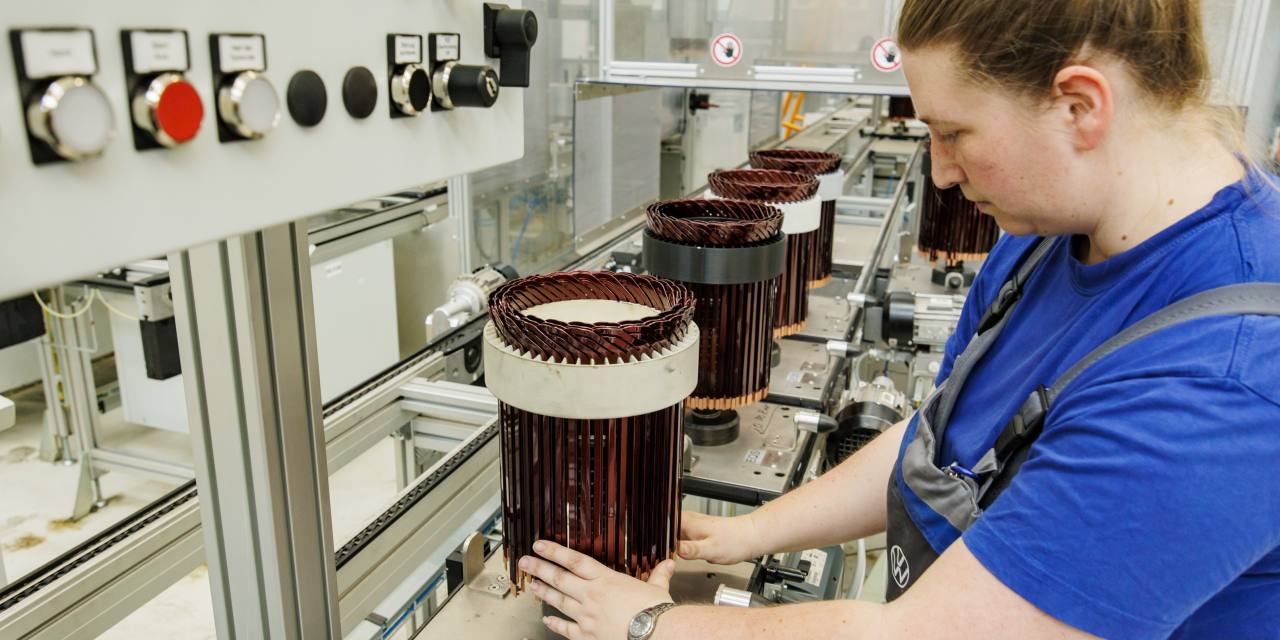
Rare earth magnets are used throughout modern vehicles, including in motors, windshield wipers, doors, and window switches. China, which controls about 90% of the world’s supply of the elements, is said to have excessively slowed its export since early April.

According to reporting from The Wall Street Journal, impending factory shutdowns are causing some US automakers to weigh shocking solutions like moving EV motor production to China or even shipping US-built motors to China, installing the magnets, and shipping them back.

Last month, the shortage caused a Ford plant in Chicago to halt production for a week.

“It’s a major issue for the industry. I don’t think the industry is very well prepared to deal with it,” Bank of America’s senior auto analyst, John Murphy, said at a virtual media event on Wednesday. “Over time, if it’s not solved, it’s going to become a very expensive problem. I mean, I think it’s kind of a new potential shock to the system.”

More Business

See all Business
Daily Life In Warsaw

Smartphones are 12% cheaper than last year, according to the latest inflation data... except they’re not

Phones are one of a few important categories that get quality, or “hedonic,” adjustments in the Consumer Price Index — which make their price go down in the official statistics.

business

Texas sues Netflix, accusing streamer of spying on children and collecting user data without consent

The state of Texas filed a lawsuit Monday against streaming giant Netflix, alleging that the company has built a “behavioral-surveillance program of staggering scale.”

The suit alleges that Netflix is “deceptively designed” to be addictive, using features like autoplay to get viewers hooked, “mining those users for data, and then converting that data into lucrative intelligence for global advertising juggernauts.”

“When you watch Netflix, Netflix watches you,” the lawsuit reads.

“This lawsuit lacks merit and is based on inaccurate and distorted information,” Netflix said in a statement to Sherwood News. “Netflix takes our members’ privacy seriously and complies with privacy and data‑protection laws everywhere we operate.”

Texas is seeking civil penalties of “up to $10,000 per violation” of the Texas Deceptive Trade Practices-Consumer Protection Act, along with an additional penalty of up to $250,000 per violation involving a consumer aged 65 or older.

“Netflix is not the ad-free and kid-friendly platform it claims to be. Instead, it has misled consumers while exploiting their private data to make billions,” said Texas Attor­ney Gen­er­al Ken Pax­ton in the press release announcing the lawsuit.

Netflix did not immediately respond to a request for comment.

“This lawsuit lacks merit and is based on inaccurate and distorted information,” Netflix said in a statement to Sherwood News. “Netflix takes our members’ privacy seriously and complies with privacy and data‑protection laws everywhere we operate.”

Texas is seeking civil penalties of “up to $10,000 per violation” of the Texas Deceptive Trade Practices-Consumer Protection Act, along with an additional penalty of up to $250,000 per violation involving a consumer aged 65 or older.

“Netflix is not the ad-free and kid-friendly platform it claims to be. Instead, it has misled consumers while exploiting their private data to make billions,” said Texas Attor­ney Gen­er­al Ken Pax­ton in the press release announcing the lawsuit.

Netflix did not immediately respond to a request for comment.

Latest Stories

Sherwood Media, LLC and Chartr Limited produce fresh and unique perspectives on topical financial news and are fully owned subsidiaries of Robinhood Markets, Inc., and any views expressed here do not necessarily reflect the views of any other Robinhood affiliate, including Robinhood Markets, Inc., Robinhood Financial LLC, Robinhood Securities, LLC, Robinhood Crypto, LLC, Robinhood Money, LLC, Robinhood U.K. Ltd, Robinhood Derivatives, LLC, Robinhood Gold, LLC, Robinhood Asset Management, LLC, Robinhood Credit, Inc., Robinhood Ventures DE, LLC and, where applicable, its managed investment vehicles.