Business
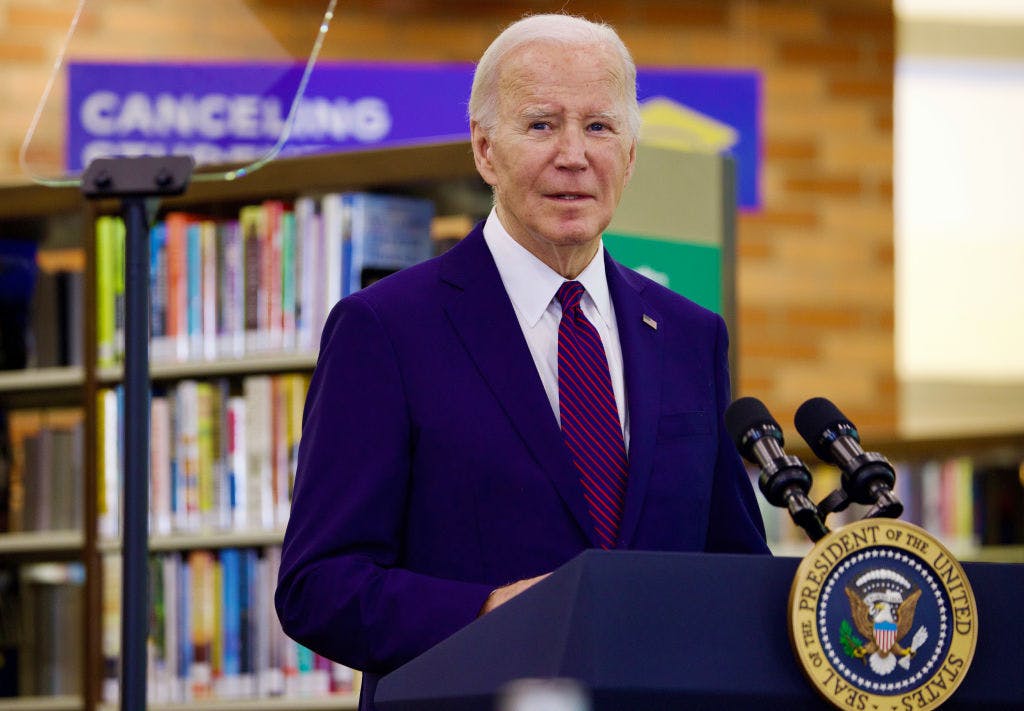
Biden announces cancellation of an additional $1.2 billion in student loan debt for about 153,000 borrowers.
President Joe Biden announcing the cancellation of an additional $1.2 billion in student loan debt (Irfan Khan/Getty Images)
Weird Money

How PE firms could be the unlikely beneficiaries of Biden's student-loan forgiveness plan

Private equity is buying up private student loan debt by the billions. The government forgiving federal student debt could make their purchases less risky.

Jack Raines

In the latest rendition of “private equity firms are eating the world,” KKR and Carlyle have acquired $10 billion in private student loans from Discover Financial, per The Wall Street Journal:

Private-equity firms are helping traditional lenders shed credit risks by acquiring student loans even as debt forgiveness remains a hot topic in Washington. 

Carlyle Group and KKR underlined the trend in July, when they bought a $10.1 billion portfolio of private student loans at auction from Discover Financial Services, a digital banking and payment services company, with the purchase price expected to reach about $10.8 billion once the deal closes later this year. Half of the loans carry fixed rates and the rest have floating rates, according to the asset managers... 

My first thought when reading this was: “Why?” Yes, these firms have billions of dollars that need to be deployed somewhere, but student loans seemed odd, especially considering the Biden administration’s insistence on forgiving billions of dollars of student loans. However, this forgiveness is actually a tailwind for the loans that these funds purchased, according to Carlyle’s head of credit strategic solutions, Akhil Bansil:

“Forgiveness of the federal student loans can be a credit positive for us as the private student loan owners,” Bansal said. “If the government were to forgive the federal loans, that makes that student more creditworthy to service our loan.” 

Most student borrowers take out both federal and private loans, with interest rates as high as 9% on the former compared with as high as 17% for the latter, according to consumer financial-services company Bankrate.

How does that make sense? Because Biden’s student loan forgiveness plan applies to federal loans, which were issued by the government, not private loans such as those purchased by Carlyle and KKR. 

While the Supreme Court blocked the Biden administration’s attempt to forgive $430 billion in student loans, the White House has still approved nearly $169 billion in loan forgiveness for ~4.8 million people, and according to CNBC, the president may start forgiving this student debt as early as October.

As the Journal piece mentioned, “most student borrowers take out both federal and private loans,” so, if Biden were to forgive $169 billion in federal debt, those borrowers would be able to more easily repay their private loans, many of which are now held by KKR and Carlyle. Basically, the White House's student loan forgiveness plan, while helping borrowers, also had a wild unintended consequence: derisking the loan portfolios of two of the world's largest PE funds.

More Business

See all Business
The entrance of Allbirds seen from Hayes St. in San Francisco, Calif.

Allbirds, the once buzzy multibillion-dollar sneaker startup, is selling up for $39 million

That’s less than 1% of its peak market cap about four years ago.

Tom Jones3/31/26
business

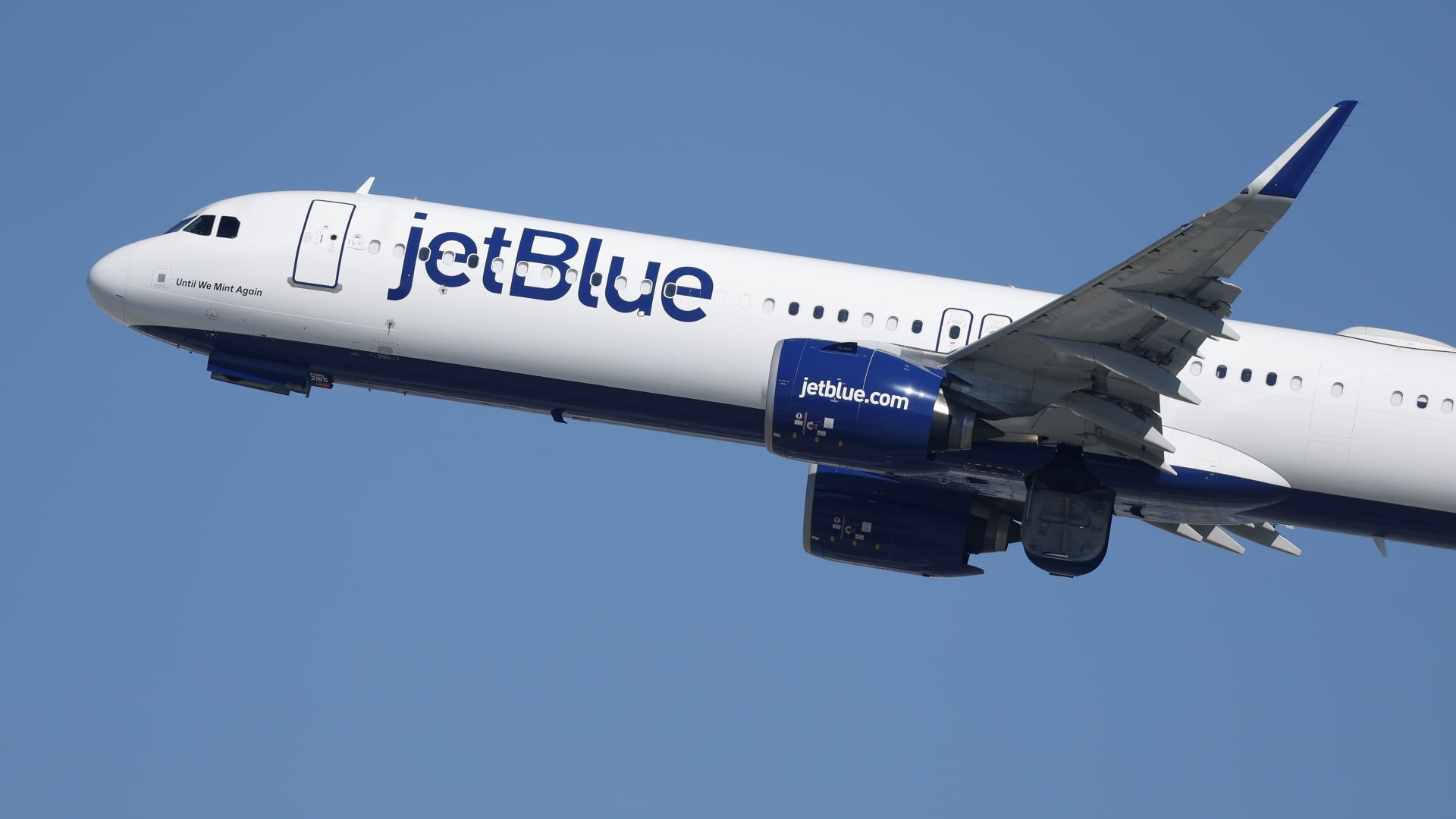
JetBlue is raising its bag fees as fuel costs squeeze airlines

JetBlue will reportedly hike its bag fees, as the cost of jet fuel continues to climb amid the war in Iran. It’s the latest example of carriers finding ways to push rising costs onto travelers.

Last week, United Airlines CEO Scott Kirby said that if fuel prices remain elevated, fares would need to rise another 20% for his airline to break even this year.

As CNBC reported, when one airline raises fees, others tend to follow.

Earlier this month, JetBlue hiked its first-quarter outlook for operating revenue per seat mile to between 5% and 7%, saying that strong Q1 demand helped “partially offset additional expenses realized from operational disruptions and rising fuel costs.” Now, the carrier appears to be making moves to further boost revenue to offset those costs.

Earlier on Monday, JetBlue rival Alaska Air lowered its Q1 profit forecast. The refining margins for the carrier’s cheapest fuel option — sourced from Singapore and representing about 20% of Alaska’s overall supply — have spiked 400% since February.

JetBlue did not immediately respond to a request for comment.

As CNBC reported, when one airline raises fees, others tend to follow.

Earlier this month, JetBlue hiked its first-quarter outlook for operating revenue per seat mile to between 5% and 7%, saying that strong Q1 demand helped “partially offset additional expenses realized from operational disruptions and rising fuel costs.” Now, the carrier appears to be making moves to further boost revenue to offset those costs.

Earlier on Monday, JetBlue rival Alaska Air lowered its Q1 profit forecast. The refining margins for the carrier’s cheapest fuel option — sourced from Singapore and representing about 20% of Alaska’s overall supply — have spiked 400% since February.

JetBlue did not immediately respond to a request for comment.

Latest Stories

Sherwood Media, LLC produces fresh and unique perspectives on topical financial news and is a fully owned subsidiary of Robinhood Markets, Inc., and any views expressed here do not necessarily reflect the views of any other Robinhood affiliate, including Robinhood Markets, Inc., Robinhood Financial LLC, Robinhood Securities, LLC, Robinhood Crypto, LLC, Robinhood Derivatives, LLC, or Robinhood Money, LLC. Futures and event contracts are offered through Robinhood Derivatives, LLC.