Business
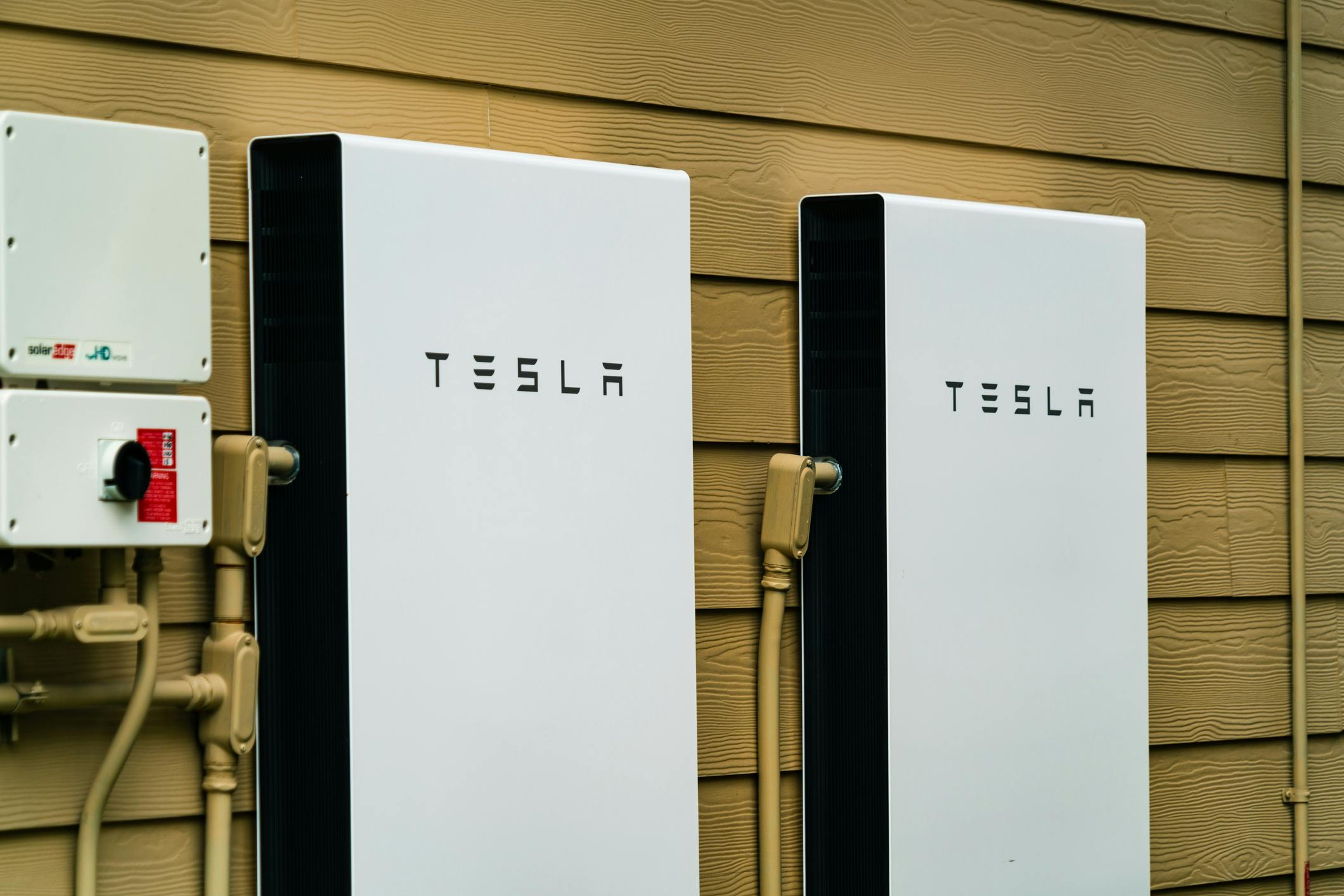
Tesla Powerwall Home Energy Battery Storage
Tesla Powerwalls (Getty Images)

The fastest-growing part of Tesla’s business isn’t selling cars

The lesser-known energy generation and storage business was juiced up in Q3, delivering a 31% gross profit margin

Elon Musk is a lot richer this morning than he was last night, as Tesla stock is soaring in early trading after reporting better-than-expected profit margins, despite a miss on revenue, in its Q3 earnings.

The closely watched gross margin came in at 19.8%, way ahead of expectations for a print of 16.8%, as investors get over the fact that revenue from actually selling cars has slipped into neutral, rising just over 1% in the last year.

Externally, the company is increasingly billing itself as anything but a car company, with robotaxis and humanoids key to its future (maybe). But, while those didn’t have any explicit impact on the company’s actual numbers this quarter, what is firing on all cylinders is the company’s energy-generation and storage business, which reported growth north of 50%, by far the best of Tesla’s divisions.

Not only is the energy-generation and storage business growing rapidly, but on a relative basis it’s also significantly more profitable for Tesla than selling cars: the company reported a 31% gross profit margin from its energy efforts, nearly double the 16% from automotive sales. It’s worth noting, of course, that nothing beats the $739 million worth of pure profit from automotive regulatory credits.

The company’s energy business ranges from Megapack, a product aimed at large-scale utilities deployment, to products geared for end customers in smaller households like the Tesla Powerwall, and it also sells and installs solar-power systems.
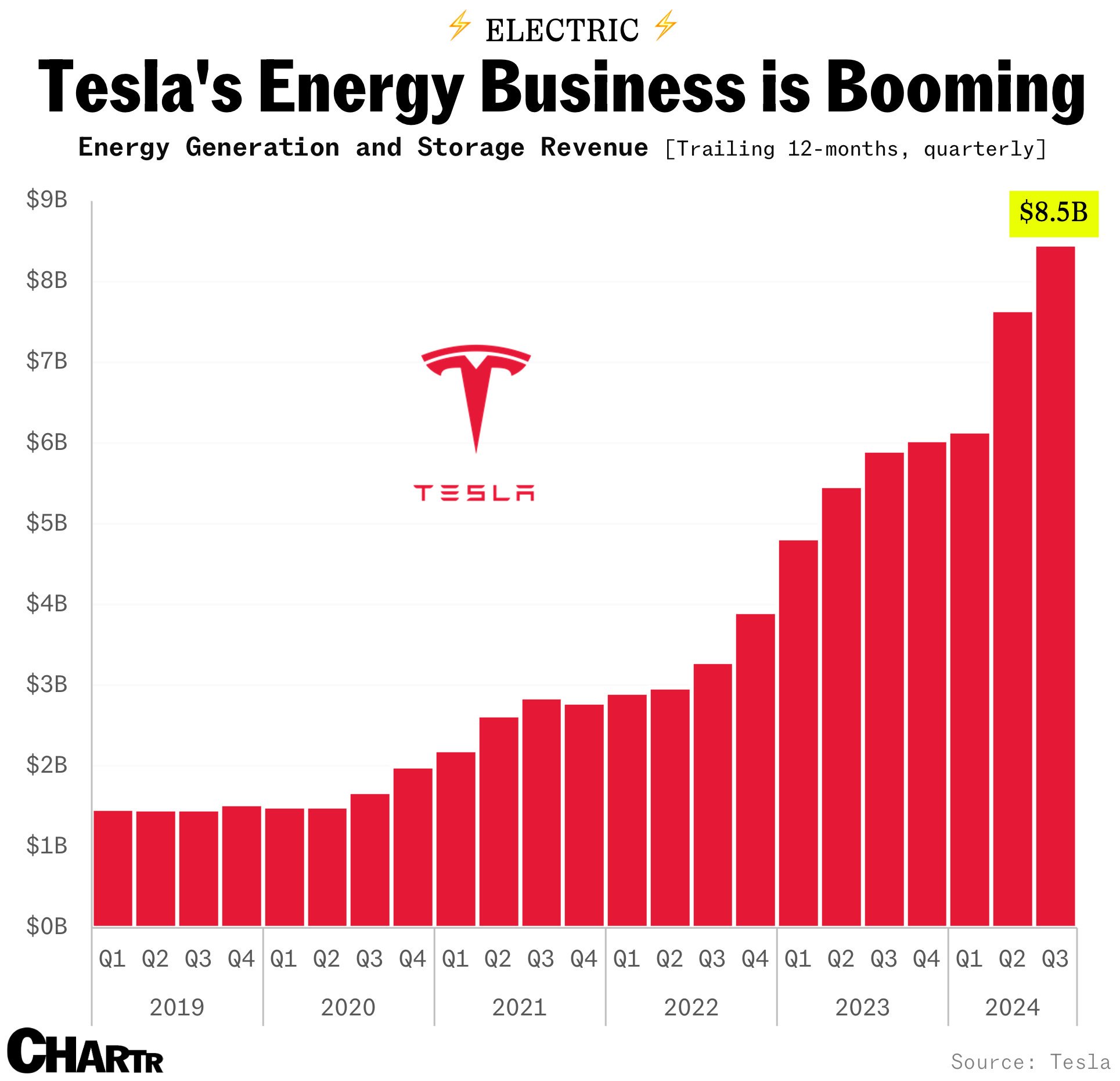
Tesla Energy Generation Revenue
Sherwood News

Demand for Tesla’s energy-storage solutions is expected to only expand, especially with growing installations of renewable-energy sources like wind and solar, which can be volatile and require battery solutions to store the excess energy when its not blowing hard enough or sunny enough. The outlook for EV charging services like Tesla’s Supercharger is also bright, with America’s EV infrastructure struggling to meet demands and the ambitious roadmap to 2030.

CEO Elon Musk also said on an earnings call that car sales would likely get back to growth next year, predicting that Tesla’s deliveries could rise 20% to 30% next year. Of course, many Elon Musk predictions haven’t come true.

More Business

See all Business
Family Watching Baseball On Tv

Netflix and Disney+ probably only added ad-tier subscribers this year, says Morgan Stanley

As streaming prices climb, ad-free subscribers are becoming a rarity.

Aldi Grand Opening

Discount stores are having a moment in America, drawing high- and low-income consumers alike

Everyone loves a deal in 2025 — and Aldi, Walmart, and Dollar Tree are all cashing in.

Millie Giles12/17/25
business

Report: OpenAI won’t pay a dime in cash for its 3-year licensing deal for Disney IP

More financial details behind the landmark deal that will grant OpenAI three years of access to Disney intellectual property are coming out, and they’re pretty surprising.

The deal will reportedly see OpenAI pay zero dollars in licensing fees, instead compensating Disney in stock warrants. It was previously reported that Disney would invest $1 billion into OpenAI as part of the agreement.

It’s very abnormal for Disney to grant anyone access to its massive IP library without a cash payment, and the entertainment juggernaut has been known to strike down even crocheted Etsy Yodas for infringing on its turf. In its fiscal year 2025, Disney booked more than $10 billion in revenue from licensing fees across merchandising, television, and theatrical distribution.

It’s very abnormal for Disney to grant anyone access to its massive IP library without a cash payment, and the entertainment juggernaut has been known to strike down even crocheted Etsy Yodas for infringing on its turf. In its fiscal year 2025, Disney booked more than $10 billion in revenue from licensing fees across merchandising, television, and theatrical distribution.

business

Ford says it will take $19.5 billion in charges in a massive EV write-down

The EV business has marked a long stretch of losing for Ford, and today the automaker announced it will take $19.5 billion in charges tied, for the most part, to its EV division.

Ford said it’s launching a battery energy storage business, leveraging battery plants in Kentucky and Michigan to “provide solutions for energy infrastructure and growing data center demand.”

According to Ford, the changes will drive Ford’s electrified division to profitability by 2029. The company will stop making its electric F-150, the Lightning, and instead shift to an “extended-range electric vehicle” that includes a gas-powered generator.

The Detroit automaker also raised its adjusted earnings before interest and taxes outlook to “about $7 billion” from a range of $6 billion to $6.5 billion.

Ford’s write-down is one of the largest taken by a company as legacy automakers scale back on EVs, giving EV-only automakers a market share boost.

Latest Stories

Sherwood Media, LLC produces fresh and unique perspectives on topical financial news and is a fully owned subsidiary of Robinhood Markets, Inc., and any views expressed here do not necessarily reflect the views of any other Robinhood affiliate, including Robinhood Markets, Inc., Robinhood Financial LLC, Robinhood Securities, LLC, Robinhood Crypto, LLC, or Robinhood Money, LLC.