Business
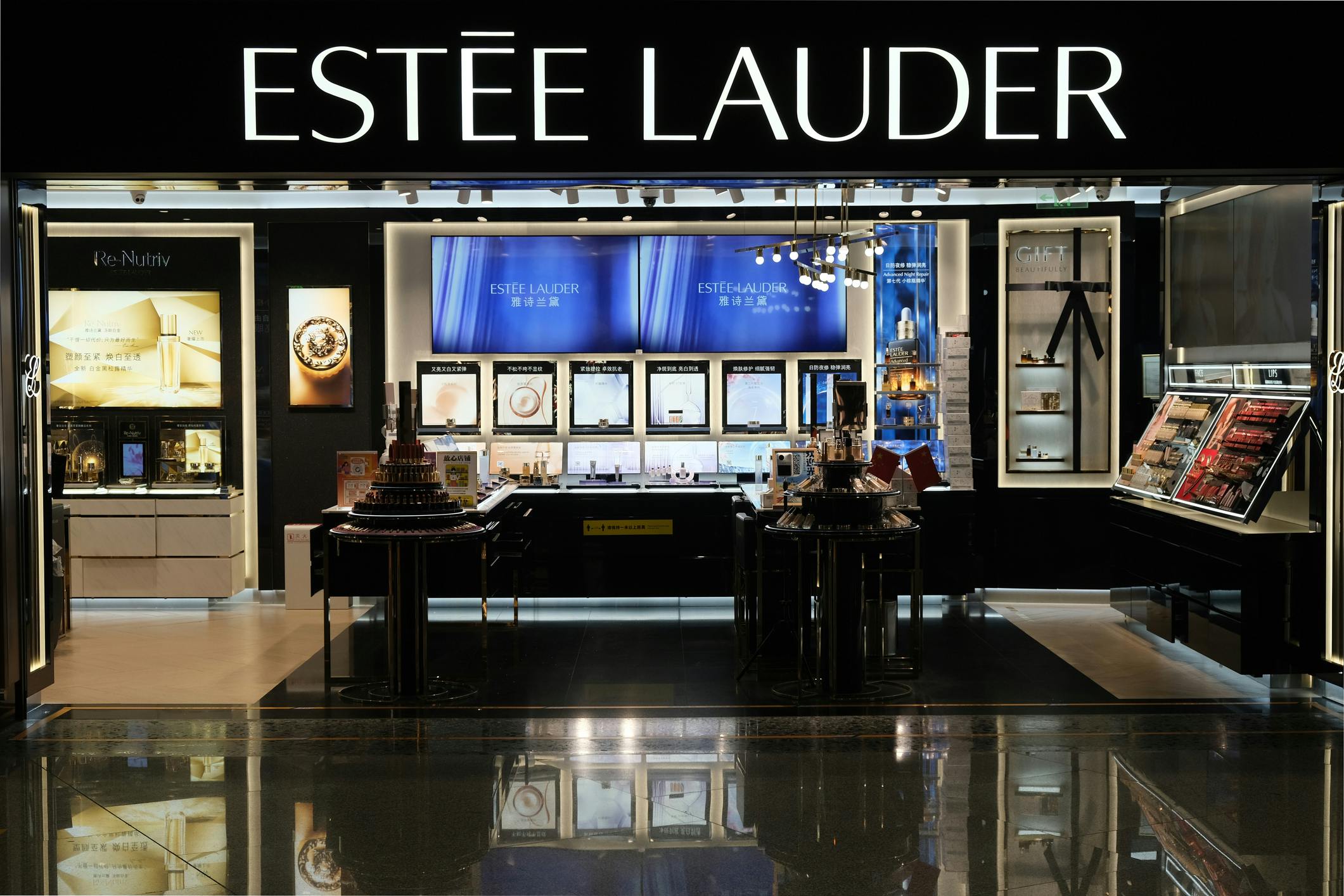
ESTĒE LAUDER store at Beijing Daxing International Airport
Front of Estée Lauder retail store at Beijing Daxing International Airport (Getty Images)
Beauty and the Bust

Estée Lauder has worst day ever after withdrawing guidance and slashing dividend

Disappointing outlook, dividend cut, and leadership pick rattled investors, dragging the stock down more than 20%.

Yiwen Lu

We’ve heard the story before: businesses that rely on Chinese consumers are struggling. But Estée Lauder was hit especially hard. Shares of the beauty conglomerate were down over 20% on Thursday afternoon, on track for their biggest one-day drop on record. The stock has plunged more than 50% this year and has opened at its lowest price since April 2014.

The company reported adjusted earnings per share of $0.14 per share, better than expected. Overall, net sales of $3.36 billion was modestly below analyst estimates of $3.37 billion.

However, facing an uncertain future, Estée Lauder withdrew its outlook for fiscal 2025 and reduced its dividend by nearly half.

China was Estée Lauder’s biggest market when its stock peaked in late 2021, making up about 35% of the company’s sales by regions in 2021 and 2022. Yet the worsening sentiment surrounding Chinese consumers amid the postpandemic economic malaise has turned many of them away from prestige skin care and beauty products. In the latest quarter, net sales in Asia Pacific decreased 11%, including double-digit decline in Mainland China and Hong Kong. 

And just like other companies that had their heydays in China, Estée Lauder was facing fierce competition from cheap local alternatives. 

“While we believe the new economic stimulus measures in China present medium- to long-term potential for stabilization and ultimately growth in prestige beauty, we anticipate still-strong declines near-term for the industry in China and Asia travel retail,” the company said in a press release. When China announced a slew of fiscal and monetary stimulus in late September, shares of Estée Lauder — along with luxury giants like LVMH — rose on the optimistic sentiment.

Beyond challenges in China, Estée Lauder’s real-life “Succession” drama also disappointed investors. Some members of the board were dissatisfied with the company’s current CEO Fabrizio Freda, but the board and the Lauder family were split on who should succeed Freda, The Wall Street Journal reported. Some preferred external candidates who may be better suited to lead turnaround efforts, while others wanted an insider. On Wednesday, the company announced that Stéphane de La Faverie, a longtime insider, would take over from Freda as CEO. 

But Wall Street doesn’t seem happy. Investors were concerned that an internal hire isn’t able to offer a fresh, differentiated perspective, Barron’s reported

More Business

See all Business
business

Netflix is down amid reports it’s leading the Warner Bros. bidding war as Paramount cries foul

Netflix’s charm offensive appears to be working.

Netflix is reportedly emerging as the leader in the bidding war for Warner Bros. Discovery after second-round bids this week, edging out entertainment juggernaut rivals Comcast and Paramount Skydance.

Investors don’t appear psyched by the streaming leader’s turn of fortune: the stock is down on Thursday morning, a day after closing down nearly 5% following reports that scooping up HBO Max wouldn’t necessarily result in a big market share boost.

Paramount, which has reportedly made five bids for Warner Bros. Discovery, doesn’t love the current state of play, either. The company sent WBD a letter questioning the “fairness and adequacy” of the process, highlighting reports that WBD’s board favors Netflix and is resisting Paramount.

Any offer would be subject to regulatory approval — a fact that may have weighed against Netflix’s offer given that cofounder Reed Hastings’ politics are vocally to the left, very much at odds with the current regulatory regime. Paramount seems confident in its ability to get approval, reportedly boosting its breakup fee to $5 billion should its potential acquisition fall apart in the regulatory process.

Investors don’t appear psyched by the streaming leader’s turn of fortune: the stock is down on Thursday morning, a day after closing down nearly 5% following reports that scooping up HBO Max wouldn’t necessarily result in a big market share boost.

Paramount, which has reportedly made five bids for Warner Bros. Discovery, doesn’t love the current state of play, either. The company sent WBD a letter questioning the “fairness and adequacy” of the process, highlighting reports that WBD’s board favors Netflix and is resisting Paramount.

Any offer would be subject to regulatory approval — a fact that may have weighed against Netflix’s offer given that cofounder Reed Hastings’ politics are vocally to the left, very much at odds with the current regulatory regime. Paramount seems confident in its ability to get approval, reportedly boosting its breakup fee to $5 billion should its potential acquisition fall apart in the regulatory process.

business

Delta says the government shutdown will cost it $200 million in Q4

The 43-day government shutdown that ended last month will result in a $200 million ding for Delta Air Lines, the airline said in a filing on Wednesday.

That’s about $100,000 per shutdown-related canceled flight. (Delta previously said it canceled more than 2,000 flights due to FAA flight reductions.) When the company reports its fourth-quarter earnings, the shutdown will lop off about $0.25 per share.

Delta initially stayed calm about the shutdown, with CEO Ed Bastian stating in early October that the company was running smoothly and hadn’t seen any impacts at all. One historically long shutdown later, Delta wasn’t able to remain untouched.

The skies have since cleared, though, and Delta’s filing states that booking growth has “returned to initial expectations following a temporary softening in November.”

Delta’s shares were up over 2% as of Wednesday’s market open.

Delta initially stayed calm about the shutdown, with CEO Ed Bastian stating in early October that the company was running smoothly and hadn’t seen any impacts at all. One historically long shutdown later, Delta wasn’t able to remain untouched.

The skies have since cleared, though, and Delta’s filing states that booking growth has “returned to initial expectations following a temporary softening in November.”

Delta’s shares were up over 2% as of Wednesday’s market open.

Latest Stories

Sherwood Media, LLC produces fresh and unique perspectives on topical financial news and is a fully owned subsidiary of Robinhood Markets, Inc., and any views expressed here do not necessarily reflect the views of any other Robinhood affiliate, including Robinhood Markets, Inc., Robinhood Financial LLC, Robinhood Securities, LLC, Robinhood Crypto, LLC, or Robinhood Money, LLC.