Business
HSBC has announced an even bigger raft of job cuts -- aren't the banks meant to be doing okay now?

HSBC has announced an even bigger raft of job cuts -- aren't the banks meant to be doing okay now?

At the start of this week HSBC announced it was to cut approximately 35,000 jobs over the next 3 years, as part of a $4.5bn cost saving programme. That announcement sees HSBC not only join, but rise to the top, of a long list of global banks that have cut swathes of jobs in the last year.

Relative to the size of its workforce, only Deutsche Bank has cut more jobs when they announced that they would be shedding approximately 20% of their employees last year, amidst a major restructuring.

Aren't banks doing well these days?

Stock markets are at record highs, unemployment is at record lows and everything is going pretty okay -- right? While it's true that the global economy is in decent enough shape (coronavirus & global warming aside), for the last decade many banks have been operating in an era of record low interest rates.

Banks are heavily geared to interest rates. In very simple terms if they pay 1% interest on deposits, and charge 2% interest on loans, they make a 1 point spread. If interest rates rise, that spread usually rises with it - and hence the banks make more profit.

The first cut is (not) the deepest?

Usually, when having to give bad news it's better to rip the band-aid off and give it all at once. In the business world it's also known as "kitchen sinking". For HSBC... that's not what they did. Last October they announced 10,000 job cuts, only to announce another 25,000 this week. Bad news is bad enough, but when it comes in drips and drabs the market really doesn't like it, and it's why HSBC shares are down 6% since the news**.**

More Business

See all Business
business

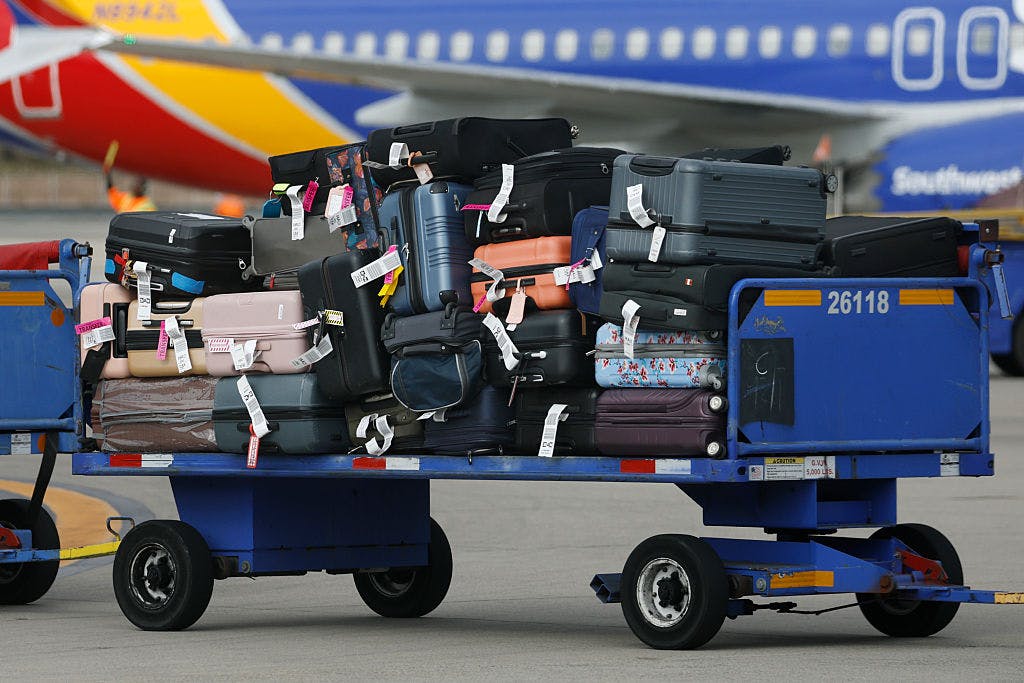
American Airlines joins the flock, hiking bag fees amid higher jet fuel prices

American Airlines on Thursday announced that it, too, will be hiking the fees it charges customers to check luggage.

With the move, all four of the major US airlines, which together control about 80% of the US market, have now hiked their baggage fees in recent days amid surging jet fuel prices.

The change will go into effect on tickets bought on or after Thursday, the same day Southwest’s hike begins.

Since late March, JetBlue, Delta Air Lines, United Airlines, Canada’s WestJet, and Southwest have hiked their fees. Experts expect more major carriers to follow, and to potentially tweak the pricing of other ancillary revenue sources like seat assignments and carry-on luggage.

The change will go into effect on tickets bought on or after Thursday, the same day Southwest’s hike begins.

Since late March, JetBlue, Delta Air Lines, United Airlines, Canada’s WestJet, and Southwest have hiked their fees. Experts expect more major carriers to follow, and to potentially tweak the pricing of other ancillary revenue sources like seat assignments and carry-on luggage.

business

Less than a year after implementing them, Southwest is also hiking its bag fees

Southwest Airlines has joined the growing list of airlines opting to hike their bag fees amid sustained higher jet fuel costs.

Starting today, the first checked bag at the carrier — which implemented bag fees less than a year ago — will jump from $35 to $45, and the second from $45 to $55. Southwest quietly disclosed the change Tuesday.

Southwest assigned the decision to “part of an ongoing analysis of the business and against the evolving global backdrop.”

As of Wednesday, jet fuel prices dropped to $4.16 a gallon, per the Argus US Jet Fuel Index, down from $4.81 on Tuesday following President Trump’s ceasefire announcement, which sent travel stocks soaring. Major airlines have shed some of those gains in premarket trading Thursday.

With the move to hike bag fees, Southwest joins JetBlue, United Airlines, Delta Air Lines, and Canada’s WestJet, all of which also boosted fees this month. Experts expect more major carriers to follow, and to potentially tweak the pricing of other ancillary revenue sources like seat assignments and carry-on luggage.

Southwest assigned the decision to “part of an ongoing analysis of the business and against the evolving global backdrop.”

As of Wednesday, jet fuel prices dropped to $4.16 a gallon, per the Argus US Jet Fuel Index, down from $4.81 on Tuesday following President Trump’s ceasefire announcement, which sent travel stocks soaring. Major airlines have shed some of those gains in premarket trading Thursday.

With the move to hike bag fees, Southwest joins JetBlue, United Airlines, Delta Air Lines, and Canada’s WestJet, all of which also boosted fees this month. Experts expect more major carriers to follow, and to potentially tweak the pricing of other ancillary revenue sources like seat assignments and carry-on luggage.

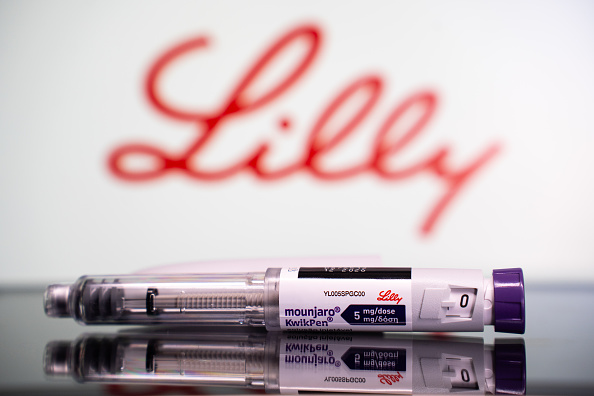
Mounjaro KwikPen Photo Illustrations

Eli Lilly makes the world’s bestselling drug. Can it keep the party going?

Some are starting to worry that Lilly, which for a short time vaulted into the trillion-dollar market cap club, may have hit a plateau.

Latest Stories

Sherwood Media, LLC produces fresh and unique perspectives on topical financial news and is a fully owned subsidiary of Robinhood Markets, Inc., and any views expressed here do not necessarily reflect the views of any other Robinhood affiliate, including Robinhood Markets, Inc., Robinhood Financial LLC, Robinhood Securities, LLC, Robinhood Crypto, LLC, Robinhood Derivatives, LLC, or Robinhood Money, LLC. Futures and event contracts are offered through Robinhood Derivatives, LLC.