
Business
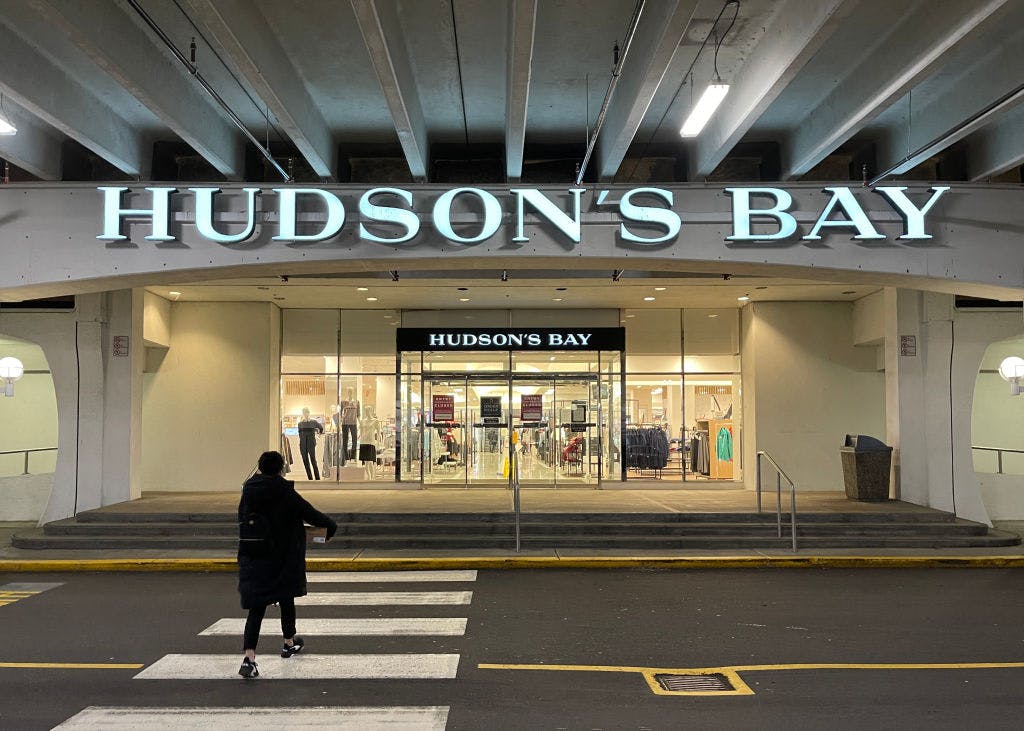
Hudson's Bay BC
(Andrew Chin/Getty Images)

Hudson’s Bay files for creditor protection as the historic Canadian department store chain tries to keep doors open

The 354-year-old retailer has struggled with declining foot traffic and slumping sales as shoppers rein in spending.

Nia Warfield

On Friday, Hudson’s Bay Co., which owns Hudson’s Bay, TheBay.com, and a handful of Canadian Saks and Saks Off Fitch stores, filed for creditor protection. Similar to a Chapter 11 in the US, filing under Canada’s Companies’ Creditors Arrangement Act allows struggling companies to restructure debt while keeping their doors open. 

The Ontario Superior Court of Justice has since granted the company a protective stay, which halts creditor actions for 10 days with potential extensions at the court’s discretion. FYI: Hudson’s Bay shoppers still hold about $24.3 million in gift cards as of February 1. 

Hudson’s Bay has deep roots, dating back to 1670 when it was founded as a fur-trading company. The company originally traded its blankets and goods for pelts, and over time became one of Canada’s oldest and most influential businesses. But times have changed: in December, Hudson’s Bay spun off its Saks Fifth Avenue subsidiary, making it a stand-alone business. Shortly after, Saks acquired Neiman Marcus for $2.65 billion, forming Saks Global, which also includes luxury retailer Bergdorf Goodman.

The move was part of Hudson’s Bay’s effort to streamline its portfolio and cut losses as it dealt with rising costs, slumping sales, and tougher competition from Amazon as well as other major luxury e-commerce players. The company said its also facing increasing pressure from incoming US tariffs and a broader postpandemic shopping slowdown.

Both US and Canadian retailers have faced pressure as inflation and high interest rates strain household budgets. After more than 50 years on the stock market, Nordstrom agreed to go private in a $6.25 billion deal in December after the upscale department store chain faced slowing sales and mounting pressure from other luxury and e-commerce brands.

More Business

See all Business
The entrance of Allbirds seen from Hayes St. in San Francisco, Calif.

Allbirds, the once buzzy multibillion-dollar sneaker startup, is selling up for $39 million

That’s less than 1% of its peak market cap about four years ago.

Tom Jones3/31/26
business

JetBlue is raising its bag fees as fuel costs squeeze airlines

JetBlue will reportedly hike its bag fees, as the cost of jet fuel continues to climb amid the war in Iran. It’s the latest example of carriers finding ways to push rising costs onto travelers.

Last week, United Airlines CEO Scott Kirby said that if fuel prices remain elevated, fares would need to rise another 20% for his airline to break even this year.

As CNBC reported, when one airline raises fees, others tend to follow.

Earlier this month, JetBlue hiked its first-quarter outlook for operating revenue per seat mile to between 5% and 7%, saying that strong Q1 demand helped “partially offset additional expenses realized from operational disruptions and rising fuel costs.” Now, the carrier appears to be making moves to further boost revenue to offset those costs.

Earlier on Monday, JetBlue rival Alaska Air lowered its Q1 profit forecast. The refining margins for the carrier’s cheapest fuel option — sourced from Singapore and representing about 20% of Alaska’s overall supply — have spiked 400% since February.

JetBlue did not immediately respond to a request for comment.

As CNBC reported, when one airline raises fees, others tend to follow.

Earlier this month, JetBlue hiked its first-quarter outlook for operating revenue per seat mile to between 5% and 7%, saying that strong Q1 demand helped “partially offset additional expenses realized from operational disruptions and rising fuel costs.” Now, the carrier appears to be making moves to further boost revenue to offset those costs.

Earlier on Monday, JetBlue rival Alaska Air lowered its Q1 profit forecast. The refining margins for the carrier’s cheapest fuel option — sourced from Singapore and representing about 20% of Alaska’s overall supply — have spiked 400% since February.

JetBlue did not immediately respond to a request for comment.

Latest Stories

Sherwood Media, LLC produces fresh and unique perspectives on topical financial news and is a fully owned subsidiary of Robinhood Markets, Inc., and any views expressed here do not necessarily reflect the views of any other Robinhood affiliate, including Robinhood Markets, Inc., Robinhood Financial LLC, Robinhood Securities, LLC, Robinhood Crypto, LLC, Robinhood Derivatives, LLC, or Robinhood Money, LLC. Futures and event contracts are offered through Robinhood Derivatives, LLC.
