Business
The vaccination race: Doses are being administered, but which country is out in front?

The vaccination race: Doses are being administered, but which country is out in front?

Last year we spent a lot of time tracking COVID-19 cases and deaths, so it's nice to start following something a little cheerier — the number of vaccination doses administered.

Israel leads the world

The latest data from Bloomberg reveals that the US has administered the most vaccine doses of any country, with more than 5 million jabs already... jabbed. However, when you adjust for population it's actually Israel which is, quite considerably, ahead of the pace.

Israel's vaccination drive began urgently on December 20th and has now successfully administered the first dose of the Pfizer-BioNTech vaccine to more than 15% of its population in just 17 days. If Israel maintains that blistering pace (and they've actually been getting faster according to Our World In Data) they may be able to vaccinate the majority of their 9.1m adult population by the end of March.

It just so happens that Israel has an election coming up (also in March). For Prime Minister Benjamin Netanyahu presumably his election odds are likely to be closely entwined with his country maintaining the vaccination pace already set.

Pump those numbers up

In the US president-elect Joe Biden has outlined his ambitious goal for 100 million doses in his first 100 days in office. To hit that target, the US needs to administer almost 6 million doses a week, every week, until the end of April — meaning that the US needs to at least triple its current pace.

In the UK, which has just entered a third national lockdown, the story is similar. In London on Monday night PM Boris Johnson outlined a goal of roughly 14 million vaccinations by mid-February, a number which would cover the majority of people most at risk from COVID. To hit that target the UK would need to accelerate from its current pace of ~300,000 a week to roughly 2 million.

More Business

See all Business
business

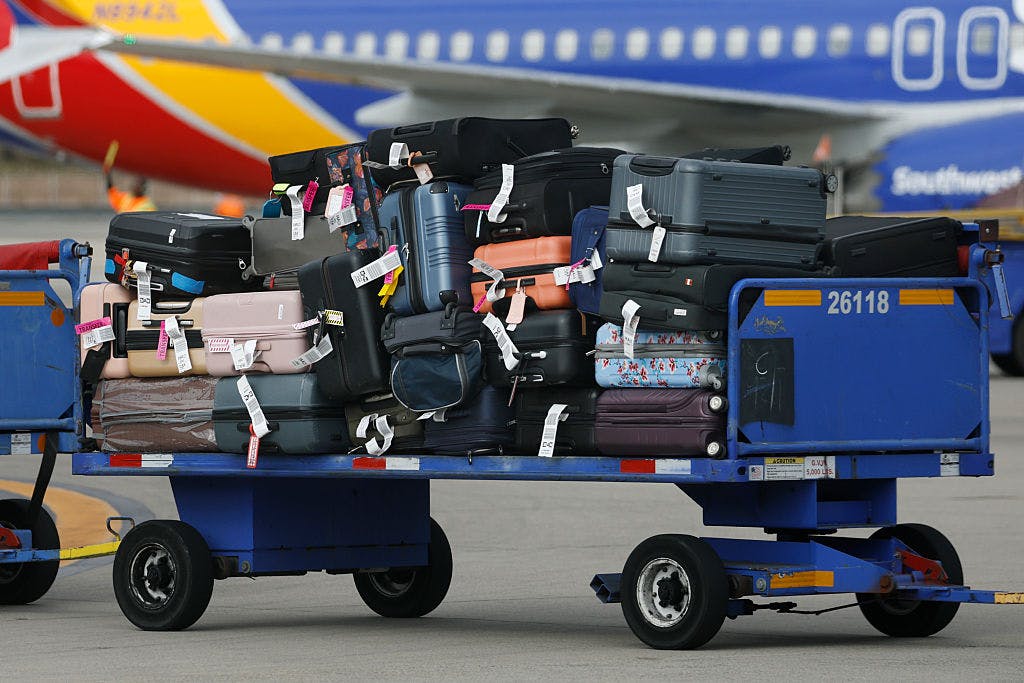
American Airlines joins the flock, hiking bag fees amid higher jet fuel prices

American Airlines on Thursday announced that it, too, will be hiking the fees it charges customers to check luggage.

With the move, all four of the major US airlines, which together control about 80% of the US market, have now hiked their baggage fees in recent days amid surging jet fuel prices.

The change will go into effect on tickets bought on or after Thursday, the same day Southwest’s hike begins.

Since late March, JetBlue, Delta Air Lines, United Airlines, Canada’s WestJet, and Southwest have hiked their fees. Experts expect more major carriers to follow, and to potentially tweak the pricing of other ancillary revenue sources like seat assignments and carry-on luggage.

The change will go into effect on tickets bought on or after Thursday, the same day Southwest’s hike begins.

Since late March, JetBlue, Delta Air Lines, United Airlines, Canada’s WestJet, and Southwest have hiked their fees. Experts expect more major carriers to follow, and to potentially tweak the pricing of other ancillary revenue sources like seat assignments and carry-on luggage.

business

Less than a year after implementing them, Southwest is also hiking its bag fees

Southwest Airlines has joined the growing list of airlines opting to hike their bag fees amid sustained higher jet fuel costs.

Starting today, the first checked bag at the carrier — which implemented bag fees less than a year ago — will jump from $35 to $45, and the second from $45 to $55. Southwest quietly disclosed the change Tuesday.

Southwest assigned the decision to “part of an ongoing analysis of the business and against the evolving global backdrop.”

As of Wednesday, jet fuel prices dropped to $4.16 a gallon, per the Argus US Jet Fuel Index, down from $4.81 on Tuesday following President Trump’s ceasefire announcement, which sent travel stocks soaring. Major airlines have shed some of those gains in premarket trading Thursday.

With the move to hike bag fees, Southwest joins JetBlue, United Airlines, Delta Air Lines, and Canada’s WestJet, all of which also boosted fees this month. Experts expect more major carriers to follow, and to potentially tweak the pricing of other ancillary revenue sources like seat assignments and carry-on luggage.

Southwest assigned the decision to “part of an ongoing analysis of the business and against the evolving global backdrop.”

As of Wednesday, jet fuel prices dropped to $4.16 a gallon, per the Argus US Jet Fuel Index, down from $4.81 on Tuesday following President Trump’s ceasefire announcement, which sent travel stocks soaring. Major airlines have shed some of those gains in premarket trading Thursday.

With the move to hike bag fees, Southwest joins JetBlue, United Airlines, Delta Air Lines, and Canada’s WestJet, all of which also boosted fees this month. Experts expect more major carriers to follow, and to potentially tweak the pricing of other ancillary revenue sources like seat assignments and carry-on luggage.

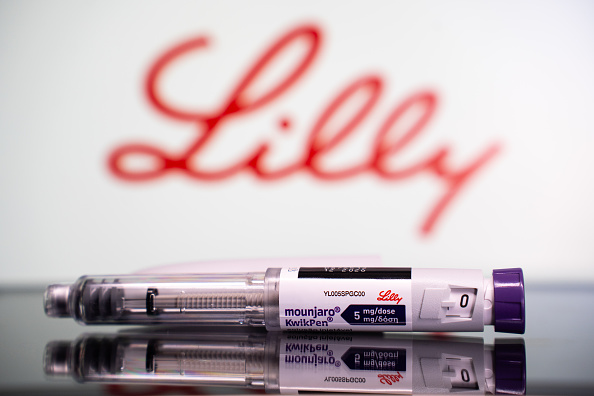
Mounjaro KwikPen Photo Illustrations

Eli Lilly makes the world’s bestselling drug. Can it keep the party going?

Some are starting to worry that Lilly, which for a short time vaulted into the trillion-dollar market cap club, may have hit a plateau.

Latest Stories

Sherwood Media, LLC produces fresh and unique perspectives on topical financial news and is a fully owned subsidiary of Robinhood Markets, Inc., and any views expressed here do not necessarily reflect the views of any other Robinhood affiliate, including Robinhood Markets, Inc., Robinhood Financial LLC, Robinhood Securities, LLC, Robinhood Crypto, LLC, Robinhood Derivatives, LLC, or Robinhood Money, LLC. Futures and event contracts are offered through Robinhood Derivatives, LLC.