Business
Do more, with less: News publishers are trying to drive more traffic

Do more, with less: News publishers are trying to drive more traffic

Do more, with less

BuzzFeed News editors have told its journalists to do more with less, encouraging writers to publish more articles in an effort to drive extra traffic to the news site. A tall order for a newsroom that’s been gutted over the last year, with ~40% of employees let go, including the entire investigative team.

The company said it published 404 articles in February, a 24% increase from the same period the year before, and is even trying its hand with AI-generated content. However, the scope of its journalistic ambitions has narrowed, with the company now focused on “internet culture, celebrity news and the biggest news of the day”.

The directive comes with BuzzFeed in a difficult spot. Digital advertisers are pulling back, publisher relationships with social media remain volatile and BuzzFeed's time as a public company has been a disaster, with shares down 89% since November 2021.

Clicked

Although more acute at BuzzFeed, the problems facing the company are not unique — many of America’s largest online news publishers are struggling to pull in traffic. The latest data from Similarweb, via Press Gazette, reveals that 35 of the top 50 sites have seen monthly traffic for Feb ‘23 fall compared to Feb ‘22. The two biggest publishers, the NYTimes and CNN, both racked up more than 400 million visits in Feb — a drop of 21% and 22% on last year’s figures, respectively. Not all have been struggling though; entertainment sites like Variety and People have been booming, and The Sun's US launch continues to go well.

N.B. BuzzFeed News doesn't rank in the top 50 and is therefore not shown on this chart, but BuzzFeed's main site does.

More Business

See all Business
The entrance of Allbirds seen from Hayes St. in San Francisco, Calif.

Allbirds, the once buzzy multibillion-dollar sneaker startup, is selling up for $39 million

That’s less than 1% of its peak market cap about four years ago.

Tom Jones3/31/26
business

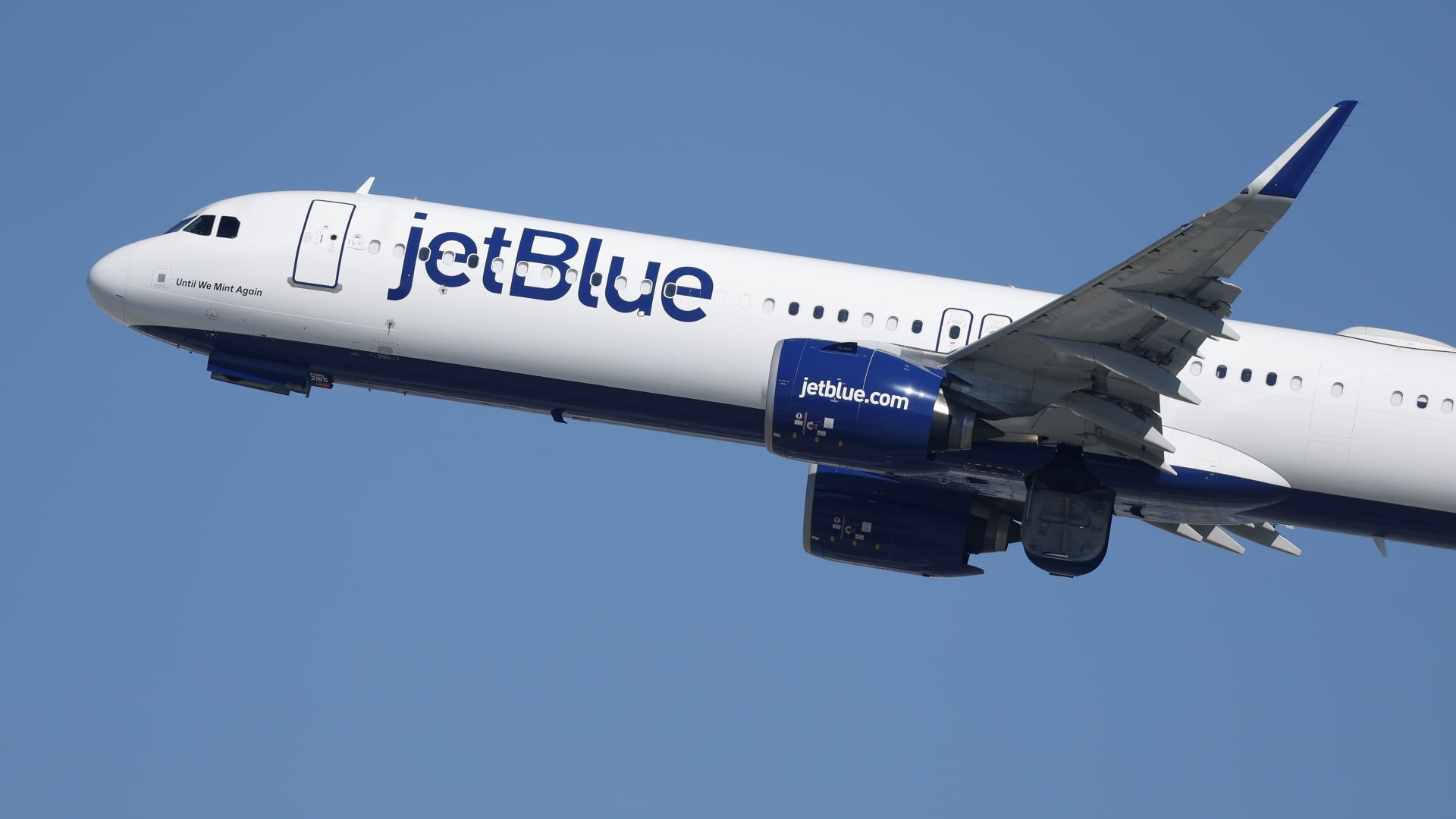
JetBlue is raising its bag fees as fuel costs squeeze airlines

JetBlue will reportedly hike its bag fees, as the cost of jet fuel continues to climb amid the war in Iran. It’s the latest example of carriers finding ways to push rising costs onto travelers.

Last week, United Airlines CEO Scott Kirby said that if fuel prices remain elevated, fares would need to rise another 20% for his airline to break even this year.

As CNBC reported, when one airline raises fees, others tend to follow.

Earlier this month, JetBlue hiked its first-quarter outlook for operating revenue per seat mile to between 5% and 7%, saying that strong Q1 demand helped “partially offset additional expenses realized from operational disruptions and rising fuel costs.” Now, the carrier appears to be making moves to further boost revenue to offset those costs.

Earlier on Monday, JetBlue rival Alaska Air lowered its Q1 profit forecast. The refining margins for the carrier’s cheapest fuel option — sourced from Singapore and representing about 20% of Alaska’s overall supply — have spiked 400% since February.

JetBlue did not immediately respond to a request for comment.

As CNBC reported, when one airline raises fees, others tend to follow.

Earlier this month, JetBlue hiked its first-quarter outlook for operating revenue per seat mile to between 5% and 7%, saying that strong Q1 demand helped “partially offset additional expenses realized from operational disruptions and rising fuel costs.” Now, the carrier appears to be making moves to further boost revenue to offset those costs.

Earlier on Monday, JetBlue rival Alaska Air lowered its Q1 profit forecast. The refining margins for the carrier’s cheapest fuel option — sourced from Singapore and representing about 20% of Alaska’s overall supply — have spiked 400% since February.

JetBlue did not immediately respond to a request for comment.

Latest Stories

Sherwood Media, LLC produces fresh and unique perspectives on topical financial news and is a fully owned subsidiary of Robinhood Markets, Inc., and any views expressed here do not necessarily reflect the views of any other Robinhood affiliate, including Robinhood Markets, Inc., Robinhood Financial LLC, Robinhood Securities, LLC, Robinhood Crypto, LLC, Robinhood Derivatives, LLC, or Robinhood Money, LLC. Futures and event contracts are offered through Robinhood Derivatives, LLC.