Business
New York's yellow cabs: Could they be under threat of extinction?

New York's yellow cabs: Could they be under threat of extinction?

A pair of New York taxi drivers have filed a $2.56 billion lawsuit against New York City, accusing officials of raking in millions of dollars from taxi drivers over debt repayments for taxi medallions, which are the transferable permits that allow taxicabs to operate in New York.

Medallion or smartphone

At one point in 2011 buying a taxi medallion would have cost you more than $1 million, an enormous sum which was often borrowed and paid back over the course of many years of driving.

Once Uber and Lyft showed up, the options for would-be drivers became a lot cheaper. Because you can't "flag down" an Uber on the street (instead specifically requesting they come to you) Uber drivers have never needed a taxi medallion — if you had a smartphone and a car you were pretty much good to go. As ride-hailing grew, the price of a taxi medallion plummeted — by as much as 80%, leaving some yellow cab drivers furious over what they believe were overly inflated prices given the circumstances.

Threat of extinction

The pandemic hasn't been kind to New York yellow cabs. According to data from the NYC Taxi & Limousine Commission, before the start of the pandemic yellow taxis were doing around 200,000 trips a day, fewer than Uber but still more than ride-hailing app Lyft. The pandemic collapsed the entire industry, but ride-hailing has recovered significantly faster — the latest count puts yellow taxi trips at just 50,000 a day. That's roughly a quarter of the volume they were doing pre-pandemic, and just one-tenth of the volume from a decade ago. The yellow cabs of New York are in trouble.

More Business

See all Business
business

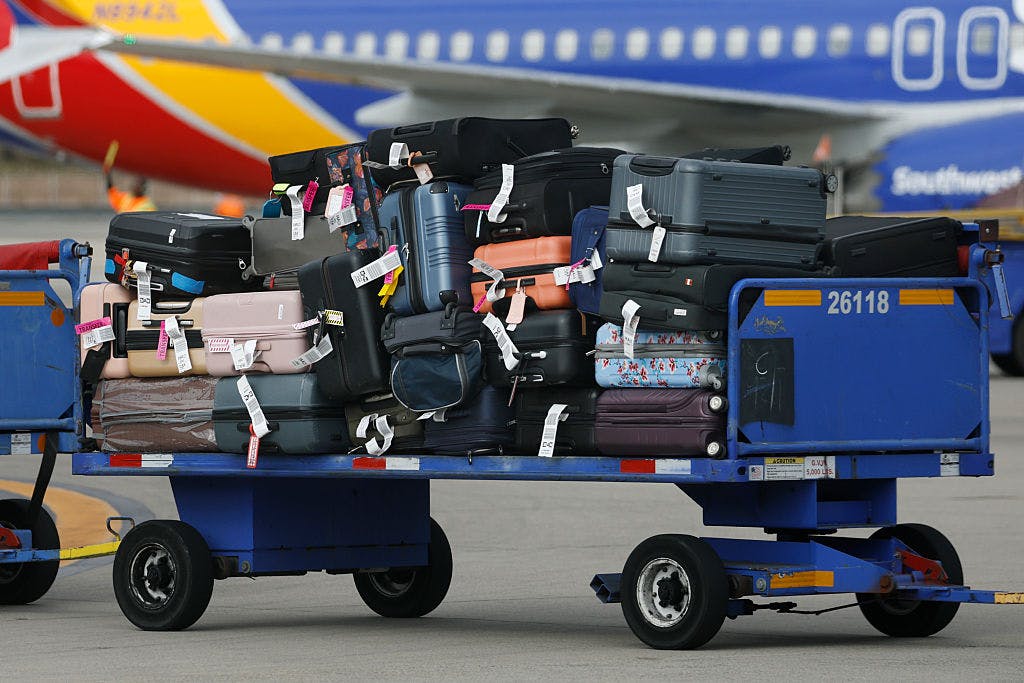
American Airlines joins the flock, hiking bag fees amid higher jet fuel prices

American Airlines on Thursday announced that it, too, will be hiking the fees it charges customers to check luggage.

With the move, all four of the major US airlines, which together control about 80% of the US market, have now hiked their baggage fees in recent days amid surging jet fuel prices.

The change will go into effect on tickets bought on or after Thursday, the same day Southwest’s hike begins.

Since late March, JetBlue, Delta Air Lines, United Airlines, Canada’s WestJet, and Southwest have hiked their fees. Experts expect more major carriers to follow, and to potentially tweak the pricing of other ancillary revenue sources like seat assignments and carry-on luggage.

The change will go into effect on tickets bought on or after Thursday, the same day Southwest’s hike begins.

Since late March, JetBlue, Delta Air Lines, United Airlines, Canada’s WestJet, and Southwest have hiked their fees. Experts expect more major carriers to follow, and to potentially tweak the pricing of other ancillary revenue sources like seat assignments and carry-on luggage.

business

Less than a year after implementing them, Southwest is also hiking its bag fees

Southwest Airlines has joined the growing list of airlines opting to hike their bag fees amid sustained higher jet fuel costs.

Starting today, the first checked bag at the carrier — which implemented bag fees less than a year ago — will jump from $35 to $45, and the second from $45 to $55. Southwest quietly disclosed the change Tuesday.

Southwest assigned the decision to “part of an ongoing analysis of the business and against the evolving global backdrop.”

As of Wednesday, jet fuel prices dropped to $4.16 a gallon, per the Argus US Jet Fuel Index, down from $4.81 on Tuesday following President Trump’s ceasefire announcement, which sent travel stocks soaring. Major airlines have shed some of those gains in premarket trading Thursday.

With the move to hike bag fees, Southwest joins JetBlue, United Airlines, Delta Air Lines, and Canada’s WestJet, all of which also boosted fees this month. Experts expect more major carriers to follow, and to potentially tweak the pricing of other ancillary revenue sources like seat assignments and carry-on luggage.

Southwest assigned the decision to “part of an ongoing analysis of the business and against the evolving global backdrop.”

As of Wednesday, jet fuel prices dropped to $4.16 a gallon, per the Argus US Jet Fuel Index, down from $4.81 on Tuesday following President Trump’s ceasefire announcement, which sent travel stocks soaring. Major airlines have shed some of those gains in premarket trading Thursday.

With the move to hike bag fees, Southwest joins JetBlue, United Airlines, Delta Air Lines, and Canada’s WestJet, all of which also boosted fees this month. Experts expect more major carriers to follow, and to potentially tweak the pricing of other ancillary revenue sources like seat assignments and carry-on luggage.

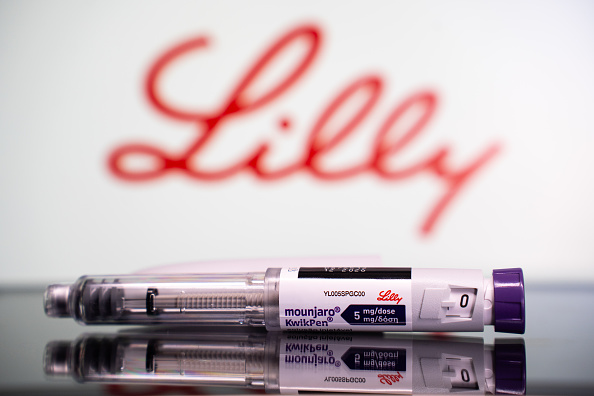
Mounjaro KwikPen Photo Illustrations

Eli Lilly makes the world’s bestselling drug. Can it keep the party going?

Some are starting to worry that Lilly, which for a short time vaulted into the trillion-dollar market cap club, may have hit a plateau.

Latest Stories

Sherwood Media, LLC produces fresh and unique perspectives on topical financial news and is a fully owned subsidiary of Robinhood Markets, Inc., and any views expressed here do not necessarily reflect the views of any other Robinhood affiliate, including Robinhood Markets, Inc., Robinhood Financial LLC, Robinhood Securities, LLC, Robinhood Crypto, LLC, Robinhood Derivatives, LLC, or Robinhood Money, LLC. Futures and event contracts are offered through Robinhood Derivatives, LLC.