

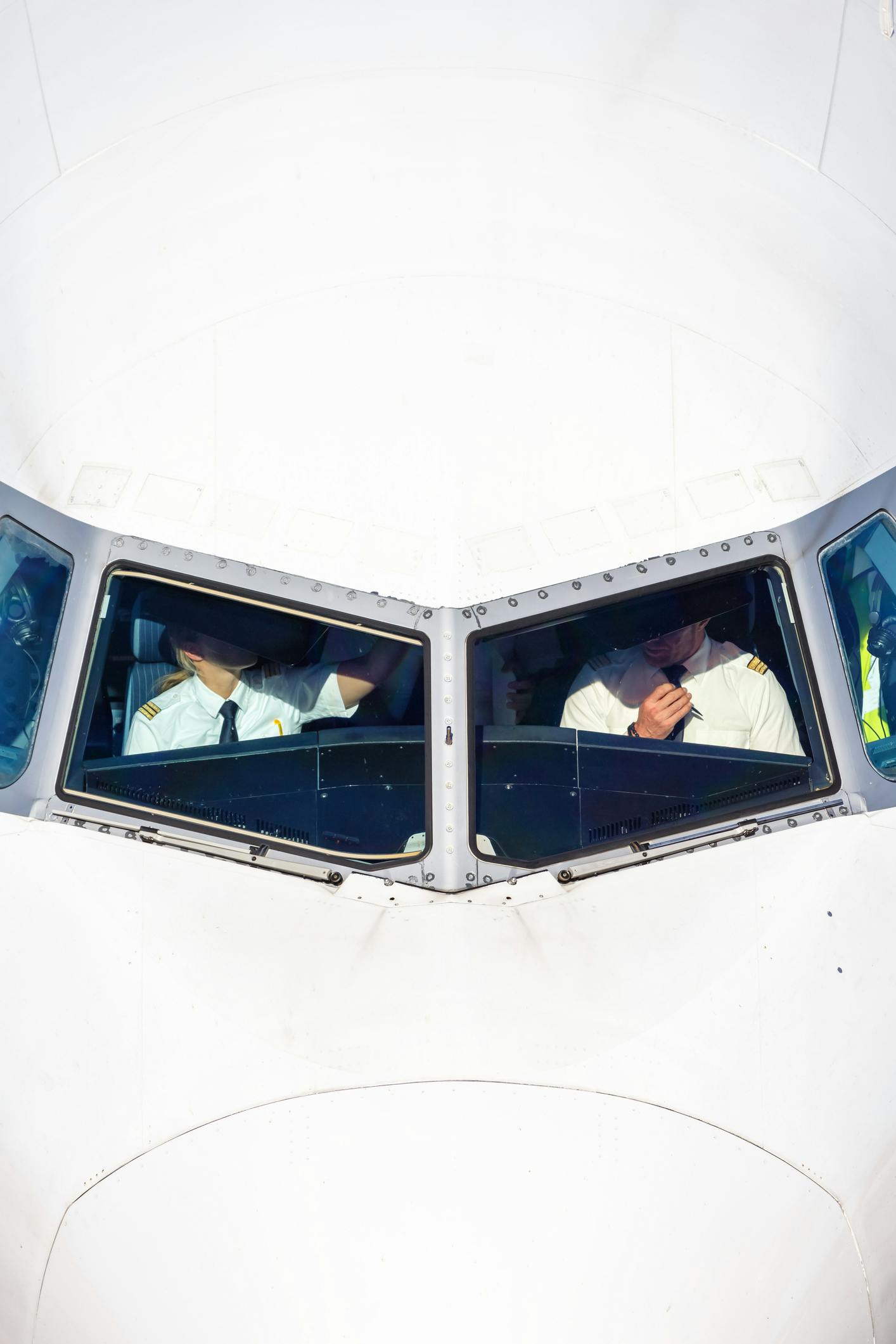
Pilot shortages might only get worse for airlines in years to come
Even with the IATA projecting record sector profits, more pilots reaching retirement age could cause turbulence.
As the International Air Transport Association released its global outlook for air travel on Tuesday, a pitfall mentioned in the report was unfolding on the ground in real time.
The trade body projected some blue-sky results for 2026, with industry revenue forecast to rise 4.5% to ~$1.05 trillion and net profit margins staying at 3.9%. Despite ongoing supply chain issues with jet makers Airbus and Boeing leading to slower aircraft deliveries, stabilized fuel prices and passenger growth have bolstered forecasts for record profits next year.
However, the IATA also pointed toward a rise in labor and maintenance costs due to “pilot shortages, wage inflation, and aging fleets.”

Indeed, India’s biggest airline has been grappling with a stack of flight cancellations just this month after adapting its pilot duty roster to new government “resting hours” rules — since, like many other countries, India is facing a severe pilot shortfall.
Prepare for landing
Concerns about a pilot shortage have mounted in recent years, after the pandemic put training on hold and saw many existing pilots opt to retire early or take voluntary redundancy, The Economist noted back in 2022.
But, as detailed in the IATA report, the labor deficit might only intensify as many holders of active pilot licenses in the US are now approaching 65 — the mandatory retirement age for international commercial pilots.

Mayday heyday
It’s worth noting that the 14.9% share of those 65 years and older reported as active license holders in 2024 (vs. 4.2% in 1999) is likely to include a significant number of private pilots, for which there is no official age cap.
Though the report found that employment in the industry is estimated to exceed prepandemic levels (~3.3 million workers) at the end of this year, shrinking younger cohorts have weakened the replenishment rate. But, despite the swath of pilots required to retire in the coming year, the International Civil Aviation Organization rejected a proposal made by the IATA to raise the retirement age to 67 in October, citing safety concerns.
Still, the demand for pilots is expected to continue soaring, with Boeing forecasting that we might need approximately 660,000 new pilots in the next two decades to keep pace with the growth of air travel. One solution? Autonomous planes, which Merlin, a Boston-based startup, is hoping to provide in place of professionals.





