Business
business
Jack Raines

SPACs are back for 2025

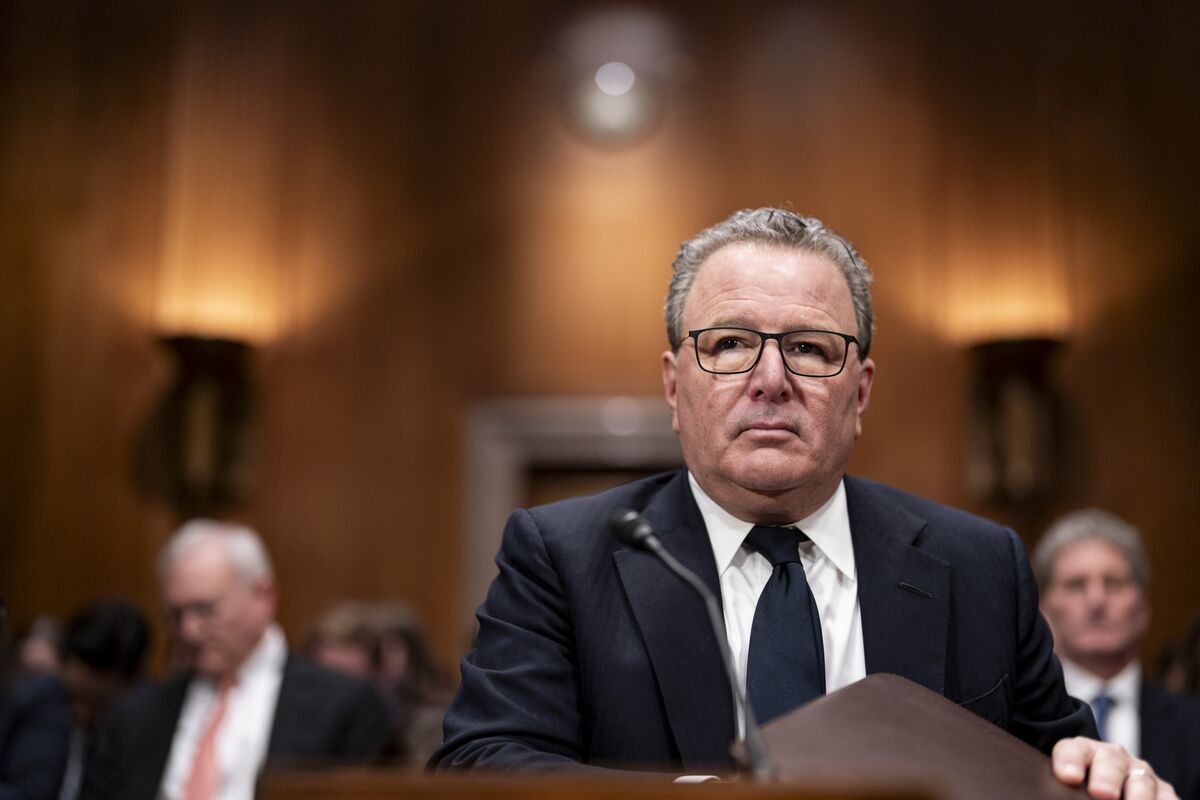
Days before the November election, Cantor Fitzgerald filed an IPO registration for its 10th SPAC, just months after filing for its ninth. The company raised $2.2 billion across seven SPACs in 2020, taking five companies public, though performance of those companies had been lackluster at best. One went bankrupt, and the other four were trading well below their $10 per share deal price (until the recent resurgence of Rumble). But Lutnick seems bullish on SPACs again, and he isn’t alone.

Since April, 50 SPACs have raised a total of $8.7 billion, including new SPACs from Michael Klein (who took Lucid public) and Harry Sloan and Eli Baker (who took DraftKings public). The money raised is more than double the total amount raised in 2023.

While SPACs, as a whole, performed poorly in the public markets (nearly 50% of the 450-plus ex-SPACs still trading are down more than 90% from their public-market debuts), the combination of a recent uptick in investor sentiment, an IPO window that appears to be thawing, and a number of late-stage private companies that could go public has created an opportunity for SPACs to once again be a vehicle for companies to consider as they weigh going public. Time will tell if investors have short memories regarding the performance of other recent SPACs, or if they’ll mandate higher quality acquisition targets from the sponsors whose last merger targets performed so poorly.
Since April, 50 SPACs have raised a total of $8.7 billion, including new SPACs from Michael Klein (who took Lucid public) and Harry Sloan and Eli Baker (who took DraftKings public). The money raised is more than double the total amount raised in 2023.

While SPACs, as a whole, performed poorly in the public markets (nearly 50% of the 450-plus ex-SPACs still trading are down more than 90% from their public-market debuts), the combination of a recent uptick in investor sentiment, an IPO window that appears to be thawing, and a number of late-stage private companies that could go public has created an opportunity for SPACs to once again be a vehicle for companies to consider as they weigh going public. Time will tell if investors have short memories regarding the performance of other recent SPACs, or if they’ll mandate higher quality acquisition targets from the sponsors whose last merger targets performed so poorly.

More Business

See all Business
The entrance of Allbirds seen from Hayes St. in San Francisco, Calif.

Allbirds, the once buzzy multibillion-dollar sneaker startup, is selling up for $39 million

That’s less than 1% of its peak market cap about four years ago.

Tom Jones3/31/26
business

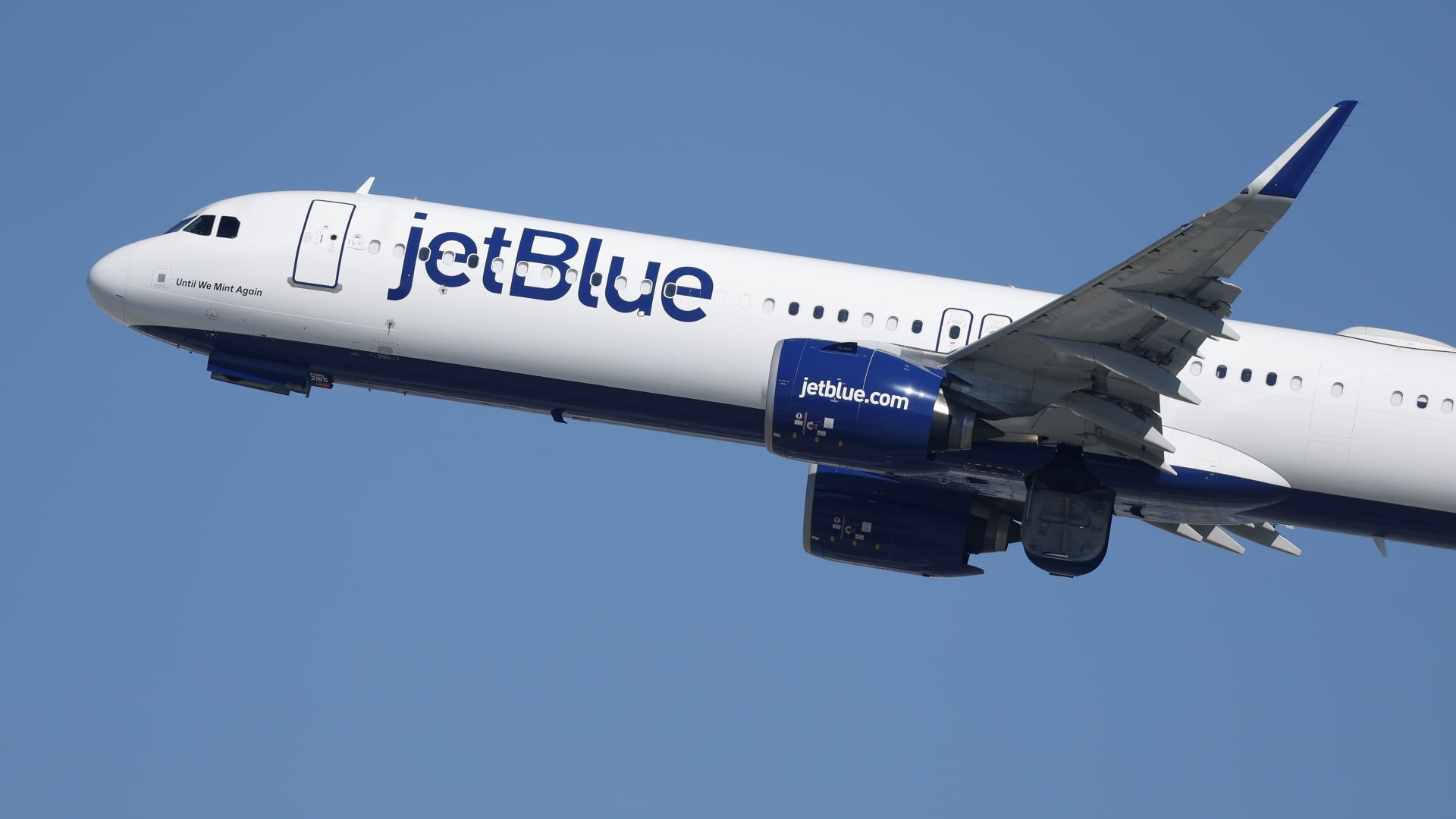
JetBlue is raising its bag fees as fuel costs squeeze airlines

JetBlue will reportedly hike its bag fees, as the cost of jet fuel continues to climb amid the war in Iran. It’s the latest example of carriers finding ways to push rising costs onto travelers.

Last week, United Airlines CEO Scott Kirby said that if fuel prices remain elevated, fares would need to rise another 20% for his airline to break even this year.

As CNBC reported, when one airline raises fees, others tend to follow.

Earlier this month, JetBlue hiked its first-quarter outlook for operating revenue per seat mile to between 5% and 7%, saying that strong Q1 demand helped “partially offset additional expenses realized from operational disruptions and rising fuel costs.” Now, the carrier appears to be making moves to further boost revenue to offset those costs.

Earlier on Monday, JetBlue rival Alaska Air lowered its Q1 profit forecast. The refining margins for the carrier’s cheapest fuel option — sourced from Singapore and representing about 20% of Alaska’s overall supply — have spiked 400% since February.

JetBlue did not immediately respond to a request for comment.

As CNBC reported, when one airline raises fees, others tend to follow.

Earlier this month, JetBlue hiked its first-quarter outlook for operating revenue per seat mile to between 5% and 7%, saying that strong Q1 demand helped “partially offset additional expenses realized from operational disruptions and rising fuel costs.” Now, the carrier appears to be making moves to further boost revenue to offset those costs.

Earlier on Monday, JetBlue rival Alaska Air lowered its Q1 profit forecast. The refining margins for the carrier’s cheapest fuel option — sourced from Singapore and representing about 20% of Alaska’s overall supply — have spiked 400% since February.

JetBlue did not immediately respond to a request for comment.

Latest Stories

Sherwood Media, LLC produces fresh and unique perspectives on topical financial news and is a fully owned subsidiary of Robinhood Markets, Inc., and any views expressed here do not necessarily reflect the views of any other Robinhood affiliate, including Robinhood Markets, Inc., Robinhood Financial LLC, Robinhood Securities, LLC, Robinhood Crypto, LLC, Robinhood Derivatives, LLC, or Robinhood Money, LLC. Futures and event contracts are offered through Robinhood Derivatives, LLC.