Business
Silicon spread: How the bank to America's tech sector blew up, almost overnight

Silicon spread: How the bank to America's tech sector blew up, almost overnight

Silicon spread

In Friday’s newsletter we included a “quick cut” chart of Silicon Valley Bank’s share price — which was cratering amidst a rumor that the bank was insolvent. Within an hour of our newsletter being sent it was already out of date. The stream of withdrawals quickly turned into a flood, as depositors tried to retrieve $42bn from their accounts — nearly a quarter of the bank’s total — in a single day.

SVB’s collapse is the second-largest bank failure in American history, and the speed of the bank run left regulators scrambling over the weekend to limit any possible contagion. Yesterday, the US Treasury, Federal Reserve and FDIC stepped in to ensure all deposits at the failing bank would be backstopped and quickly accessible, as another major bank (Signature) also collapsed.

Part of the furniture

Formed in 1983, SVB had long been a partner to some of the most innovative companies in the world, providing banking services to half of all venture-backed tech and life sciences companies in the US. Deposits at SVB swelled to nearly $200bn during the pandemic, as venture funding hit record highs and startups had to put their cash somewhere. SVB’s critical error was to take much of that cash and buy mortgage bonds that offered a slightly higher rate of return — but locked the money up for much longer — a departure from its previous strategy that turned into a major problem when liquidity dried up.

Go deeper: Great analysis of what happened to SVB from Ben Thompson.

More Business

See all Business
The entrance of Allbirds seen from Hayes St. in San Francisco, Calif.

Allbirds, the once buzzy multibillion-dollar sneaker startup, is selling up for $39 million

That’s less than 1% of its peak market cap about four years ago.

Tom Jones3/31/26
business

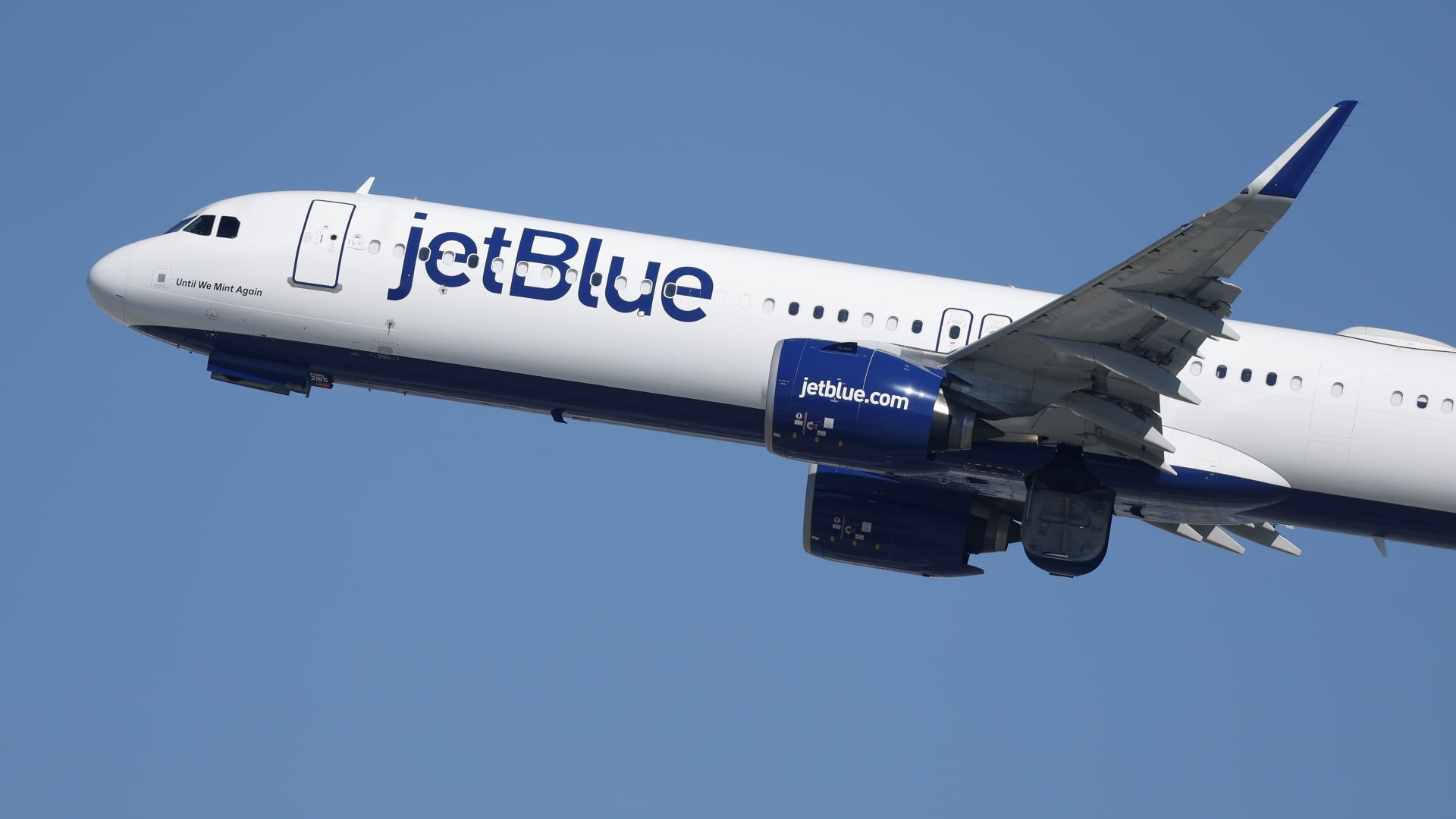
JetBlue is raising its bag fees as fuel costs squeeze airlines

JetBlue will reportedly hike its bag fees, as the cost of jet fuel continues to climb amid the war in Iran. It’s the latest example of carriers finding ways to push rising costs onto travelers.

Last week, United Airlines CEO Scott Kirby said that if fuel prices remain elevated, fares would need to rise another 20% for his airline to break even this year.

As CNBC reported, when one airline raises fees, others tend to follow.

Earlier this month, JetBlue hiked its first-quarter outlook for operating revenue per seat mile to between 5% and 7%, saying that strong Q1 demand helped “partially offset additional expenses realized from operational disruptions and rising fuel costs.” Now, the carrier appears to be making moves to further boost revenue to offset those costs.

Earlier on Monday, JetBlue rival Alaska Air lowered its Q1 profit forecast. The refining margins for the carrier’s cheapest fuel option — sourced from Singapore and representing about 20% of Alaska’s overall supply — have spiked 400% since February.

JetBlue did not immediately respond to a request for comment.

As CNBC reported, when one airline raises fees, others tend to follow.

Earlier this month, JetBlue hiked its first-quarter outlook for operating revenue per seat mile to between 5% and 7%, saying that strong Q1 demand helped “partially offset additional expenses realized from operational disruptions and rising fuel costs.” Now, the carrier appears to be making moves to further boost revenue to offset those costs.

Earlier on Monday, JetBlue rival Alaska Air lowered its Q1 profit forecast. The refining margins for the carrier’s cheapest fuel option — sourced from Singapore and representing about 20% of Alaska’s overall supply — have spiked 400% since February.

JetBlue did not immediately respond to a request for comment.

Latest Stories

Sherwood Media, LLC produces fresh and unique perspectives on topical financial news and is a fully owned subsidiary of Robinhood Markets, Inc., and any views expressed here do not necessarily reflect the views of any other Robinhood affiliate, including Robinhood Markets, Inc., Robinhood Financial LLC, Robinhood Securities, LLC, Robinhood Crypto, LLC, Robinhood Derivatives, LLC, or Robinhood Money, LLC. Futures and event contracts are offered through Robinhood Derivatives, LLC.