Business
Full Breakfast
(CSA Images/Getty Images)

What do tariffs on Canadian goods have to do with me?

The effects of possible price increases due to tariffs on Canadian goods might hit you harder than you think.

As of today, the United States has placed a 25% tariff on everything we import from Canada and Mexico, as well as a 20% tariff on most Chinese goods. Canada has responded with retaliatory tariffs on over $100 billion worth of American goods entering Canada. 

Canada is the US’s second-biggest trading partner. The US exported $349 billion to Canada in 2024, about 17% of all US exports. The US imported $413 billion worth of goods from Canada in 2024.

Let’s take a look at all of the things you might encounter during a typical day that are likely to have been imported from Canada. They’re about to get more expensive. 

You sit down at your kitchen table with a cup of coffee and your morning newspaper and start reading about these new, steep tariffs. The paper in your hands was almost certainly printed on Canadian newsprint. 

🗞️ 99% of the newsprint imported to the US comes from Canada. 

You pour some sweet maple syrup on top of your pancakes. Don't use too much!

🍁 Almost 100% of imported maple syrup comes from our northern neighbors with the maple leaf on their flag.

What’s that delicious smell? Mmmm… bacon. Canadian bacon, actually.

🥓 98% of the Bellies (streaky) and cuts thereof of swine, salted, in brine, dried or smoked that we import comes from Canada. 

Off to work. You jump into your car, a 2024 Ford Edge. Your car probably crossed the US/Canadian border several times during its manufacturing process. NAFTA led carmakers to spread their supply chains across North America.

🚗 It turns out that 28% of your car was manufactured in the US and Canada, and it was assembled in Canada. 

Argh! The gas light is on. You better shop around for low gas prices. 

🛢️Canada is the largest source of imported petroleum to the US, totaling $96.5 billion in 2024. 

You settle in to work after arriving at your office. You haven’t even answered your emails when your phone rings with bad news. It’s the contractor you hired to do the extension on your house. Turns out that most of the lumber your contractor will use comes from Canada, and the estimate for the job just went up 25%. Great.

🪵 In 2024, 72% of construction lumber came from the Great White North. 

All of these price increases are stressing you out. After work, you meet up with a friend for some dinner at your favorite pub. You order a burger, fries, and a cold beer. You do a double take at the prices, which are 25% higher than your last visit. Then you realize that Canada is the largest source of beef imports to the US. 

🥩 Last year, the US imported $2.5 billion worth of fresh or chilled beef from Canada, making up 42% of overall imports.

As you bite into a crisp french fry, you ponder the spud’s origin. Yep, Canada again. 

🥔 86% of the volume of imported frozen french fries to the US comes from Canada. 

You start to crush the empty beer can in your hand in frustration, staring at the twisted metal… which reminds you that the US imported $11.3 billion worth of Canadian aluminum last year.

🍺 41% of imported aluminum came from Canada in 2024.

Then you start to wonder: what do we import from Mexico?

Source: United States International Trade Commission; Trade.gov.

More Business

See all Business
Netflix playground

Will investing in kids games finally make Netflix Games “the Netflix of games”?

Netflix is launching a game for preschoolers, its latest foray into stuff-you-play instead of stuff-you-watch.

business

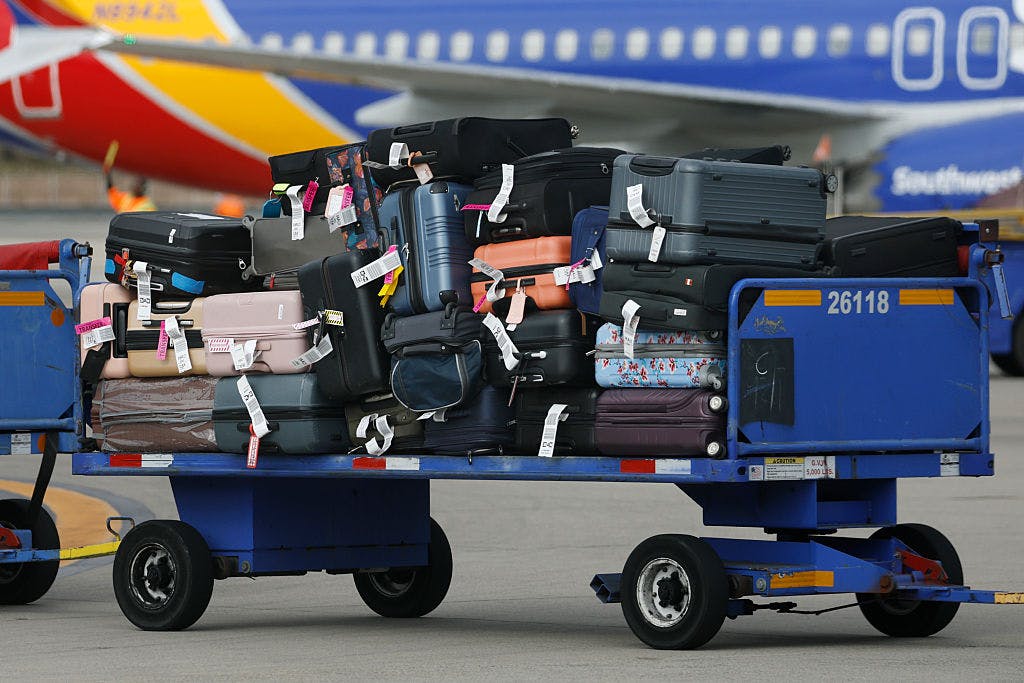
American Airlines joins the flock, hiking bag fees amid higher jet fuel prices

American Airlines on Thursday announced that it, too, will be hiking the fees it charges customers to check luggage.

With the move, all four of the major US airlines, which together control about 80% of the US market, have now hiked their baggage fees in recent days amid surging jet fuel prices.

The change will go into effect on tickets bought on or after Thursday, the same day Southwest’s hike begins.

Since late March, JetBlue, Delta Air Lines, United Airlines, Canada’s WestJet, and Southwest have hiked their fees. Experts expect more major carriers to follow, and to potentially tweak the pricing of other ancillary revenue sources like seat assignments and carry-on luggage.

The change will go into effect on tickets bought on or after Thursday, the same day Southwest’s hike begins.

Since late March, JetBlue, Delta Air Lines, United Airlines, Canada’s WestJet, and Southwest have hiked their fees. Experts expect more major carriers to follow, and to potentially tweak the pricing of other ancillary revenue sources like seat assignments and carry-on luggage.

business

Less than a year after implementing them, Southwest is also hiking its bag fees

Southwest Airlines has joined the growing list of airlines opting to hike their bag fees amid sustained higher jet fuel costs.

Starting today, the first checked bag at the carrier — which implemented bag fees less than a year ago — will jump from $35 to $45, and the second from $45 to $55. Southwest quietly disclosed the change Tuesday.

Southwest assigned the decision to “part of an ongoing analysis of the business and against the evolving global backdrop.”

As of Wednesday, jet fuel prices dropped to $4.16 a gallon, per the Argus US Jet Fuel Index, down from $4.81 on Tuesday following President Trump’s ceasefire announcement, which sent travel stocks soaring. Major airlines have shed some of those gains in premarket trading Thursday.

With the move to hike bag fees, Southwest joins JetBlue, United Airlines, Delta Air Lines, and Canada’s WestJet, all of which also boosted fees this month. Experts expect more major carriers to follow, and to potentially tweak the pricing of other ancillary revenue sources like seat assignments and carry-on luggage.

Southwest assigned the decision to “part of an ongoing analysis of the business and against the evolving global backdrop.”

As of Wednesday, jet fuel prices dropped to $4.16 a gallon, per the Argus US Jet Fuel Index, down from $4.81 on Tuesday following President Trump’s ceasefire announcement, which sent travel stocks soaring. Major airlines have shed some of those gains in premarket trading Thursday.

With the move to hike bag fees, Southwest joins JetBlue, United Airlines, Delta Air Lines, and Canada’s WestJet, all of which also boosted fees this month. Experts expect more major carriers to follow, and to potentially tweak the pricing of other ancillary revenue sources like seat assignments and carry-on luggage.

Mounjaro KwikPen Photo Illustrations

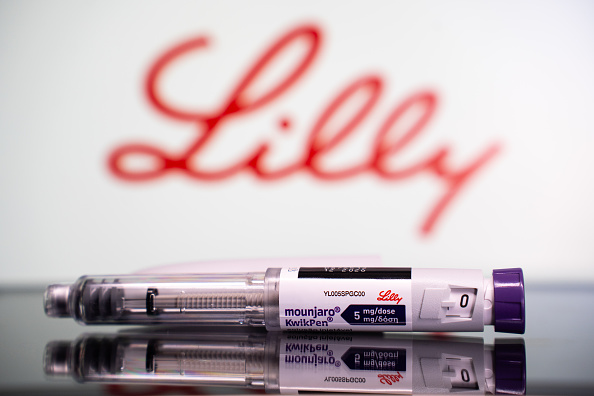
Eli Lilly makes the world’s bestselling drug. Can it keep the party going?

Some are starting to worry that Lilly, which for a short time vaulted into the trillion-dollar market cap club, may have hit a plateau.

Latest Stories

Sherwood Media, LLC produces fresh and unique perspectives on topical financial news and is a fully owned subsidiary of Robinhood Markets, Inc., and any views expressed here do not necessarily reflect the views of any other Robinhood affiliate, including Robinhood Markets, Inc., Robinhood Financial LLC, Robinhood Securities, LLC, Robinhood Crypto, LLC, Robinhood Derivatives, LLC, or Robinhood Money, LLC. Futures and event contracts are offered through Robinhood Derivatives, LLC.