

![I want you, US Army poster [altered]](https://sherwoodnews.imgix.net/uncle-sam-poster-influencer.png?auto=compress%2Cformat&cs=srgb&fit=max&w=3840)
The US military is deploying influencers to help drive recruitment
With the armed forces seeing its active-duty personnel slump to a record low last year, where better to attract young new recruits in 2025 than social media?
The face of advertising has transformed almost inconceivably since the first US military recruitment campaigns began cropping up on radio, film, and print media at the start of the 20th century.
When troops were conscripted as part of “the draft,” spanning four major international conflicts from 1917 to 1973, army propaganda was mainly used to stoke patriotism. Then, after the draft was abolished in response to Vietnam War protests, the introduction of the “all-volunteer force” meant that the American military had to find ways of marketing the forces to a rapidly modernizing demographic of young people.
Rallying the troops
During the Cold War, the Army launched the self-development-forward “Be All You Can Be” TV commercial, complete with a catchy jingle. The War on Terror of the 2000s saw the forces underscore solidarity — with the short-lived slogan “Army of One” being replaced by “Army Strong” — while in the past few years, more tenacious, video-game-adjacent taglines like "What’s Your Warrior?” have been used to appeal to contemporary audiences.
But recently, the US military has been facing a recruitment crisis, at the same time that geopolitical tensions are percolating and America’s position in international conflicts is in the crosshairs. Last year, the total number of active-duty troops across the major branches of the US military was reported to be a record low of ~1.3 million, according to defense data cited by USAFacts — down more than 60% from the ~3.5 million peak seen in 1968.
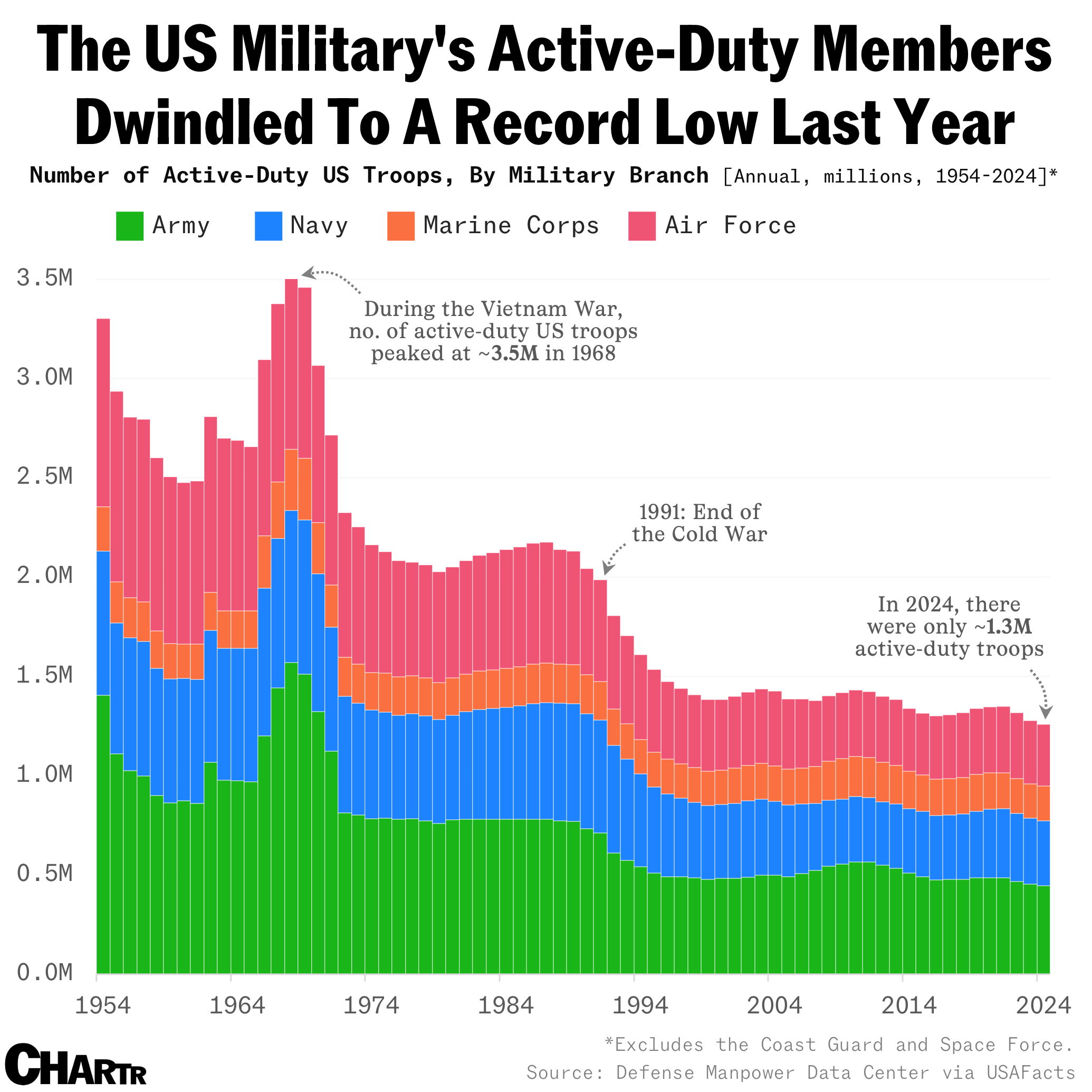
While active-duty military personnel levels fell significantly at the end of the Vietnam War, and then again after the Cold War, troop numbers have fallen only very modestly in the last 20 years.
However, as outlined in a fascinating New Yorker piece from earlier this year, the US Army missed its recruitment goals by almost 25% in 2022 and 2023, equivalent to ~15,000 troops per year. It did meet its goal of 55,000 new active-duty soldiers in 2024… but only by lowering the target by more than 10,000.
The number of active-duty troops in the military doesn’t account for civilian personnel, individuals employed by the military who are not part of the armed forces, which has stayed relatively constant, with ~726,000 counted at the end of last year. Meanwhile, the Army Reserve, composed of trained volunteers to be used in an emergency, hasn’t met its benchmark since 2016. The Navy and the Air Force haven’t fared much better either, filling ranks with lower-standard recruits to meet targets, per The New Yorker.
Campaign trail
Still, in February, the US Army Recruiting Command announced that it had its best December in 15 years, having enlisted roughly 346 soldiers per day on average. In March, the US military said it was already tracking strong recruiting figures across the services in 2025, with the Army having signed up ~73% of its goal in the first five months of the recruiting year. General James Mingus, the Army’s vice chief of staff, said, “We’ve seen momentum unlike we have seen in probably a decade.”
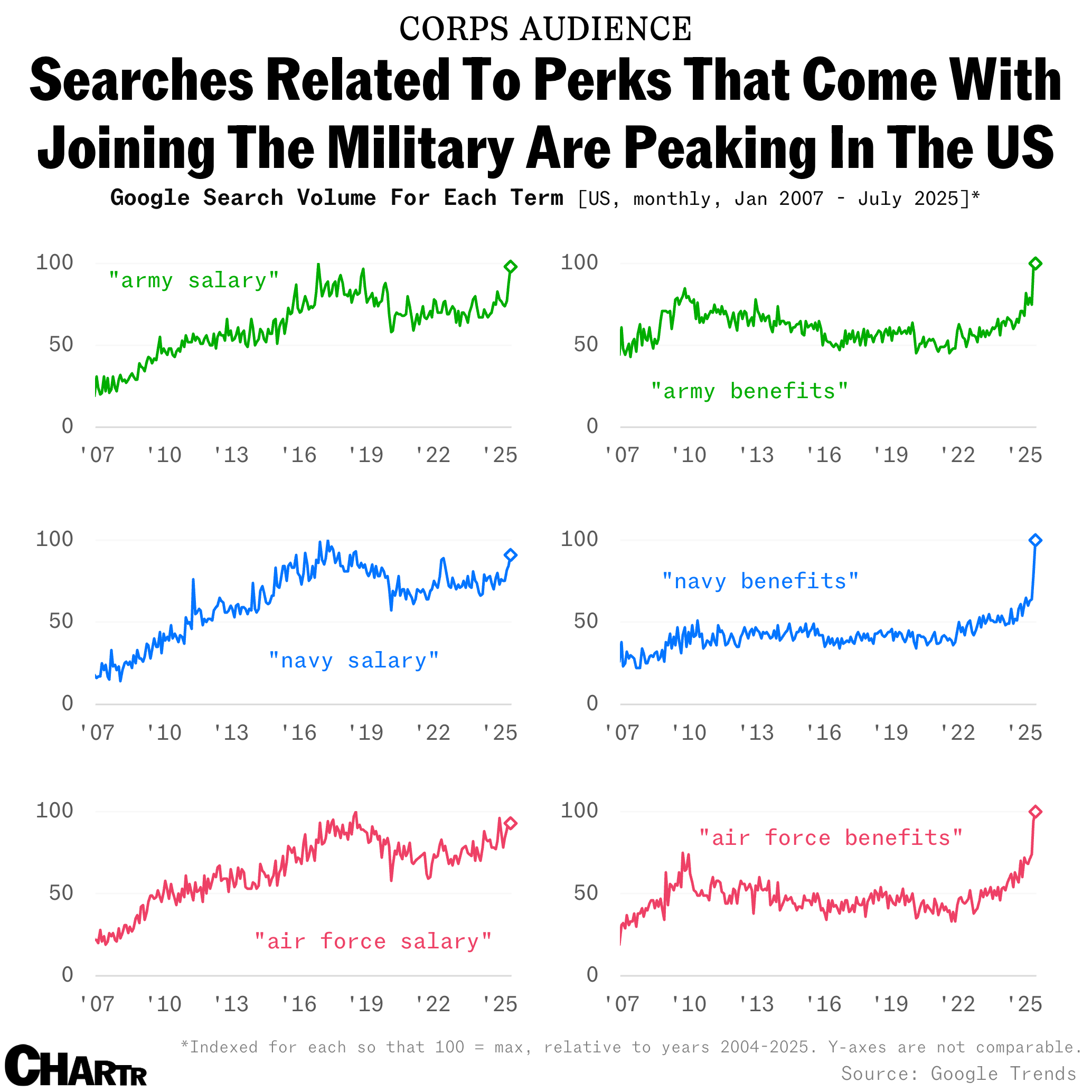
Looking at Google Trends data, search volumes for queries related to the perks that come with joining the Army, the Navy, and the Air Force — such as salary and benefits like healthcare and education — have all reached relative highs in the few months.
So, where did this sudden surge in service interest come from?
New government aside, it’s hard to ignore the fact that young Americans are entering the workforce at a tough time. Indeed, this nascent pickup in military curiosity also comes as job opportunities for young, military-age Americans have taken a turn for the worse. The unemployment rate for Americans aged 18 to 19 has climbed to 15.6% in July, its highest level since 2020 and a rate that’s 3.7x the national average. That’s the largest premium on record, based on Bureau of Labor Statistics data going back to 1948.
But it’s also no coincidence that this spike in interest has occurred at the same time that the US military has started to warm up to social media — in particular, utilizing it to communicate with (and potentially recruit) a younger audience.
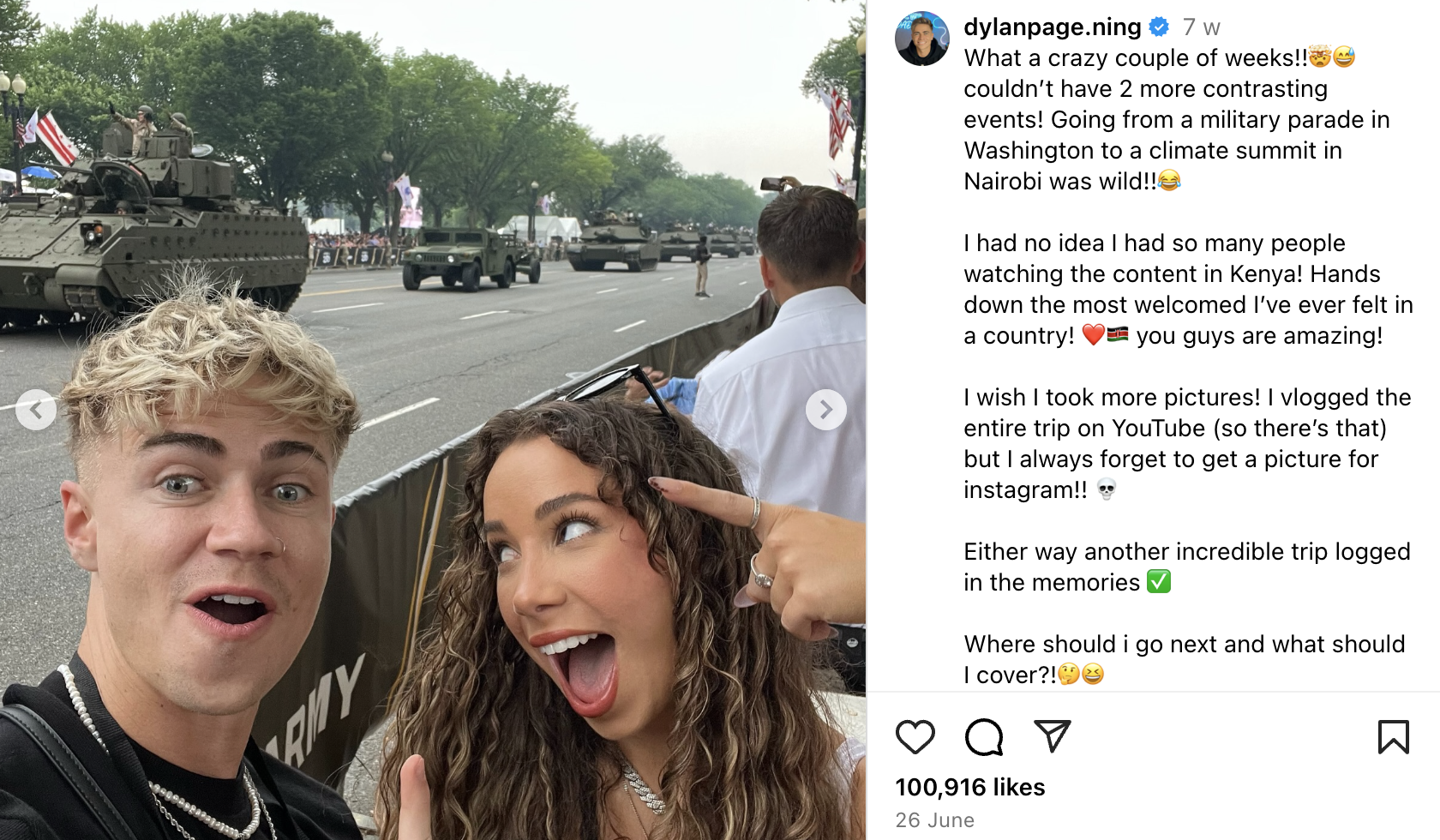
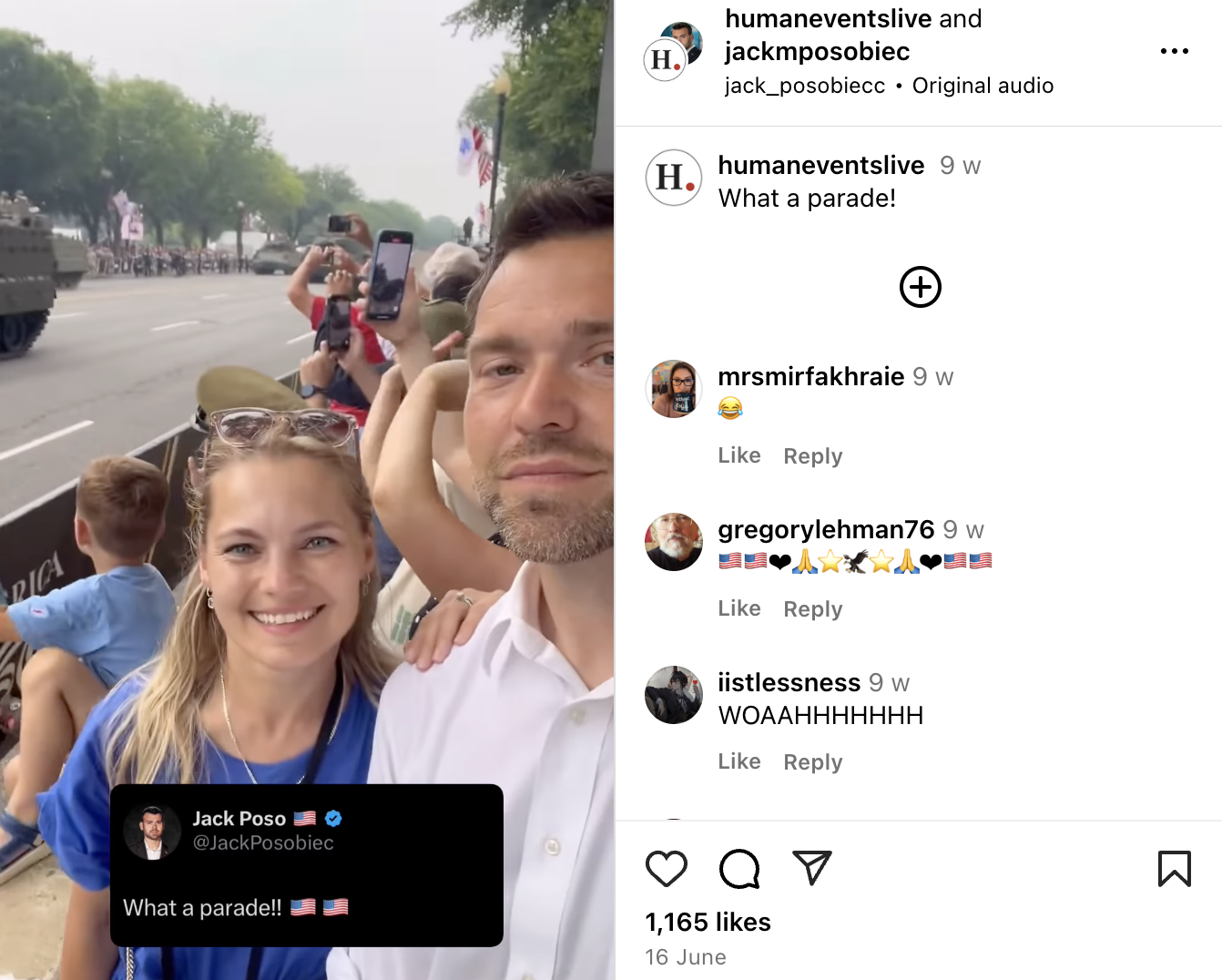
One notable example: back in 2022, the Army invited 13 social media influencers to Washington for an event coinciding with the service’s birthday. Cut to present day, and the Army’s 250th anniversary in June saw more than 30 influencers invited to take a prime spot during celebrations to broadcast the parade from the sidelines.
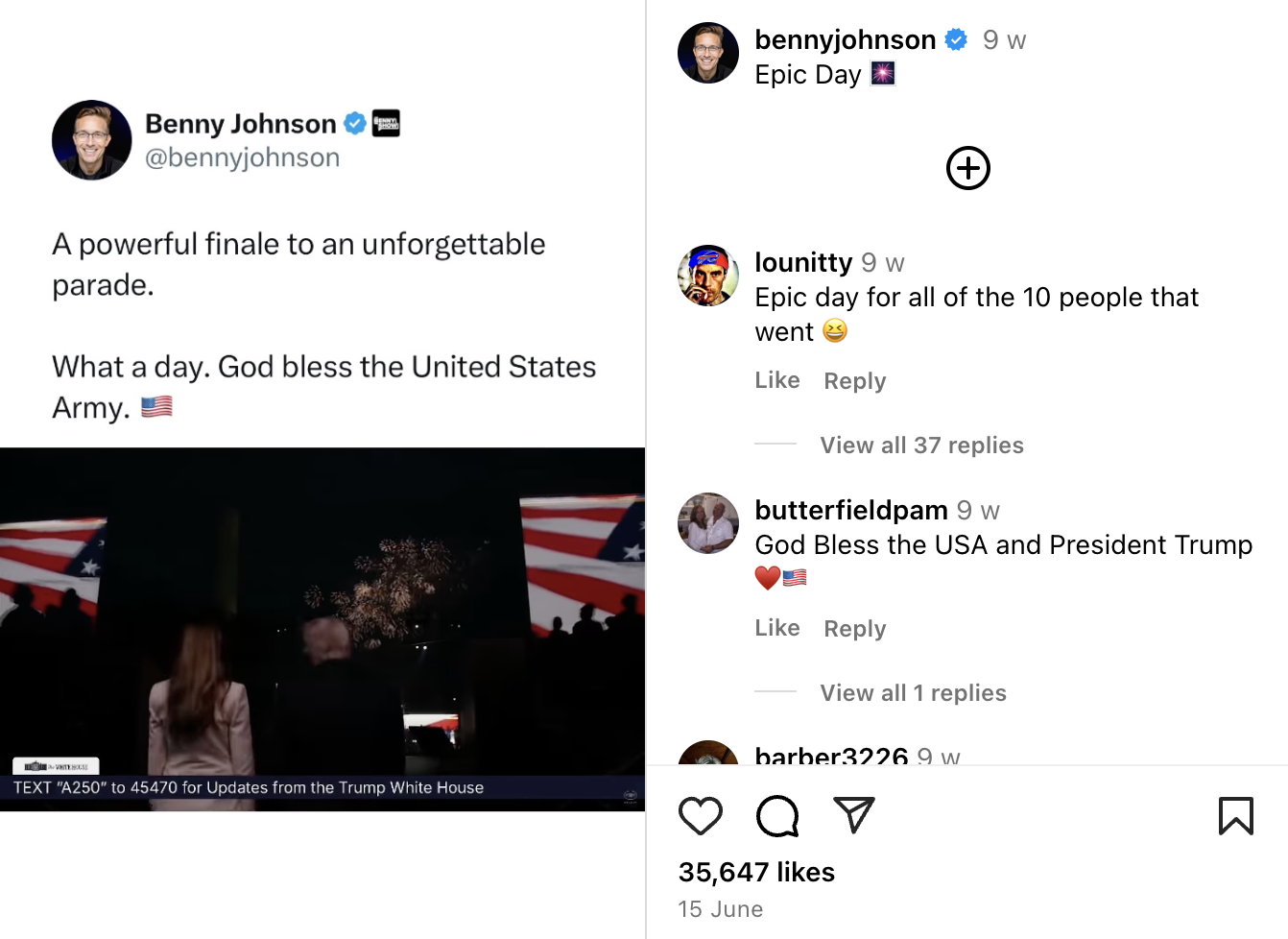
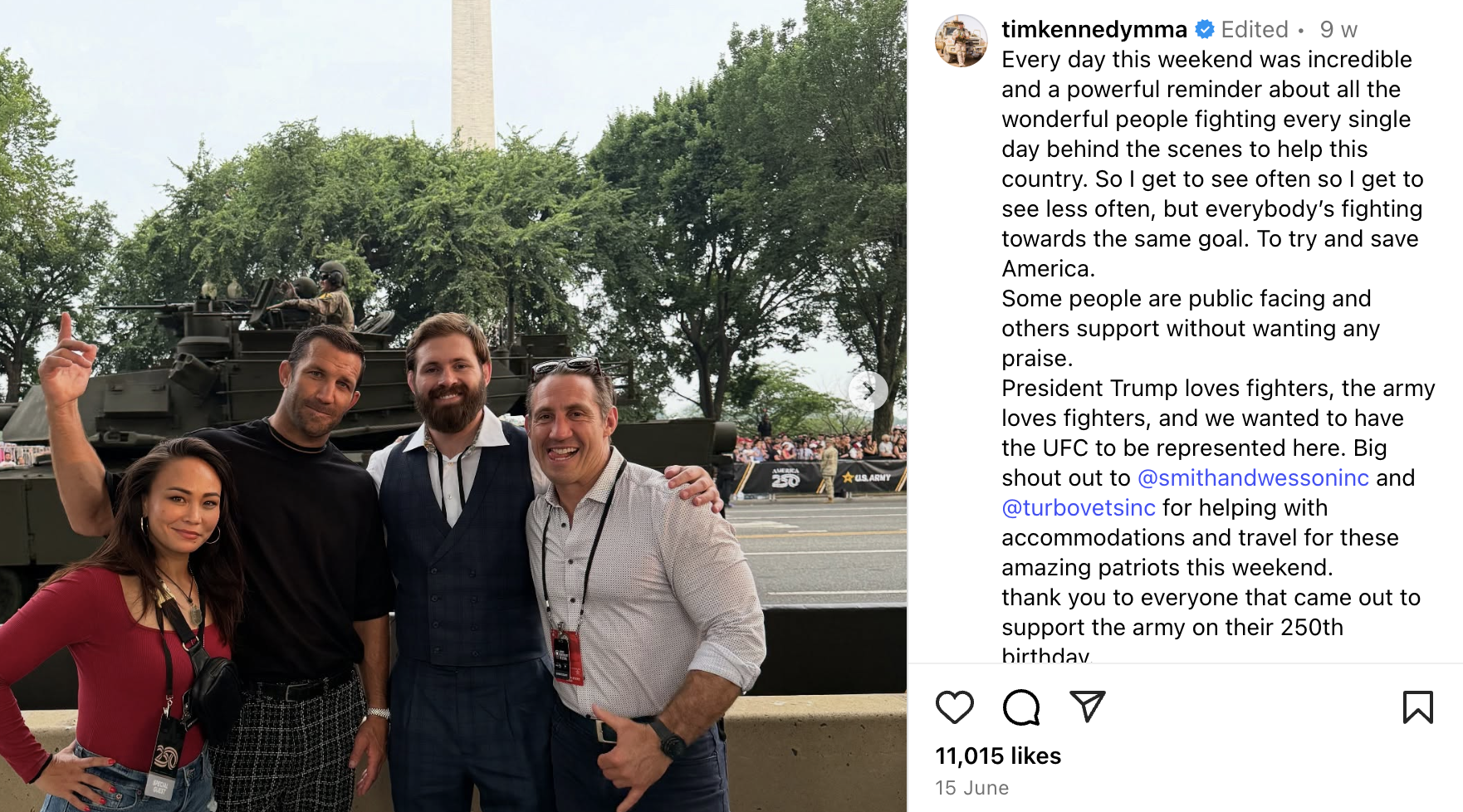
While the Department of Defense still maintains an anti-TikTok stance and no official military TikTok pages exist yet, the US Army has had an Instagram page since around the mid-2010s. Now, though, @usarmy seems to be more active than ever on the platform, with its media count increasing by 131 posts in June alone, per Social Blade.
The military’s efforts to become more visible on social media are well documented. Vice reported in 2022 that the US Army had allocated millions of dollars to “Call of Duty”-playing Twitch streamers in an attempt to reach Gen Z, and a Guardian article published on Monday describes the military’s new initiative to promote the benefits of life in the service by paying influencers to make sponsored posts.
Area of influence
It appears that the US Army is now financing paid partnerships with buzzy online figures — including fitness influencers, like the 1.3 million-follower-strong Steven Kelly, as well as prominent adrenaline seekers like Breannah Yeh — to highlight to their fan bases both the excitement and discipline that the military could afford them.
On TikTok, the military lifestyle is documented (and, to an extent, glamorized) in videos using the hashtag “#MilTok” — with an Economist article published on Tuesday emphasizing the prevalence of “unabashedly feminine” female soldiers using the tag. Outlets like Dazed have even postulated that the Army could be employing e-girls on the platform to further its recruitment drive using “thirst traps.”
Not only this, but despite the army previously taking a hands-off approach to the growing number of military influencers that are actually in the military, the Military Influencer conference that takes place in Atlanta next month will include sessions about how one can navigate active duty while still “elevating military voices on TikTok,” per The Guardian.
You and what army?
Even the very top brass of America’s defense complex are now embracing social media. Just this week, US Secretary of Defense Pete Hegseth and Secretary of Health Robert Kennedy Jr. launched a fitness challenge: 100 push-ups and 50 pull-ups in under 10 minutes.
The video has racked up over 50,000 views since being posted on the official Department of Defense YouTube channel, which only has about 211,000 subscribers. But the “Pete and Bobby Challenge” has also been clipped hundreds of times across social media — as people take to TikTok to see if they can carry out something reminiscent of a military drill.