
Markets
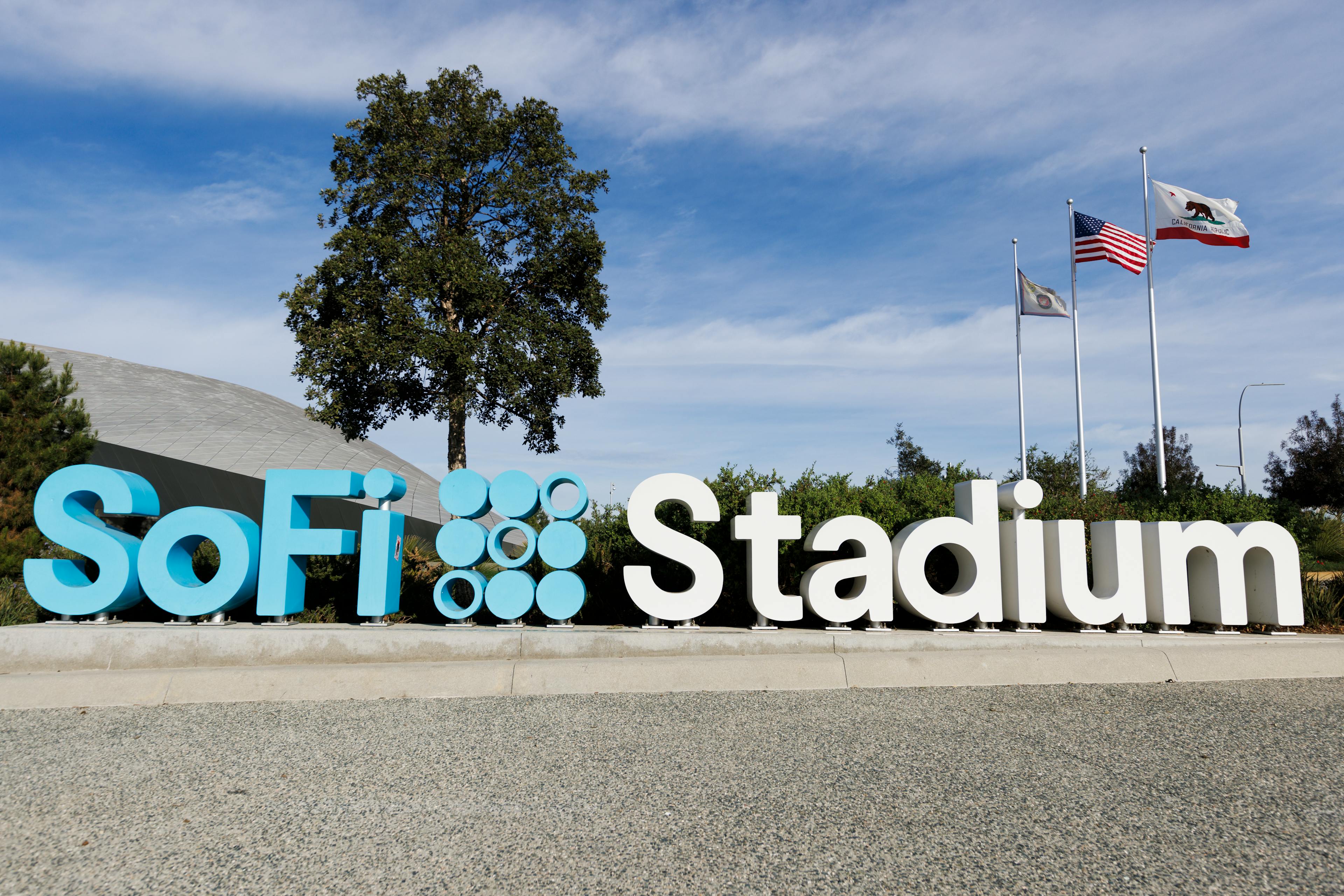
Sofi Stadium Logo
(Ric Tapia/Getty Images)

Analysts break down what’s driving SoFi’s recent surge

Part of the rally is related to the federal government’s retreat from student lending. But there’s more to it.

Matt Phillips

SoFi Technologies has been an under-the-radar winner since the market’s tariff-related tumble earlier this year. It’s up roughly 200% from the market’s April 8 low, with the shares hitting an all-time closing high of $29.81 on September 22.

It’s easy to explain some of the upswing. SoFi beat expectations and raised guidance in both its Q1 and Q2 earnings reports.

But rising estimates can’t explain all the price appreciation, as the company’s forward price-to-earnings ratio has risen sharply from under 30x in April to roughly 55x.

Fintech analysts led by Devin Ryan at Citizens JMP Securities laid out their views on the stock’s drivers in a note published Thursday, saying that SoFi’s diversification into crypto and brokerage offerings is positioning the company for a profitable addition to its core consumer lending activities.

They wrote:

“We see more opportunity in Brokerage; the company can add new revenue streams from tokenization and Stablecoins; the Technology business appears to be inflecting positively, and just in recent days the press reported that the White House is weighing options to sell off parts of the federal government’s $1.6T student loan portfolio to the private market.

While details are limited, we interpret this as further signals that the U.S. government is looking to detach further from the student loan market (Big Beautiful Bill provided other provisions), which we believe could reignite momentum as activity accelerates to the private market (both initial loans and refinance opportunities...

On the flipside, given the current valuation, we do think any economic hiccup could weigh on shares in the near term, even though we are confident in SoFi’s ability to navigate an inevitable eventual macro slowdown.”

All that said, Wall Street is far from wildly bullish on the stock. The average price target from analysts tracked by FactSet is just $22, implying a 20% drop from current levels.

More Markets

See all Markets
markets

SpaceX gets a wave of bullish ratings from Wall Street analysts

SpaceX received more than a dozen positive analyst calls on Tuesday — including from major Wall Street banks — as they initiate coverage on Elon Musk’s space and AI company.

SpaceX went public on June 12 at a $2.2 trillion valuation, the largest debut in history. While the company hasn’t yet posted a profit, it seems to have convinced Wall Street that it will get there and grow its valuation on the way.

Of the at least 17 analysts that gave a rating on Tuesday, all but one gave it a “buy” or “outperform” rating. MoffettNathanson was "neutral."

The ratings come as SpaceX joined the Nasdaq 100 index, a benchmark tech-heavy basket of companies that underpins millions of portfolios. The inclusion adds built-in demand for the stock from index funds and ETFs.

Still, SpaceX fell more than 5% on Tuesday amid a broader sell-off, and is currently effectively flat from its opening price of $150 a share.

markets

Nike sinks to lowest level since 2014 after warning of “challenged” sales environment in Q4 report

Did Nike do it?

Investors had a mixed reaction after the global sports apparel company reported its fourth quarter earnings on Tuesday after the bell. Shares initially rose 5% as Nike beat out Wall Street expectations amid a hefty tariff refund bonus. However, the stock then sank to its lowest level since August 2014 in postmarket trading.

Here are the Q4 numbers:

  • Revenue of $11.0 billion (estimate: $10.8 billion).

  • Adjusted earnings per share of $0.20 (estimate: $0.12).

Ahead of this report, Nike warned that results would be flattered by a one-time tariff refund (now estimated at roughly $0.52 per share for the bottom line). That gave the company an extra cushion in snapping its streak of seven quarters of year-over-year profit declines.

Over the past year, the company had been punished by tariffs on imported goods, stagnant consumer spending, and increasing competition from other footwear brands like New Balance, Adidas, and Hoka.

Outgoing CFO Matthew Friend deemed it an “increasingly challenging operating environment, where sell-through remains challenged.”

Latest Stories

Sherwood Media, LLC and Chartr Limited produce fresh and unique perspectives on topical financial news and are fully owned subsidiaries of Robinhood Markets, Inc., and any views expressed here do not necessarily reflect the views of any other Robinhood affiliate, including Robinhood Markets, Inc., Robinhood Financial LLC, Robinhood Securities, LLC, Robinhood Crypto, LLC, Robinhood Money, LLC, Robinhood U.K. Ltd, Robinhood Derivatives, LLC, Robinhood Gold, LLC, Robinhood Asset Management, LLC, Robinhood Credit, Inc., Robinhood Ventures DE, LLC and, where applicable, its managed investment vehicles.

