Earnings season a chance for AI hyperscalers to “get their mojo back”
Hyperscalers need more “hype” on their potential AI moneymaking opportunities or to show that their “scale” continues to drive huge growth through this spending binge.
Investors can be attracted to themes and seduced by narratives. But there’s nothing as irresistible as a line on a chart that goes up very quickly.
That simple fact may help explain the magnitude of the rotation within AI-linked stocks, where investors are eager to hitch their wagons to pockets of accelerating growth driven by supply shortages that force hardware prices skyward. The focus is on having exposure to these near-term, scarcity-fueled profit opportunities, like semicap as well as memory and storage stocks, while eschewing the megacap hyperscalers’ pursuit of transformative medium-term prospects.
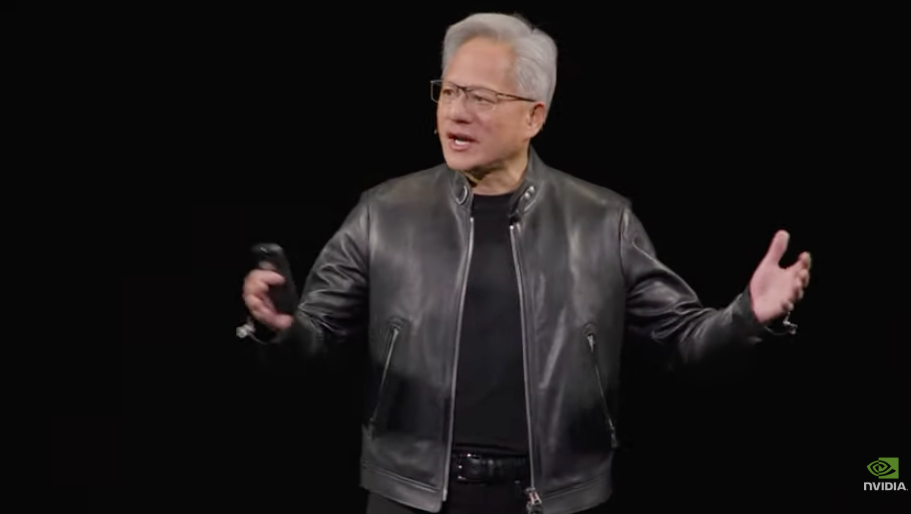
If you listen to Jensen Huang and Dario Amodei at Davos today and combine their talks, you get this. Long Commodities and Hardware, Short 2026 ROIC for spenders. pic.twitter.com/hrJq1BdzfN
— Jordi Visser (@jvisserlabs) January 21, 2026
Next week, members from all of these different tech groups will deliver quarterly results, headlined by Meta and Microsoft on Wednesday.
If you’re a portfolio manager who came into 2026 wanting to maintain the same amount of AI exposure while focusing on the pockets within that theme with the best improvement in prospective earnings growth, well, that likely means you’ve been lightening up on the Magnificent 7 heavyweights.
Their size, high margins, and dominant positions in fast-growing markets have helped the hyperscalers outperform most US companies over the past decade. But that size and track record is what allows for persistent capex outlays on such a grand scale — and that’s something that’s making the near-term profit outlook more attractive elsewhere in the tech ecosystem. In short, the intensity of hyperscalers’ AI build-outs is the critical driver of shortages that are driving expectations of windfall profits for different parts of the semiconductor supply chain.
However, not all of hyperscalers’ AI spending supports immediate moneymaking opportunities. A lot of compute is still used for training The Next Great Model Update, rather than to support internal products or cloud capacity that can be sold to customers.
Since you’re reading this in the press, this is definitely a dynamic that is well understood and embedded in market prices. As such, earnings season could serve as fuel for a rotation back into megacap tech — whether that’s thanks to its successes or the inability of these new market hot spots to live up to sky-high expectations. Look no further than Intel for an example of what happens when a parabolic rally is followed by anything less than perfect results.
“My instinct is there’s a window to own short-dated upside calls on the big US tech stocks for the reporting period,” wrote Tony Pasquariello, global head of hedge fund coverage at Goldman Sachs. “If there’s a seam for the mega caps to get their mojo back, earnings should be as good an opportunity as any.”
Earnings season offers a good time to reset the narrative, whether that’s by reminding everyone about the predictably boring billions in profits they book on a quarterly basis — or the hitherto unforeseen new revenue streams they hope to develop with the help of AI.
“Azure upside with a view to stable growth through fiscal second half and y/y operating margin expansion at a company level would likely be well received, in our view,” Deutsche Bank analyst Brad Zelnick wrote on Microsoft. “We think this provides room for the stock to work against what has been a tough tape for Software YTD as the duration of compounding mid-teens growth continues to be more fully appreciated and consensus numbers move higher for the second half of fiscal 2026.”
On the other hand, Morgan Stanley analyst Brian Nowak argues that Meta needs to deliver better-than-expected top-line growth and “lay out the longer-term drivers of revenue growth the company believes it can create with its ramping investment.” He wrote, “This could include further ML improvements or products to drive more engagement/monetization, business messaging, agents, diffusion models, MetaAI, hardware and wearables, and leading future models distributed through AWS/Azure that companies can use and build upon.”
Put differently, hyperscalers need more “hype,” or to deliver a clear sign about their “scale,” to continue producing earnings through this spending binge.
Ahead of the start of Big Tech earnings, there’s also a welcome sign that the group is poised to rebound: this week, the Mag 7 entered (and exited) “oversold” territory, based on the 14-day relative strength index, judged to be a positive technical development. The last time the group had been this washed out, based on this metric, was after onerous tariffs kneecapped the market in April 2025.