


European luxury stocks fall out of fashion after tariffs, with luxury watch retailer hit particularly hard
As the President Trump’s 20% blanket tariff on all imports from the European Union into the US wreaks havoc on the stock market, one industry that’s fast becoming passé for investors is Europe’s luxury sector.
Indeed, Europe is the epicenter of the world’s luxury brands, accounting for ~70% of the global luxury goods market, per EU estimates. The region’s high-end exports are valued at some €260 billion (~$287 billion) annually.
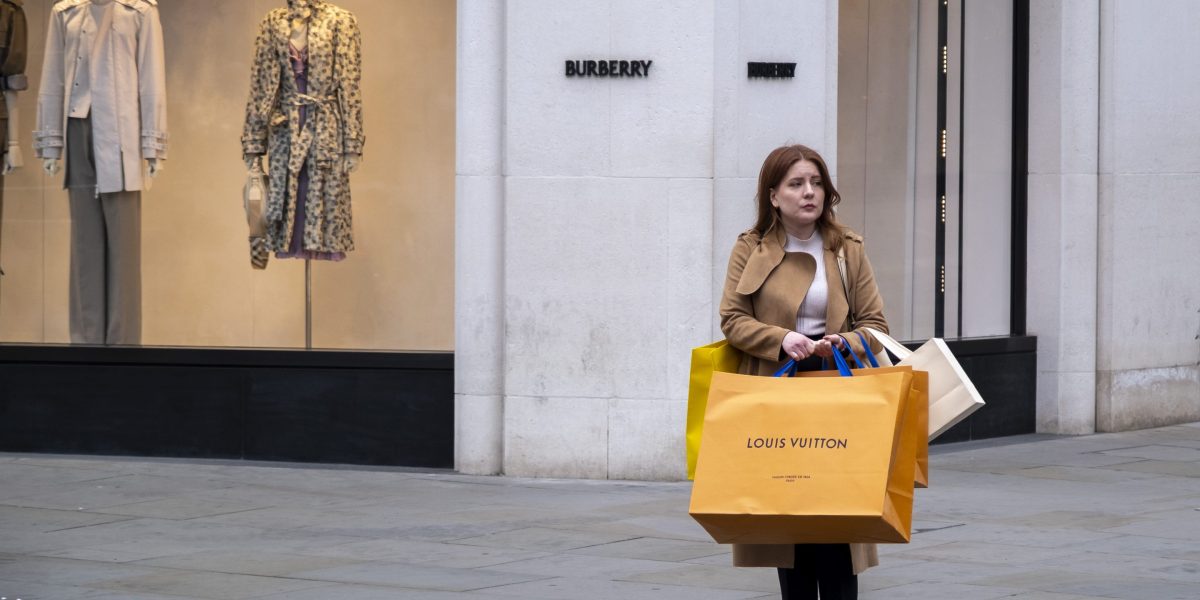
Following the announcement, luxury stocks across Europe dropped, with Louis Vuitton parent company LVMH, Gucci owner Kering, London-listed Burberry, and Italy’s Moncler all slipping on the news.
But it’s the smaller UK-based Watches of Switzerland that’s getting hit hardest in the space, with its stock down more than 13% in London trading. Since its core business focuses on shipping luxury watch brands like Rolex, Patek Philippe, Cartier, and others around the world — with 45% of its sales last year coming from the US — the high-end retailer appears particularly exposed to rising tariffs.
As outlined by Fortune, one reason for Trump’s tariffs is to encourage investment in US manufacturing to avoid import fees — but the European luxury sector often bases its brand culture on local craftsmanship, making moving production stateside unlikely for many fashion houses and jewelers.

Following the announcement, luxury stocks across Europe dropped, with Louis Vuitton parent company LVMH, Gucci owner Kering, London-listed Burberry, and Italy’s Moncler all slipping on the news.
But it’s the smaller UK-based Watches of Switzerland that’s getting hit hardest in the space, with its stock down more than 13% in London trading. Since its core business focuses on shipping luxury watch brands like Rolex, Patek Philippe, Cartier, and others around the world — with 45% of its sales last year coming from the US — the high-end retailer appears particularly exposed to rising tariffs.
As outlined by Fortune, one reason for Trump’s tariffs is to encourage investment in US manufacturing to avoid import fees — but the European luxury sector often bases its brand culture on local craftsmanship, making moving production stateside unlikely for many fashion houses and jewelers.



