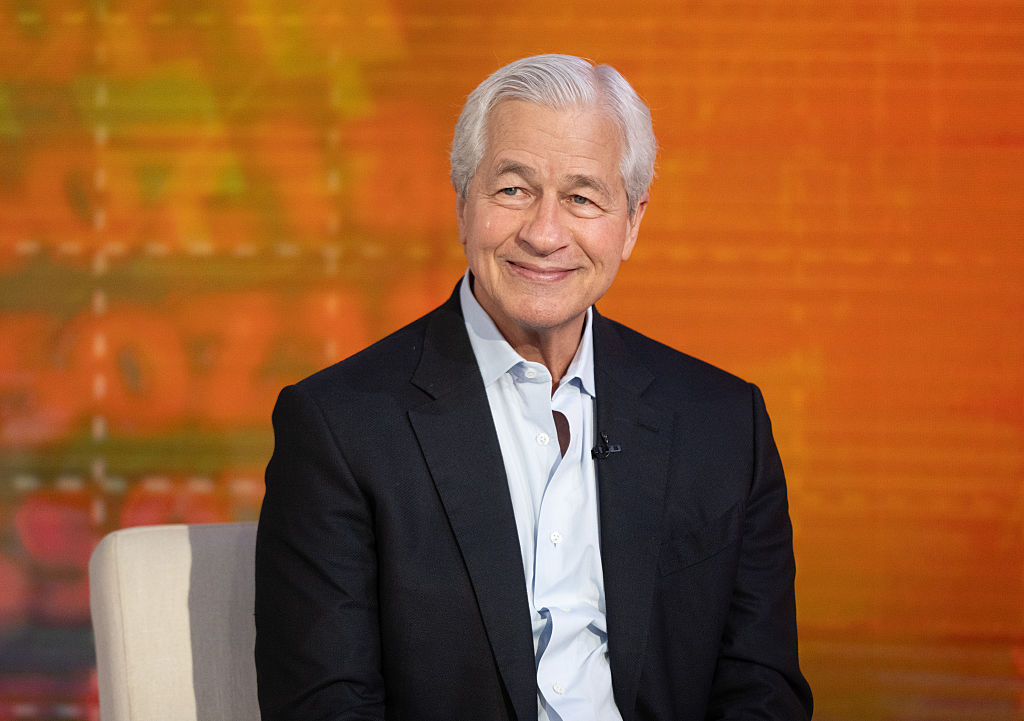
HSBC Group's CEO, Georges Elhedery, just broke down why end-buyers of oil are facing prices way above what traders see on their screens.
During a fireside chat with Bloomberg TV’s David Ingles at HSBC’s Global Investment Summit, Elhedery explained why his “biggest worry about the global economy is the disruption that’s coming from the Strait of Hormuz closure, or quasi closure.”
While the ceasefire between the US and Iran was intended to improve the flow of oil through this key chokepoint, the subsequent announcement of a US blockade of the waterway threatens to do precisely the opposite.
And that’s potentially prolonging, or exacerbating, the pain for crude importers, as Elhedery unpacked:
“What worries me is not the headlines, I mean oil headline is above $100, $110. Realistically, if you are now trying to get oil from the Middle East, you may be paying $140, $150.
Realistically, if you try to get oil from the Red Sea, you are paying more than $30, $40 for shipping. Insurance costs, which used to be 25 basis points, is more like 5%, and war insurance has been scrapped, you’re paying 5% without even the war insurance component.
So the barrel of oil door to door or the barrel of refined oil door to door is way above the headline price of oil. The highest I’ve seen, and I’m hoping we don’t see more of that, but the highest I’ve seen is $286 dollars for a barrel of oil that reached Sri Lanka. This is not a country and an economy that can easily afford these kind of prices sustainably.”
In separate interview with Bloomberg News, Elhedery warned that the continuation of these shipping disruptions would be felt not just in the price of energy, but also its availability.
Separately, the International Energy Agency updated its oil market outlook, with the Paris-based organization now forecasting a contraction in both supply and demand for oil, predicting an "80,000 bpd drop in demand growth this year, from a 640,000 bpd rise in its March report" according to Reuters.