

Tech
tech

Adobe and Canva would be the secret winners of a TikTok ban

One of the biggest stories in tech is President Biden's TikTok ban. In April, Biden signed a law that would ban TikTok unless it's sold to non-Chinese ownership in the next year.

However, TikTok's parent company ByteDance has since sued the federal government, alleging First Amendment free speech violations, and Donald Trump, who sought to ban TikTok in 2020, has also reversed his stance, claiming that a TikTok ban would benefit Meta's social media platforms: Facebook and Instagram.

Meta's gains from a potential TikTok ban are obvious: Instagram Reels and TikTok dominate the short-form video market, and Meta could solidify its position as the market leader if its top competitor disappeared.

However, Meta isn't the only company that could benefit from a TikTok ban. Design platforms such as Canva and Adobe stand to be winners as well.

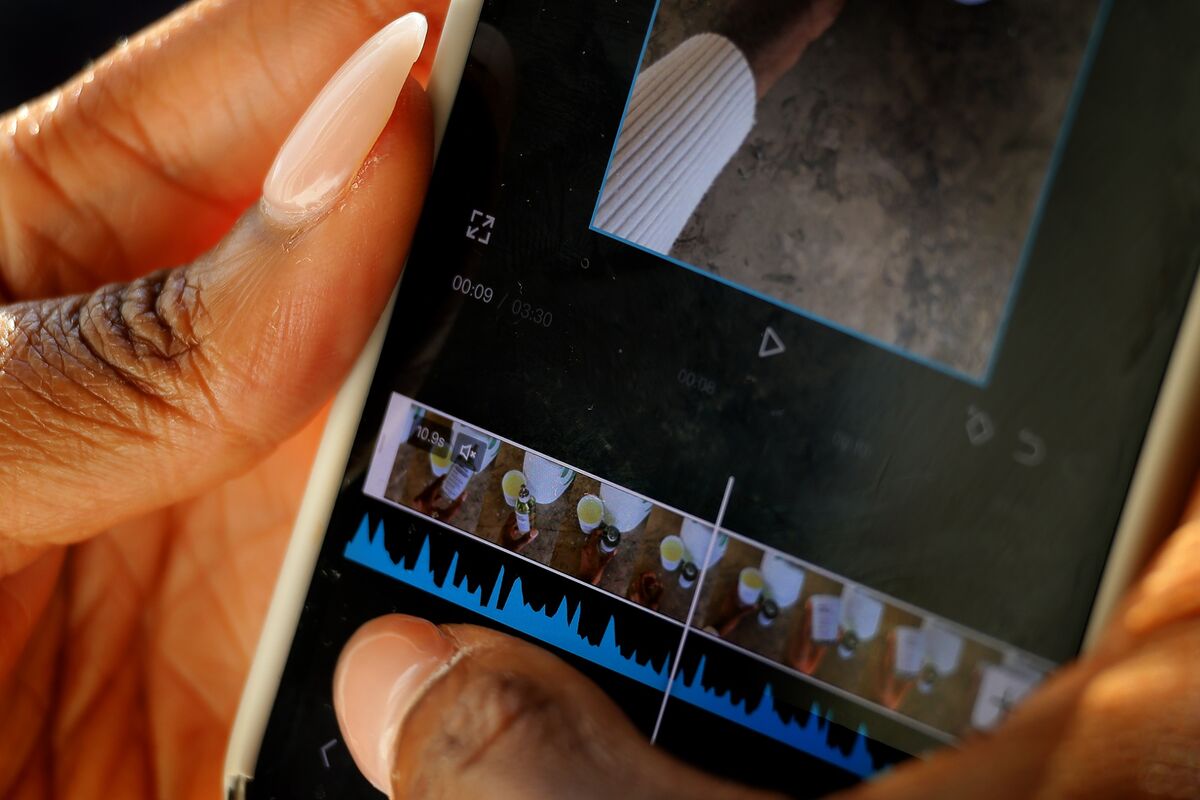
TikTok is ByteDance's most well-known subsidiary, but the parent company also owns CapCut, which controls 81% of the mobile video editor market. While Adobe and Canva's extensive product suites attract enterprise and professional customers, CapCut's mobile-first design has made it the go-to choice for TikTok and Instagram creators, and its number of monthly active users is now three times higher than its closest competitor, Canva.

Bloomberg reported that Biden's divest-or-ban bill was written to include CapCut, meaning that the tens of millions of Americans who have downloaded the video editing platform might have to find an alternative.

Assuming the ban happens, all eyes will be on Zuckerberg, but it will be interesting to see which design platform replaces CapCut as influencers' preferred editing tool.

Meta's gains from a potential TikTok ban are obvious: Instagram Reels and TikTok dominate the short-form video market, and Meta could solidify its position as the market leader if its top competitor disappeared.

However, Meta isn't the only company that could benefit from a TikTok ban. Design platforms such as Canva and Adobe stand to be winners as well.

TikTok is ByteDance's most well-known subsidiary, but the parent company also owns CapCut, which controls 81% of the mobile video editor market. While Adobe and Canva's extensive product suites attract enterprise and professional customers, CapCut's mobile-first design has made it the go-to choice for TikTok and Instagram creators, and its number of monthly active users is now three times higher than its closest competitor, Canva.

Bloomberg reported that Biden's divest-or-ban bill was written to include CapCut, meaning that the tens of millions of Americans who have downloaded the video editing platform might have to find an alternative.

Assuming the ban happens, all eyes will be on Zuckerberg, but it will be interesting to see which design platform replaces CapCut as influencers' preferred editing tool.

More Tech

See all Tech
tech
Tom Jones

Prediction markets have, predictably, been given a boost by the summer of sports

Major platforms like Kalshi and Polymarket have seen huge upticks in users of late, thanks in no small part to what’s felt like a recent sporting smorgasbord, with major competitions across hockey, basketball, and soccer soaking up fans’ time (and spending, clearly) at the outset of summer.

While gaming industry groups may not like it, there’s been a huge change in the methods people are using to put money on the big games, with everyone from fortunate NYC bar owners, to a far less fortunate Spanish supporter, turning to prediction markets to try and turn their sports know-how into cold, hard cash.

According to a new report from Adam Blacker for apptopia, that shift might have been even more seismic than imagined in the wake of the NBA and NHL finals and around the 2026 World Cup kicking off.

While gaming industry groups may not like it, there’s been a huge change in the methods people are using to put money on the big games, with everyone from fortunate NYC bar owners, to a far less fortunate Spanish supporter, turning to prediction markets to try and turn their sports know-how into cold, hard cash.

According to a new report from Adam Blacker for apptopia, that shift might have been even more seismic than imagined in the wake of the NBA and NHL finals and around the 2026 World Cup kicking off.

South by Southwest Conference and Festivals

Gold Tesla Cybercabs are piling up, but they’re not picking up passengers yet

Low-volume production started in April. Now people are noticing them more and more in the wild.

Rani Molla6/15/26
tech
Jon Keegan

Anthropic pulls Fable and Mythos access worldwide after Trump administration bars their use by foreign nationals

Only days after releasing two versions of its next-gen AI model, Anthropic has disabled them for users worldwide.

Anthropic says it received a Friday night order from the Trump administration to suspend access to the models for any foreign national (anywhere in the world) — a group that included some Anthropic employees. In response, the company turned off access to everyone.

Last week, the company released to the public its much-anticipated Claude Fable 5 model (and its restricted version Claude Mythos 5, which is still being tested with trusted partners). Anthropic said in a blog post announcing the action that officials cited national security concerns with the new models, while offering few specific details.

The post said that the government gave the company “verbal evidence of a potential narrow, non-universal jailbreak” of the public Fable 5 model. A jailbreak is a means by which users can evade restrictions built into the code to unlock prohibited functionality. Anthropic downplayed the significance of the attack, and said other major models, such as OpenAI’s GPT-5.5, could also be affected by the technique described.

Fears of these first Mythos-class models being misused are running high, after Anthropic warned the cybersecurity world in May that the advanced cyber capabilities of Mythos have rapidly discovered thousands of vulnerabilities in ubiquitous software, leading to the decision to restrict the full version of the model to a close group of trusted partners for testing.

This morning, Axios reported that Anthropic technical staff have flown to Washington to meet with White House officials to resolve the issue.

The Wall Street Journal is reporting that the Trump administration’s decision to take action against Anthropic was prompted by discussions that Amazon CEO Andy Jassy had with officials, including Treasury Secretary Scott Bessent. According to the report, Amazon researchers said they had been able to evade some of Fable 5’s security restrictions using specific prompts. Amazon is a major investor in Anthropic.

Anthropic is currently suing the US government to fight the Pentagon’s blacklisting of the company on national security grounds.

Last week, the company released to the public its much-anticipated Claude Fable 5 model (and its restricted version Claude Mythos 5, which is still being tested with trusted partners). Anthropic said in a blog post announcing the action that officials cited national security concerns with the new models, while offering few specific details.

The post said that the government gave the company “verbal evidence of a potential narrow, non-universal jailbreak” of the public Fable 5 model. A jailbreak is a means by which users can evade restrictions built into the code to unlock prohibited functionality. Anthropic downplayed the significance of the attack, and said other major models, such as OpenAI’s GPT-5.5, could also be affected by the technique described.

Fears of these first Mythos-class models being misused are running high, after Anthropic warned the cybersecurity world in May that the advanced cyber capabilities of Mythos have rapidly discovered thousands of vulnerabilities in ubiquitous software, leading to the decision to restrict the full version of the model to a close group of trusted partners for testing.

This morning, Axios reported that Anthropic technical staff have flown to Washington to meet with White House officials to resolve the issue.

The Wall Street Journal is reporting that the Trump administration’s decision to take action against Anthropic was prompted by discussions that Amazon CEO Andy Jassy had with officials, including Treasury Secretary Scott Bessent. According to the report, Amazon researchers said they had been able to evade some of Fable 5’s security restrictions using specific prompts. Amazon is a major investor in Anthropic.

Anthropic is currently suing the US government to fight the Pentagon’s blacklisting of the company on national security grounds.

Latest Stories

Sherwood Media, LLC and Chartr Limited produce fresh and unique perspectives on topical financial news and are fully owned subsidiaries of Robinhood Markets, Inc., and any views expressed here do not necessarily reflect the views of any other Robinhood affiliate, including Robinhood Markets, Inc., Robinhood Financial LLC, Robinhood Securities, LLC, Robinhood Crypto, LLC, Robinhood Money, LLC, Robinhood U.K. Ltd, Robinhood Derivatives, LLC, Robinhood Gold, LLC, Robinhood Asset Management, LLC, Robinhood Credit, Inc., Robinhood Ventures DE, LLC and, where applicable, its managed investment vehicles.
