

Tech
tech
Rani Molla

After broad workforce cutbacks, Meta is now hoping to downsize its AI team, too

While Meta has been trying to cut back its overall workforce, it’s been funneling money into its AI division to try to poach top talent from its competitors with meteoric pay packages.

But it now appears the AI division — known internally as Meta Superintelligence Labs — isn’t safe, either.

In June, Meta overhauled its AI efforts and put Alexandr Wang in charge of a team focused on developing so-called superintelligence. Then, in July, the company named a former OpenAI executive as its chief AI scientist. The arrangement reportedly caused tension over resources and control within the company.

As part of a restructuring of its AI efforts into four groups, first reported by The Information over the weekend, the company is now considering downsizing its AI division, which has ballooned to include thousands of people, according to The New York Times. That would include some AI executive exits as well as eliminating some roles and moving employees to other parts of the company, the Times said.

In its most recent earnings call, Meta said it expects employee compensation to be the second-largest driver of expense growth next year after capex.

Meta stock is down about 2% today, as large-cap tech stocks broadly tumble.
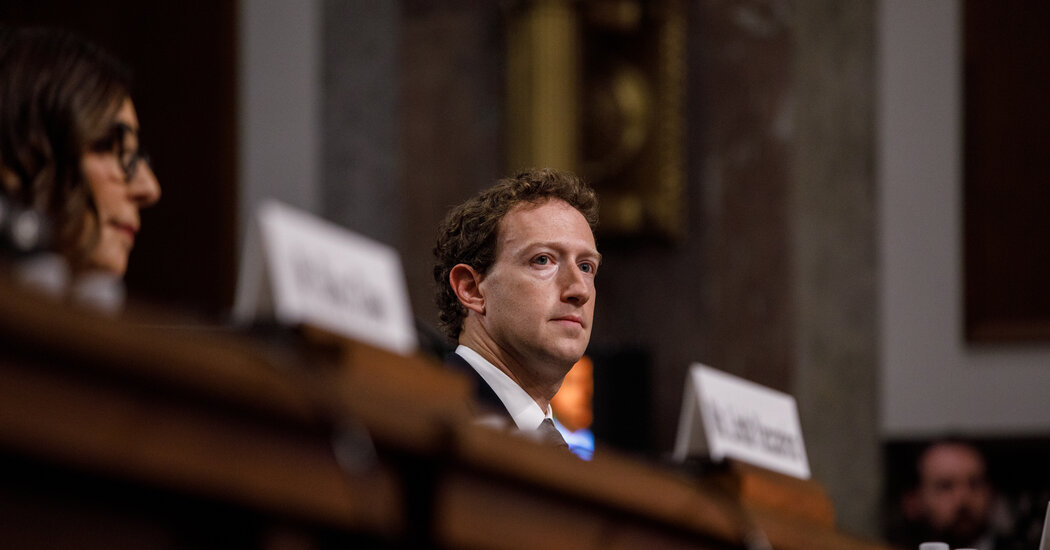
In June, Meta overhauled its AI efforts and put Alexandr Wang in charge of a team focused on developing so-called superintelligence. Then, in July, the company named a former OpenAI executive as its chief AI scientist. The arrangement reportedly caused tension over resources and control within the company.

As part of a restructuring of its AI efforts into four groups, first reported by The Information over the weekend, the company is now considering downsizing its AI division, which has ballooned to include thousands of people, according to The New York Times. That would include some AI executive exits as well as eliminating some roles and moving employees to other parts of the company, the Times said.

In its most recent earnings call, Meta said it expects employee compensation to be the second-largest driver of expense growth next year after capex.

Meta stock is down about 2% today, as large-cap tech stocks broadly tumble.

More Tech

See all Tech
tech

Report: Returns on Nvidia’s Omniverse business are underwhelming

Today in Las Vegas, Nvidia’s Jensen Huang will be taking the stage at the CES conference to show off his company’s latest innovations. If youve watched any of Huang’s impressive jargon-filled keynote speeches, you’ll notice that he gets extra animated when talking about “digital twins.”

Nvidia’s “Omniverse” platform allows companies to use Nvidia software and hardware to run large-scale simulations of factories and assembly lines.

The idea is that you can train your robots in Nvidia’s simulated environment, saving huge amounts of time and money. Huang is making a huge bet on this nascent product, and according to a new report, it isn’t exactly taking off.

The Information reports that much to Huang’s anger and frustration, the Omniverse offerings have yet to generate significant revenue.

According to the report, despite a long list of customers who Nvidia says are using Omniverse, some say the software is hard to use and fails to allow for simulating robot interactions with complex objects. The report also says Nvidia shuttered its Omniverse Cloud service in August of last year due to a lack of demand.

Nvidia has certainly successfully blazed trails into new categories before, but considering Huang’s enthusiasm for the Omniverse offerings, it is a rare stumble for the chip juggernaut.

The idea is that you can train your robots in Nvidia’s simulated environment, saving huge amounts of time and money. Huang is making a huge bet on this nascent product, and according to a new report, it isn’t exactly taking off.

The Information reports that much to Huang’s anger and frustration, the Omniverse offerings have yet to generate significant revenue.

According to the report, despite a long list of customers who Nvidia says are using Omniverse, some say the software is hard to use and fails to allow for simulating robot interactions with complex objects. The report also says Nvidia shuttered its Omniverse Cloud service in August of last year due to a lack of demand.

Nvidia has certainly successfully blazed trails into new categories before, but considering Huang’s enthusiasm for the Omniverse offerings, it is a rare stumble for the chip juggernaut.

tech

Amazon brings its ChatGPT-style assistant online

Today, Amazon expanded access to its ChatGPT-style AI assistant, Alexa+, making it available on the web via Alexa.com.

Previously, Alexa+, which launched early last year, had mostly been accessible through Amazon devices like Echo smart speakers, but the site allows a broader audience to use the assistant, much like rivals such as OpenAI’s ChatGPT and Google’s Gemini.

In a press release, Amazon said that to “truly serve as a personal assistant, Alexa+ needs to be available wherever they are — at home, on their phone, and now on the web.”

The stock is up more than 2% in early trading.

In a press release, Amazon said that to “truly serve as a personal assistant, Alexa+ needs to be available wherever they are — at home, on their phone, and now on the web.”

The stock is up more than 2% in early trading.

tech

Tesla is testing more Cybercabs

Tesla’s self-imposed deadline to remove safety drivers from its Austin Robotaxi service has come and gone — and just like you on this first Monday of the new year, the safety drivers are at work. But the EV giant seems to be pushing ahead with its next big thing in driverless cars instead:

Tesla is testing at least seven Cybercabs, the gold two-seated vehicle that looks like it’s from a concept drawing of the future, on public roads in Austin and the Bay Area, according to sightings compiled by Robotaxi Tracker. While two of those vehicles were spotted in Austin late last year, five more have appeared since the start of 2026, including the first two sightings in the Bay Area.

CEO Elon Musk has said Cybercab production is slated to begin in April, though a year-end Tesla recap video appeared to suggest production was already underway. Musk clarified that the company is currently testing the Cybercab “production system.”

Like Tesla’s current Robotaxis, the purpose-built Cybercabs may also fall short of true autonomy. The Cybercabs are also testing with safety drivers. And despite earlier plans, production models will likely still include steering wheels, mirrors, and pedals.

Tesla Light Show In Nanning

Tesla deliveries drop for second straight year; stock on pace to match longest losing streak ever

BYD outsold Tesla in battery electric vehicles for the first time in 2025.

tech
Rani Molla

Rather than fully cracking down on scam ads, Meta worked to make them harder to find

In its latest piece on Meta’s scam ads, Reuters found that the social media giant didn’t just remove fraudulent ads from its platforms — it also worked to make them harder for governments and journalists to find.

Fearing that Japanese regulators would require universal advertiser verification — a measure Meta estimated would cost roughly $2 billion to implement and potentially reduce its revenue by nearly 5% — the company took steps to make scam ads less “discoverable” to “regulators, investigators and journalists,” according to internal documents reviewed by Reuters.

“So successful was the search-result cleanup that Meta, the documents show, added the tactic to a ‘general global playbook’ it has deployed against regulatory scrutiny in other markets, including the United States, Europe, India, Australia, Brazil and Thailand,” Reuters wrote.

Previous Reuters reporting found Meta internally projected that about 10% of its 2024 revenue would come from ads tied to scams and banned goods, though the company later said that estimate was overly broad. Reuters also reported the rate was double in China.

“So successful was the search-result cleanup that Meta, the documents show, added the tactic to a ‘general global playbook’ it has deployed against regulatory scrutiny in other markets, including the United States, Europe, India, Australia, Brazil and Thailand,” Reuters wrote.

Previous Reuters reporting found Meta internally projected that about 10% of its 2024 revenue would come from ads tied to scams and banned goods, though the company later said that estimate was overly broad. Reuters also reported the rate was double in China.

Latest Stories

Sherwood Media, LLC produces fresh and unique perspectives on topical financial news and is a fully owned subsidiary of Robinhood Markets, Inc., and any views expressed here do not necessarily reflect the views of any other Robinhood affiliate, including Robinhood Markets, Inc., Robinhood Financial LLC, Robinhood Securities, LLC, Robinhood Crypto, LLC, or Robinhood Money, LLC.