

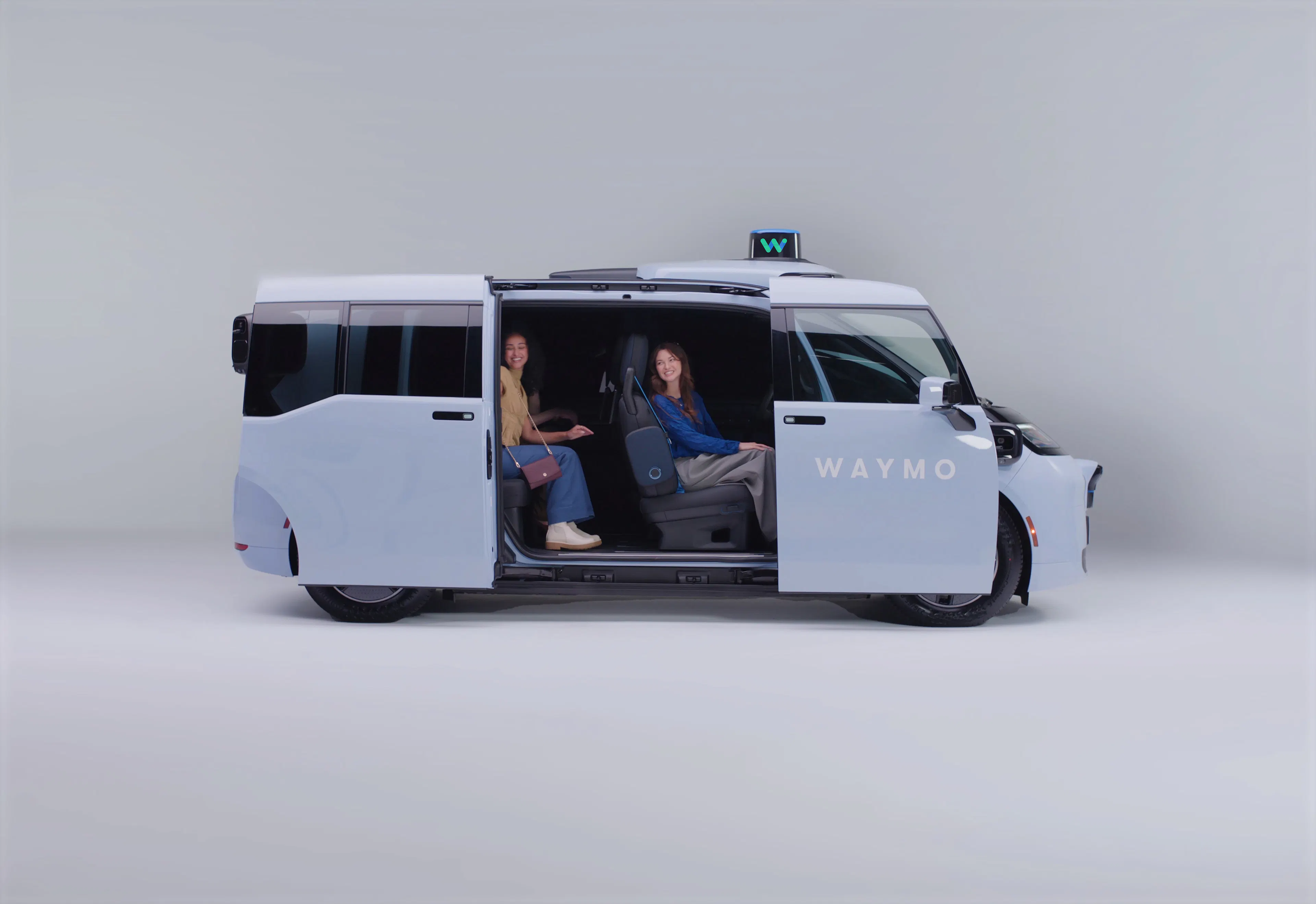
Waymo to launch free robotaxi rides in its new Ojai vans
The new vehicles are less expensive — which is important for the service to really scale.
Alphabet subsidiary Waymo says in June it’s going to begin offering “select riders” in San Francisco, Los Angeles, and Phoenix trips in its new Ojai vans, pronounced “oh-hi.” At the start, those rides will be free as the company gathers rider feedback.
Incorporating an initial 100 Ojai vehicles into its autonomous commercial fleet is a first step toward deploying “tens of thousands of units annually” from its Arizona factory. There, working in partnership with vehicle builder Magna, the company takes purpose-built vehicle shells and integrates its proprietary self-driving tech. The plant is starting with assembling and commissioning the Ojai vans and plans to add the Hyundai IONIQ 5 into the mix later.
The four-seater Ojai will debut the company’s sixth-generation Waymo Driver. The tech is both more powerful — it can drive in snowier conditions than the existing fleet — and, importantly, cheaper than the tech powering Waymo’s 3,000-plus fleet of Jaguar I-PACEs in 11 markets. “This latest system serves as the primary engine for our next era of expansion, with a streamlined configuration that drives down costs while maintaining our uncompromising safety standards,” the company wrote of the tech earlier this year.
It’s also operating on top of a less expensive vehicle to begin with: the Zeekr-made van likely costs around $38,000 versus $75,000 for the Jaguar.
Waymo wouldn’t provide an estimate for the total cost of the vehicle and its autonomous add-ons, but based on previous Morgan Stanley estimates, the Ojai could cost around $125,000, whereas the fifth-generation I-PACE was closer to $200,000. Investor and Future Fund managing partner Gary Black has penciled in the fully equipped Ojai at a breezy $75,000.
Faster and cheaper autonomous vehicle assembly is essential for Waymo to expand into its planned 20-plus markets.
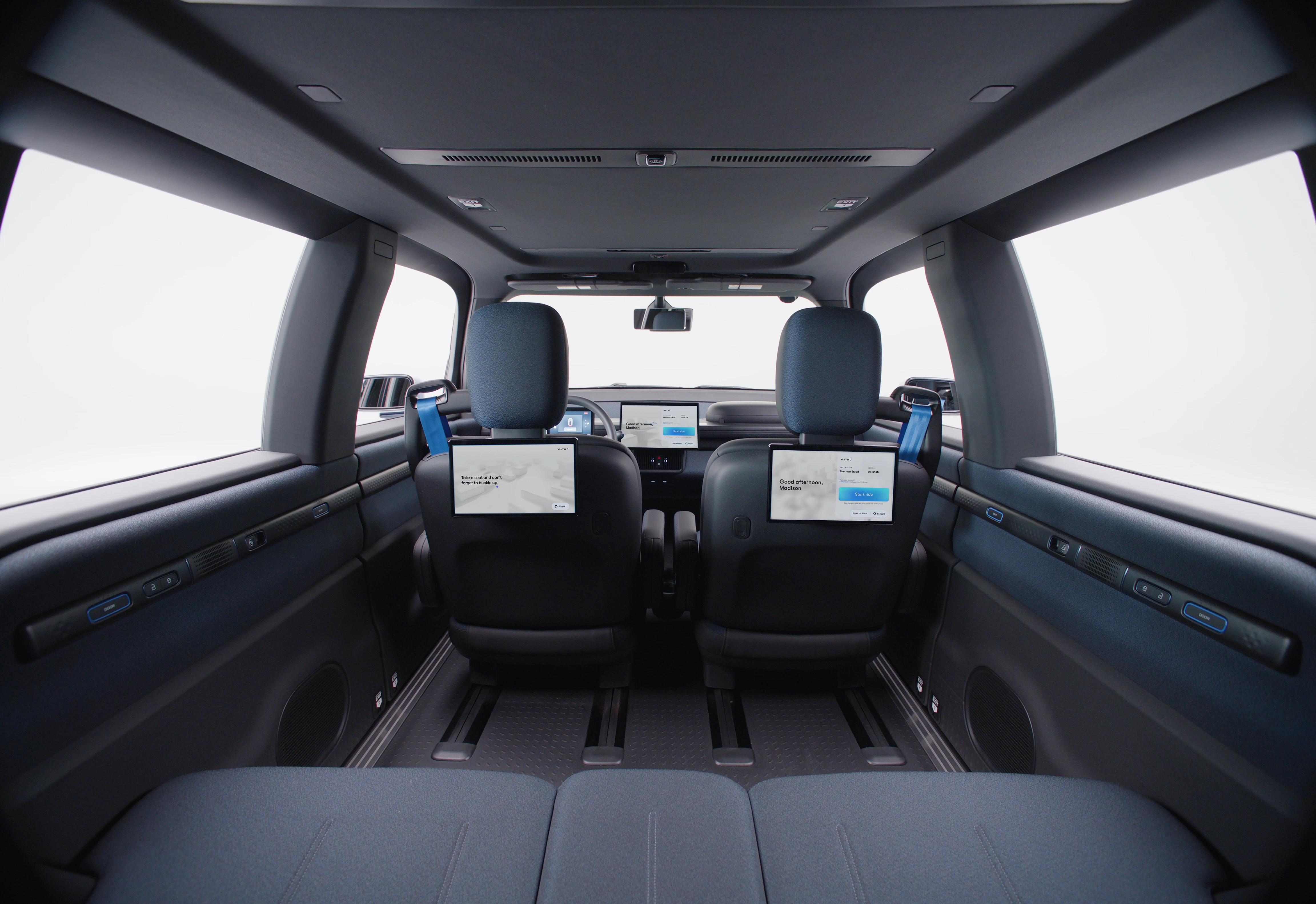
Like its existing fleet — and unlike Amazon’s Zoox — the Ojai has a steering wheel and pedals, though it’s being configured to operate without those in the future, according to a Waymo spokesperson. The Ojai seats up to four people and has more legroom than the I-PACE. It also has three screens, a number of charging ports, and is easier to clean.
If Waymo can successfully scale these cheaper vans, it could secure an even bigger lead in the robotaxi race with Tesla. While the latter’s vehicles are less expensive, only around 30 are actively operating without a driver across three markets.




