Tech
tech
Rani Molla

Meta is the latest AI company to debut its own AI chip

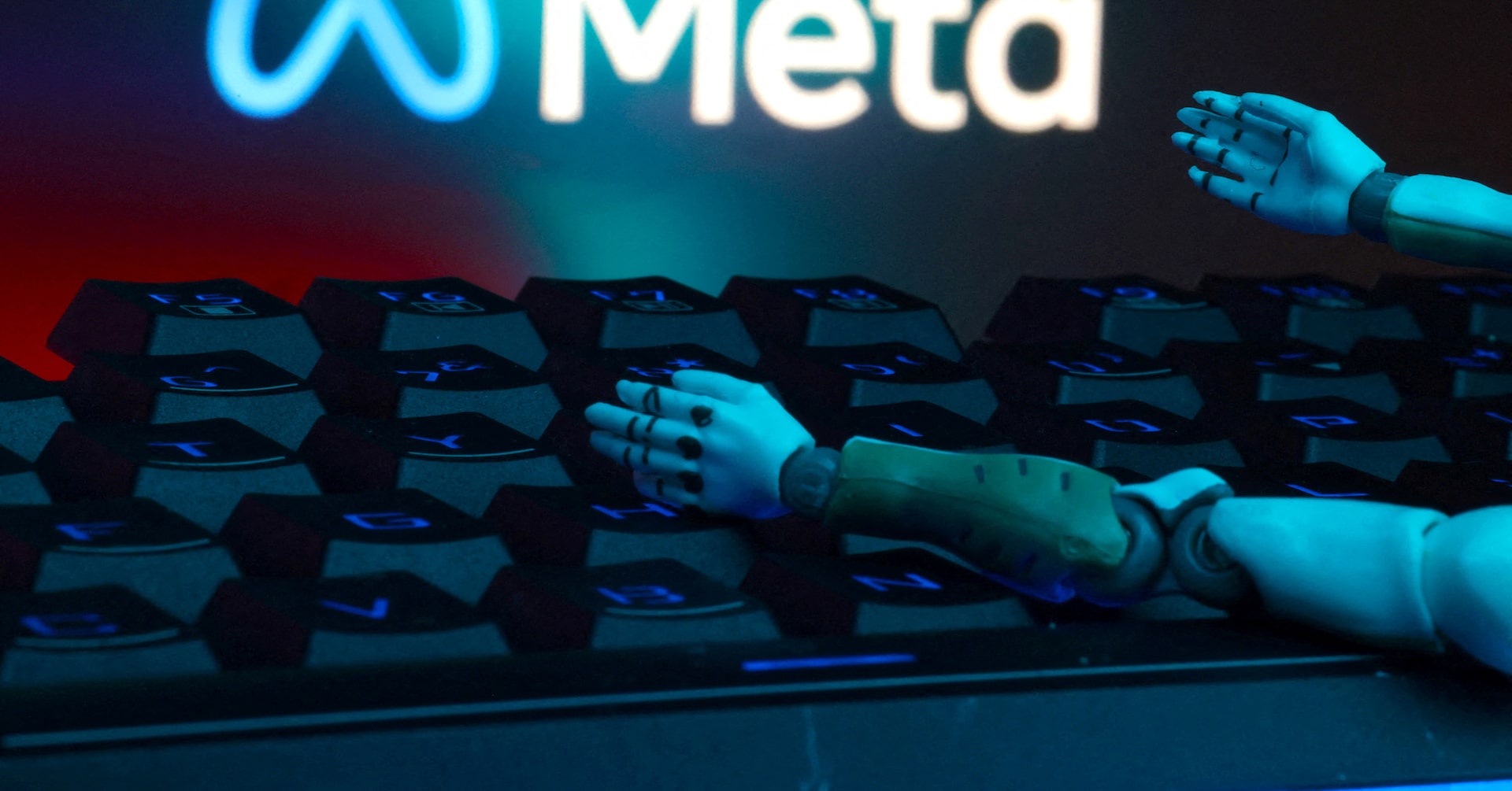
Another day, another AI company rolls out its own AI chip. Today, it’s news of Meta testing its first AI chip, a move that would reduce its reliance on Nvidia and lower its mammoth AI infrastructure costs. Depending on how tests go, the company could ramp up production for wide-scale use. The other day it was Alibaba, which launched its own open-source AI chip, a move that could help the company and its clients bypass US trade restrictions and provide an alternative to chips made by companies like Intel.

More Tech

See all Tech
25%

Apple manufactured 55 million iPhones — about 25% of its global production — in India last year, Bloomberg reports. That’s up from about 36 million in 2024, as the company has been trying to decrease reliance and avoid tariffs on China.

That share would put the iPhone maker ahead of Wall Street’s schedule. At the start of 2025, analysts predicted Apple’s iPhone production in India would reach 25% by 2027.

“The vast majority of the iPhones sold in the US or the majority, I should say, have a country of origin of India,” said Apple CEO Tim Cook during the company’s fiscal Q3 2025 earnings call.

tech

“Tesla killer” Slate Auto switches CEOs ahead of launch later this year

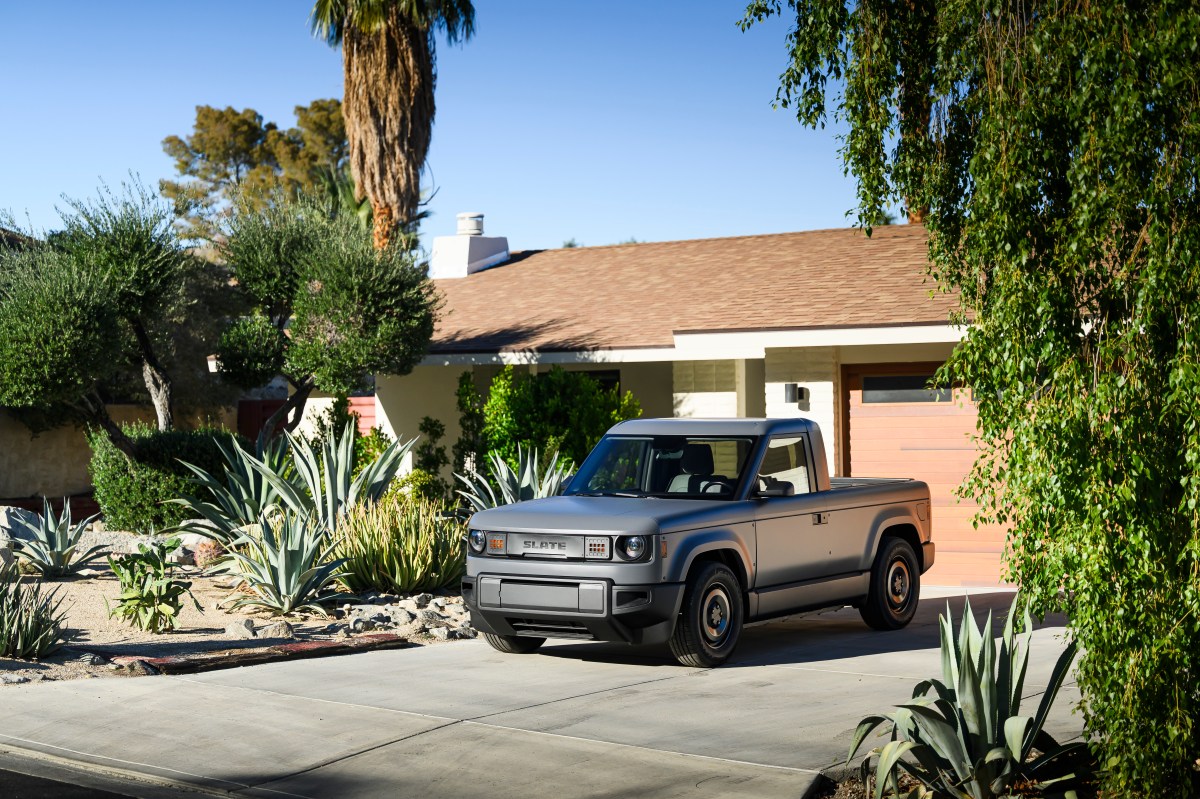
Just months before the expected launch of its $25,000 truck, so-called Tesla killer Slate Auto has swapped out its CEO. Former Amazon Marketplace Vice President Peter Faricy is the new leader of the Jeff Bezos-backed company, while the previous CEO, Chris Barman, one of the electric truck maker’s first employees, is now president of vehicles.

“ The marketplace component is really important to us. Being able to understand how to sell things in the 21st century is really important because we're gonna be direct to consumer, without dealerships,” Jeff Jablansky, head of communications at Slate, said of the change.  “The way Chris put it is, we are adding horsepower at a critical moment when people are going to be able to actually order their trucks.”

In a social media post just last month, then CEO Barman said the company would unveil the exact price tag for its Blank Slate, which goes on sale late in 2026, in June, but reaffirmed it will be in the mid-$20,000s.

“ The marketplace component is really important to us. Being able to understand how to sell things in the 21st century is really important because we're gonna be direct to consumer, without dealerships,” Jeff Jablansky, head of communications at Slate, said of the change.  “The way Chris put it is, we are adding horsepower at a critical moment when people are going to be able to actually order their trucks.”

In a social media post just last month, then CEO Barman said the company would unveil the exact price tag for its Blank Slate, which goes on sale late in 2026, in June, but reaffirmed it will be in the mid-$20,000s.

tech

Amazon’s autonomous ride-hailing service now testing in 10 markets

Amazon self-driving subsidiary Zoox announced Monday that it’s testing in two additional markets, Phoenix and Dallas, bringing its total to 10 US markets. The company will begin by mapping select neighborhoods using retrofitted Toyota Highlander SUVs with safety drivers behind the wheel, before progressing to autonomous testing and eventually rolling out its steering-wheel-less, purpose-built vehicles for public users.

The service is currently available to the public in Las Vegas and to select users in the Bay Area, where it’s served 300,000 riders.

Zoox is also opening a third “Fusion Center” facility, in Arizona after Las Vegas and the Bay Area, from which it will provide assistance and coordinate operations for its fleet.

Zoox’s expansion comes as Alphabet’s Waymo recently reached its 10th public market and as Tesla’s Robotaxi says it plans to open in six new markets in the first half of the year.

The service is currently available to the public in Las Vegas and to select users in the Bay Area, where it’s served 300,000 riders.

Zoox is also opening a third “Fusion Center” facility, in Arizona after Las Vegas and the Bay Area, from which it will provide assistance and coordinate operations for its fleet.

Zoox’s expansion comes as Alphabet’s Waymo recently reached its 10th public market and as Tesla’s Robotaxi says it plans to open in six new markets in the first half of the year.

tech

Microsoft will use Anthropic’s Claude to power “Copilot Cowork”

Microsoft is partnering with Anthropic to power its new agentic offering, Copilot Cowork. The AI world is abuzz with agents that can do your busywork for you, and Anthropic’s Claude Cowork is one of the most prominent and capable offerings in the field.

The tech giant wrote:

“Working closely with Anthropic, we have integrated the technology behind Claude Cowork into Microsoft 365 Copilot. It is this multi-model advantage that makes Copilot different. Your work is not limited by one brand of models.”

Microsoft listed some examples of how Copilot Cowork could help with common tasks such as rescheduling meetings, sending emails, researching companies, working with spreadsheets, and making presentations.

It’s worth stepping back to note how wild it is that Microsoft, the productivity software behemoth that has absolutely dominated the business world for decades, has had to turn to an AI startup to control those apps.

“Working closely with Anthropic, we have integrated the technology behind Claude Cowork into Microsoft 365 Copilot. It is this multi-model advantage that makes Copilot different. Your work is not limited by one brand of models.”

Microsoft listed some examples of how Copilot Cowork could help with common tasks such as rescheduling meetings, sending emails, researching companies, working with spreadsheets, and making presentations.

It’s worth stepping back to note how wild it is that Microsoft, the productivity software behemoth that has absolutely dominated the business world for decades, has had to turn to an AI startup to control those apps.

tech

China’s smartphone slump could strengthen Apple

China smartphone shipments fell 22% year over year in January, according to a new Bernstein research note. The drop was partly due to the timing of Lunar New Year and tough comparisons with last year, when government subsidies boosted sales, but rising memory costs are also weighing on demand — especially in the lower-end segment dominated by Chinese brands.

Low-tier shipments fell 37%, hitting brands like Honor and Vivo particularly hard, while high-end sales from Apple and Huawei held up better. Overall average selling prices rose 13%.

That could be good news for Apple, which sits at the more price-insulated upper end of the Chinese market and has been making a comeback in the country. Apple’s market share grew to 18% in January — in line with Huawei — from 14% a year earlier, while the rest of the market fell 2 percentage points to 65%.

With its scale and industry-leading margins, the iPhone maker is better positioned to absorb higher memory costs. To wit: it recently unveiled the $599 iPhone 17e, which keeps its entry price steady with its predecessor while doubling storage.

Latest Stories

Sherwood Media, LLC produces fresh and unique perspectives on topical financial news and is a fully owned subsidiary of Robinhood Markets, Inc., and any views expressed here do not necessarily reflect the views of any other Robinhood affiliate, including Robinhood Markets, Inc., Robinhood Financial LLC, Robinhood Securities, LLC, Robinhood Crypto, LLC, or Robinhood Money, LLC.