How Nebius emerged from Russia and became one of Nvidia’s top-performing investments
The small Amsterdam-based AI data center startup rose from the ashes of a Russian tech giant.
Nvidia’s investment in AI cloud computing startup (and customer) CoreWeave is turning out to be quite a smart move for the company. CoreWeave’s shares have been on a tear since its IPO in March — almost 300%. Nvidia, whose GPUs fill CoreWeave’s data centers, stepped in to shore up that IPO and now owns about 7% of the company, a stake worth $3.7 billion.
The CoreWeave investment is Nvidia’s largest disclosed holding by far (excluding investments by NVentures, Nvidia’s venture capital arm), but it isn’t the only data center business Nvidia’s invested in that’s showing big gains.
From the ashes of Yandex
The next best performer in Nvidia’s holdings is AI cloud computing company Nebius. Since the end of Q1, the value of Nvidia’s Nebius holdings has risen about 140%. While the $60 million stake is much, much smaller than Nvidia’s stake in CoreWeave, Nebius is not like other startups. The company has an interesting history that’s led it to become a rising competitor in building out AI computing infrastructure.
Nebius emerged from the Russian tech giant Yandex.
Founded in 1997, Yandex — which essentially became Russia’s Google, Uber, Spotify, and PayPal all rolled into one — made a splash back in 2011 with its $1.3 billion IPO, which at the time was the largest tech IPO since Google’s in 2004. Fast-forward to 2022, when Russia’s invasion of Ukraine led to the company’s stock being suspended from trading on Nasdaq due to EU sanctions.

Nebius’ founder and CEO is Arkady Volozh. Based in Tel Aviv, Israel, the executive was also the cofounder and CEO of Yandex. Volozh found himself subject to EU sanctions after the war began, but they were lifted in March 2024 after Volozh moved hundreds of engineers out of Russia and publicly disavowed the Russian invasion, calling it “barbaric” but also saying, “Although I moved to Israel in 2014, I have to take my share of responsibility for the country’s actions.”
Last July, Yandex NV (based in Amsterdam) officially sold off its Russian holdings to a group of Russian investors for $5.4 billion (to continue operating as Yandex inside Russia), the largest corporate exit from Russia since the war began. The remaining business renamed itself Nebius Group. In October, the Nasdaq allowed trading of the rebranded company.
The company sought to rebuild itself around the four businesses in the Nebius Group holding company:
Nebius, the core business with a focus on AI cloud computing infrastructure, powered by “hundreds of thousands of GPUs”
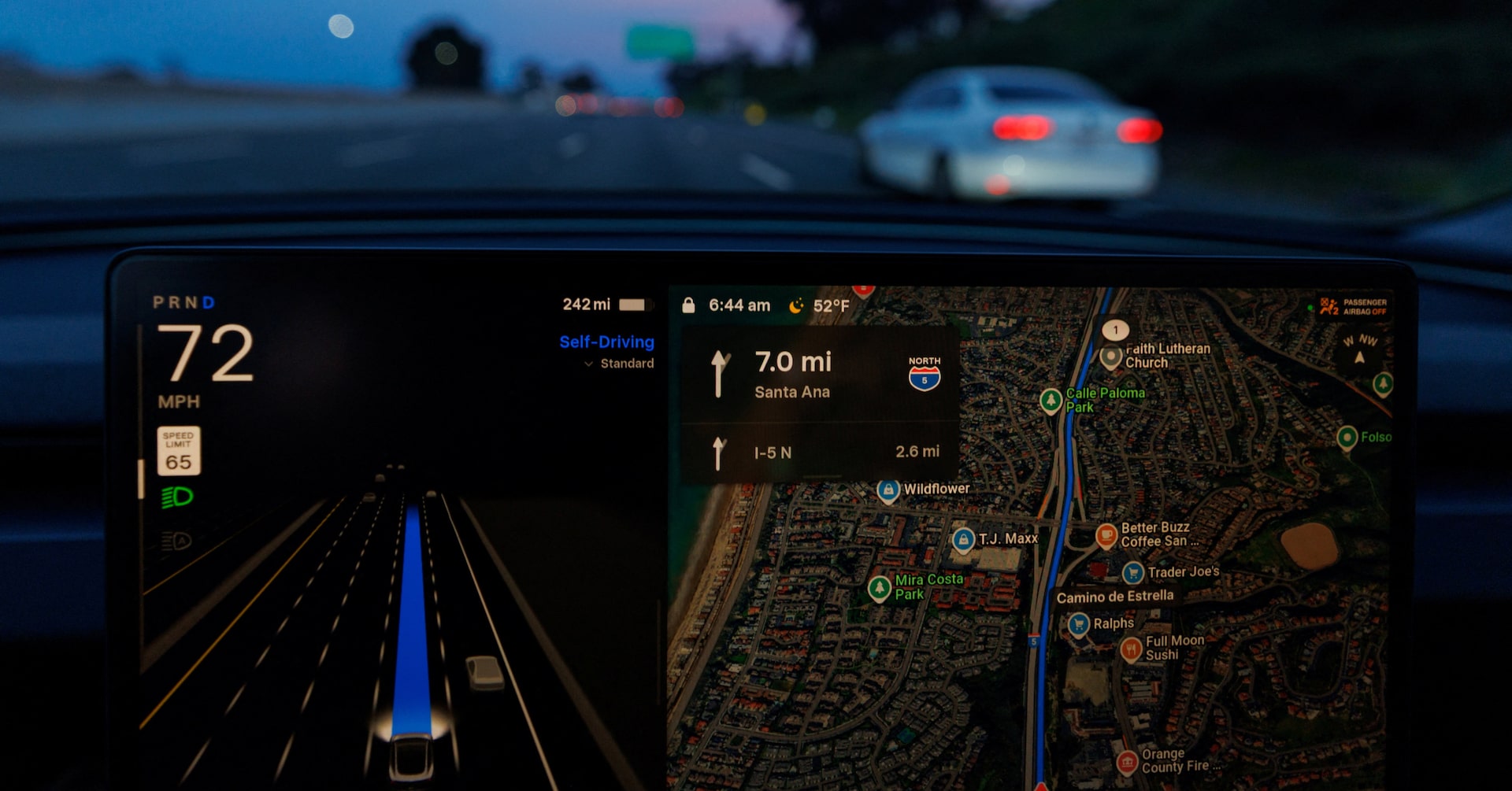
AVRide, an autonomous vehicle and robotics company
Toloka AI, a data training company backed by Shopify CTO Mikhail Pakakhin and Amazon founder Jeff Bezos’ Bezos Expeditions
TripleTen, an educational technology company that helps people develop the skills to work in the technology sector
In an SEC filing this February, Nvidia disclosed its investment in Nebius, worth about $33 million by the end of Q4 2024, but is up 140% since Q1 2025. Like fellow Nvidia investee CoreWeave, the close relationship with the chip giant lets Nebius offer early access to the latest and greatest GPUs.
Sovereign AI
Nebius is looking to position itself to serve the growing market for sovereign AI, especially in Europe, which is seeing a flurry of AI infrastructure activity. Last week, Nvidia CEO Jensen Huang was in Paris, where he highlighted Nebius as one of Nvidia’s partners building AI cloud infrastructure in Europe. Last week, Nebius also announced its entrance to the UK market and that it would be among the first to offer Nvidia’s latest Blackwell GPUs in Europe.
In May, the Israel Innovation Authority announced that Nebius had been selected to build and run a “16,000 petaflop” national AI supercomputer for the country, utilizing 4,000 Nvidia Blackwell GPUs. Volozh is an Israeli citizen, and moved to the country in 2014 after Russia first invaded Crimea. The supercomputer will be used to develop “national AI models” and for research.
Nebius currently has a market cap of $12 billion, and revenue for Q1 was up 385% year over year to $55.3 million, with adjusted net losses of $92.5 million. The company spent $544 million on capital expenditures in Q1 as it continues to invest in pricey GPUs for its AI data center business. Today, Nebius has data centers in Iceland, Finland, France, Missouri, and a new facility under construction in New Jersey.
In a Q1 2025 letter to investors, Volozh wrote:
“Delivering on our rapid growth plans will continue to require considerable investment. In this respect, we have been in a uniquely favorable position to fund our growth since we formally launched Nebius last July. We started with a significant amount of capital — $2.5 billion from our divestment — and raised an additional $700 million from top tier investors in December, giving us more than $3 billion in cash. This has enabled us to quickly build and scale our AI cloud business.”
It remains to be seen if Nebius will follow the same meteoric rise as CoreWeave. But the close partnership with Nvidia gives Nebius a similar advantage to get early access to Nvidia’s latest and most powerful GPUs.
Correction (June 17 2025): In an earlier version of this article, we said Nebius was Nvidia’s second-biggest investment when it is Nvidia’s second-fastest-growing investment.