Tech
Content is king: Netflix is spending big cash on content again

Content is king: Netflix is spending big cash on content again

Streaming wars, episode 317

This week's episode of the streaming wars has been an eventful one. CNN announced a streaming service (?), Netflix paid almost $700m to acquire the works of Roald Dahl and Disney announced that its streaming subscriber growth was likely to slowdown this year.

A golden ticket

The most notable of those headlines is almost certainly the £500m ($680m) that Netflix spent to acquire the works of Roald Dahl — the author behind books such as Matilda, Charlie & The Chocolate Factory, Fantastic Mr. Fox and many others.

Spending the best part of $700m for creative control of Dahl's works is a huge bet, even for a streaming giant like Netflix. That number doesn't include any future production costs of actually making the shows, movies or merchandise — confirming that Netflix is looking to ramp its content spending back up, after a lull during the pandemic. In its most recent quarter Netflix spent more than $4bn in cash on content assets, close to its quarterly record from 2019.

Handing over the money is, of course, the easy bit. Getting good value for every dollar spent on content is the hard part — even if you have access to the viewing habit data of more than 200 million subscribers, as Netflix does.

If your family owns the rights to some popular characters or stories, you might want to give Netflix / Disney / Amazon / Apple a call.


More Tech

See all Tech
tech
Jon Keegan

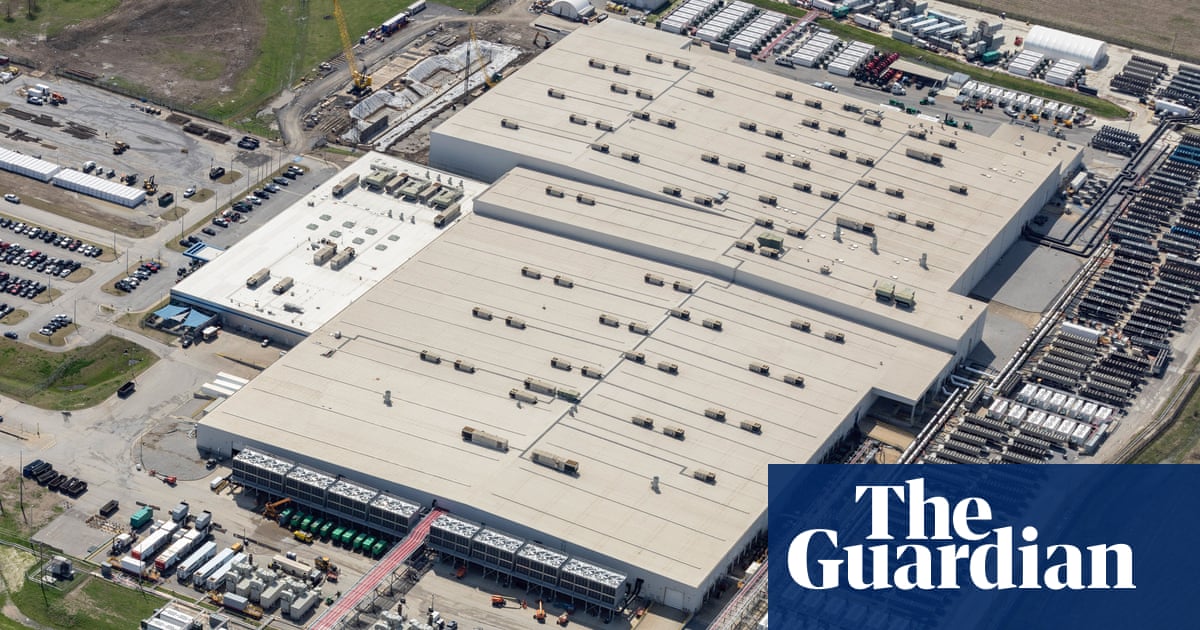
EPA: xAI’s Colossus data center illegally used gas turbines without permits

The Environmental Protection Agency has ruled that xAI violated the law when it used dozens of portable gas generators for its Colossus 1 data center without air quality permits.

When xAI set out to build Colossus 1 in Memphis, Tennessee, CEO Elon Musk wanted to move with unprecedented speed, avoiding all of the red tape that could slow such a big project down.

To power the 1-gigawatt data center, Musk took advantage of a local loophole that allowed portable gas generators to be used without any permits, as long as they did not spend more than 364 days in the same spot. That allowed xAI to bring in dozens of truck-sized gas generators to quickly supply the massive amount of power the data center needed to train xAI’s Grok model.

The new EPA rule says the use of such portable generators falls under federal regulation, and the company did need air quality permits to operate the turbines. xAI is also using dozens of such generators to power its Colossus 2 data center just over the border in Alabama.

To power the 1-gigawatt data center, Musk took advantage of a local loophole that allowed portable gas generators to be used without any permits, as long as they did not spend more than 364 days in the same spot. That allowed xAI to bring in dozens of truck-sized gas generators to quickly supply the massive amount of power the data center needed to train xAI’s Grok model.

The new EPA rule says the use of such portable generators falls under federal regulation, and the company did need air quality permits to operate the turbines. xAI is also using dozens of such generators to power its Colossus 2 data center just over the border in Alabama.

tech
Rani Molla

Trump to push Big Tech to fund new power plants as AI drives up electricity costs

President Donald Trump is expected to announce a plan Friday morning that would require Big Tech companies to bid on 15-year contracts for new electricity generation capacity. The move would effectively force companies to help fund new power plants in the PJM region as soaring demand from AI data centers pushes up electricity costs across the US power grid.

Earlier this week, Trump called on tech giants to “pay their own way,” arguing that households and small businesses should not bear the cost of power infrastructure needed to support energy-hungry data centers.

Microsoft quickly responded, saying it would “pay utility rates that are high enough to cover our electricity costs,” along with committing to other changes aimed at easing pressure on the grid. Other major tech companies are expected to follow suit, though Wedbush Securities analyst Dan Ives warned the added costs could slow the pace of data center build-outs.

As we’ve noted, forcing tech companies to shoulder higher electricity costs is likely to hit some firms harder than others. Companies like Microsoft, Google, and Amazon can pass at least some of those costs on to customers by selling data center capacity downstream. Meta, in contrast, does not have a cloud business, meaning its AI ambitions lack a direct revenue stream to offset rising power costs.

So far tech stocks don’t appear to be affected much in premarket trading. However utility companies most levered to the AI boom certainly are, with Vistra, Constellation Energy, and Talen Energy deep in the red ahead of the open as analysts at Jefferies warn that these firms face risks from this plan.

Earlier this week, Trump called on tech giants to “pay their own way,” arguing that households and small businesses should not bear the cost of power infrastructure needed to support energy-hungry data centers.

Microsoft quickly responded, saying it would “pay utility rates that are high enough to cover our electricity costs,” along with committing to other changes aimed at easing pressure on the grid. Other major tech companies are expected to follow suit, though Wedbush Securities analyst Dan Ives warned the added costs could slow the pace of data center build-outs.

As we’ve noted, forcing tech companies to shoulder higher electricity costs is likely to hit some firms harder than others. Companies like Microsoft, Google, and Amazon can pass at least some of those costs on to customers by selling data center capacity downstream. Meta, in contrast, does not have a cloud business, meaning its AI ambitions lack a direct revenue stream to offset rising power costs.

So far tech stocks don’t appear to be affected much in premarket trading. However utility companies most levered to the AI boom certainly are, with Vistra, Constellation Energy, and Talen Energy deep in the red ahead of the open as analysts at Jefferies warn that these firms face risks from this plan.

tech
Jon Keegan

OpenAI working to build a US supply chain for its hardware plans, including robots

When OpenAI purchased Jony Ive’s I/O, it entered the hardware business. The company is currently ramping up to produce a mysterious AI-powered gadget.

But OpenAI plans on making more than just consumer gadgets — it also plans on making data center hardware, and even robots.

Bloomberg reports that OpenAI has been on the hunt for US-based suppliers for silicon and motors for robotics, as well as cooling systems for data centers.

AI companies are looking toward robots as a logical next step for finding applications for their models.

OpenAI told Bloomberg that US companies building the AI brains of robots might have an edge against the Chinese hardware manufacturers that are currently making some impressive humanoid robots.

Bloomberg reports that OpenAI has been on the hunt for US-based suppliers for silicon and motors for robotics, as well as cooling systems for data centers.

AI companies are looking toward robots as a logical next step for finding applications for their models.

OpenAI told Bloomberg that US companies building the AI brains of robots might have an edge against the Chinese hardware manufacturers that are currently making some impressive humanoid robots.

Latest Stories

Sherwood Media, LLC produces fresh and unique perspectives on topical financial news and is a fully owned subsidiary of Robinhood Markets, Inc., and any views expressed here do not necessarily reflect the views of any other Robinhood affiliate, including Robinhood Markets, Inc., Robinhood Financial LLC, Robinhood Securities, LLC, Robinhood Crypto, LLC, or Robinhood Money, LLC.